

Back pain is a reality for countless people, from busy small business owners to developers and everyday residents. Whether you spend your days at a desk, on your feet, or juggling multiple roles, back pain can disrupt your productivity, mood, and quality of life. If you’re searching for effective back pain relief Rochester Hills MI residents trust, spinal decompression therapy is an option worth exploring. This non-surgical approach targets the root causes of pain, offering hope to those who have tried other treatments with limited success. In this article, we’ll take a deep dive into what spinal decompression is, how it works, who it helps, and what you can expect from the process. Whether you’re new to chiropractic care or simply seeking a fresh perspective on back pain solutions, you’ll find practical insights and actionable information to help you make informed decisions about your health and comfort.
Understanding Spinal Decompression Therapy
Spinal decompression therapy is a specialized, non-invasive treatment designed to relieve pressure on the spinal discs and nerves. Unlike surgery, which involves incisions and significant recovery time, decompression uses gentle, controlled traction to stretch the spine. This process creates negative pressure within the discs, encouraging the retraction of bulging material and promoting the flow of oxygen, water, and nutrients into the affected areas. The goal is to foster an environment where healing can occur naturally, reducing pain and improving mobility.
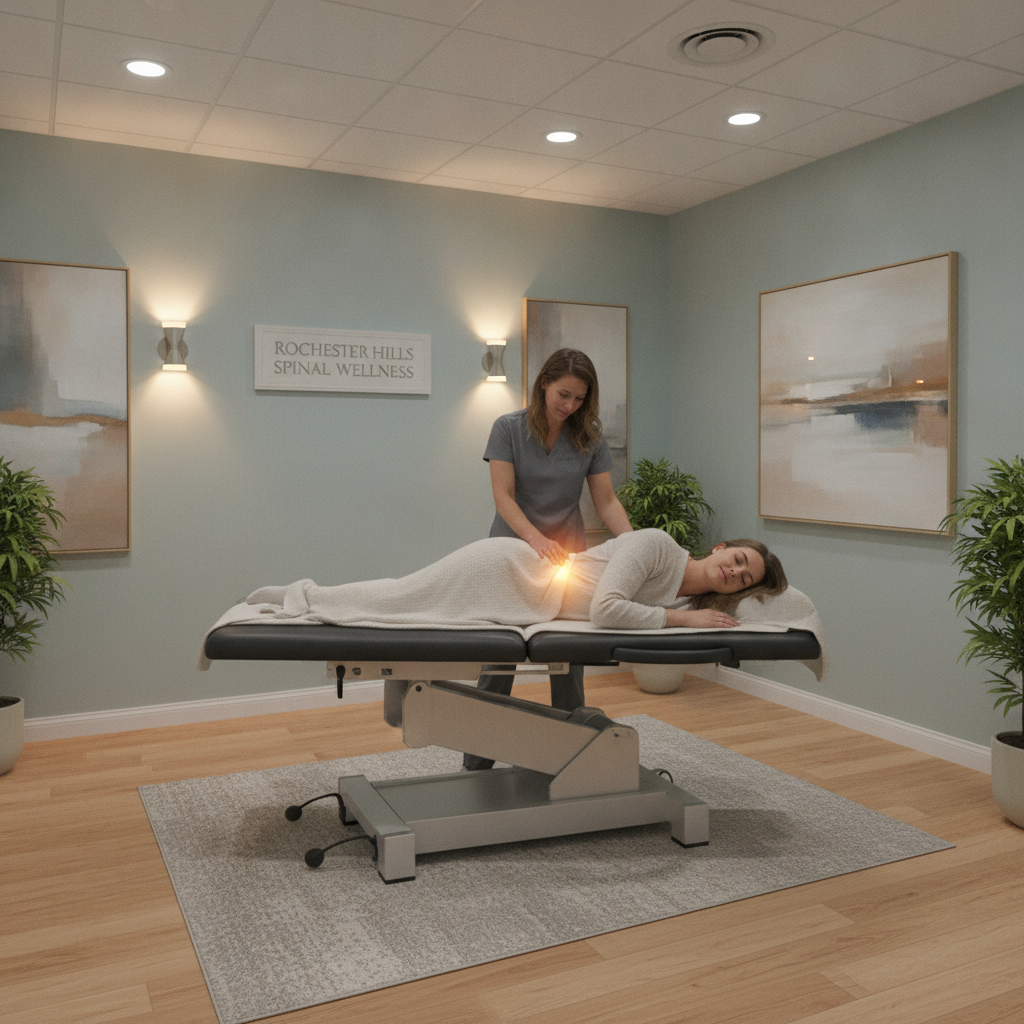
The therapy is typically performed on a motorized table, with patients comfortably secured. Sessions are usually painless, and many people find them relaxing. Spinal decompression is often recommended for those with herniated discs, degenerative disc disease, sciatica, or chronic lower back pain. By targeting the underlying causes of discomfort, it offers an alternative to medication and surgery for many individuals.
If you’re considering this therapy, it’s important to work with experienced professionals like Delta Chiropractic, who can tailor the approach to your unique needs. The right provider will conduct a thorough assessment to determine if decompression is appropriate for your situation, ensuring your safety and maximizing your chances of success.
How Spinal Decompression Targets the Source of Pain
Chronic back pain can stem from a variety of issues, but compressed or damaged spinal discs are among the most common culprits. These discs act as shock absorbers between the vertebrae, and when they become herniated or degenerate, they can press on nearby nerves, triggering pain, tingling, or numbness. Traditional treatments often focus on masking symptoms, but spinal decompression therapy aims to address the root problem by relieving the pressure that causes discomfort in the first place.
During a decompression session, the spine is gently stretched and relaxed in cycles. This rhythmic motion helps create a vacuum effect within the disc, drawing bulging or protruding material back into place. As the pressure on nerves decreases, many patients experience a reduction in pain and an improvement in their ability to move freely. Over time, repeated sessions can help restore disc health and support the body’s natural healing processes.
For those interested in how daily behaviors can impact spinal health, the article Daily Habits That Can Aggravate Sciatica Symptoms for Rochester Hills Patients provides valuable insights into what to avoid and how to support your recovery outside the clinic.
Who Can Benefit Most from Spinal Decompression?
Spinal decompression isn’t a one-size-fits-all solution, but it has proven effective for a wide range of people. Those who spend long hours sitting at a desk, lifting heavy objects, or experiencing repetitive strain are often prime candidates. The therapy is especially helpful for individuals with conditions such as herniated or bulging discs, degenerative disc disease, sciatica, and facet syndrome. It can also provide relief for those with chronic lower back pain that hasn’t responded well to other treatments.
However, not everyone is suited for decompression therapy. People with severe osteoporosis, spinal fractures, tumors, or certain surgical implants may need to explore alternative options. A thorough evaluation by a qualified provider is essential to determine eligibility and ensure safety. For those dealing with sciatica or herniated discs specifically, the resource Sciatica and Herniated Discs: Treatment Options Available in Rochester Hills, MI offers a comprehensive look at available therapies and what to expect during recovery.
Ultimately, the best candidates for spinal decompression are individuals seeking a non-surgical, drug-free approach to managing their back pain. Whether you’re a business owner, developer, or simply someone looking for lasting relief, this therapy could be a game changer for your daily comfort and function.
The Science Behind Spinal Decompression
Spinal decompression therapy is grounded in biomechanical principles and supported by a growing body of research. The technique leverages the concept of negative intradiscal pressure, which helps retract herniated disc material and encourages the influx of essential nutrients. This process not only relieves nerve compression but also creates a more favorable environment for disc healing.
Clinical studies have shown that patients who undergo decompression therapy often report significant reductions in pain and improvements in mobility. The gentle stretching of the spine can also enhance flexibility, reduce muscle tension, and improve posture. While results vary from person to person, many individuals experience noticeable relief after just a few sessions, with continued progress over the course of treatment.
For those interested in the technical details, decompression tables are designed to apply precise, computer-controlled forces to the spine. This allows for customized treatment plans that take into account each patient’s unique anatomy and condition. By combining advanced technology with a deep understanding of spinal mechanics, providers can deliver safe and effective care tailored to individual needs.
What to Expect During Your First Decompression Session
If you’re considering spinal decompression for the first time, it’s natural to have questions about what the experience will be like. Most sessions begin with a thorough assessment, where your provider will review your medical history, discuss your symptoms, and perform any necessary imaging or physical exams. This helps ensure that decompression is appropriate for your condition and allows for the development of a personalized treatment plan.
During the session itself, you’ll be comfortably positioned on a specialized table, with harnesses or supports placed around your pelvis and trunk. The table then gently moves to stretch and relax your spine in controlled cycles. Most people find the process painless, and some even describe it as soothing. Sessions typically last between 20 and 45 minutes, depending on your needs and the provider’s recommendations.
After the session, you may feel a sense of relief or increased mobility, though some mild soreness is possible as your body adjusts. Your provider will likely recommend a series of sessions for optimal results, along with complementary therapies such as stretching, strengthening exercises, or ergonomic adjustments to support your recovery.
Comparing Spinal Decompression to Other Back Pain Treatments
When it comes to managing back pain, there are many options available, from medication and physical therapy to surgery and alternative therapies. Spinal decompression stands out for its non-invasive approach and focus on addressing the underlying causes of discomfort. Unlike painkillers, which only mask symptoms, or surgery, which carries risks and lengthy recovery times, decompression offers a middle ground that can be effective for many people.
Physical therapy and chiropractic adjustments are also popular choices, often used in conjunction with decompression to maximize results. While massage therapy can help relieve muscle tension, it may not address disc issues directly. Each treatment has its strengths and limitations, and the best approach depends on your specific condition, goals, and preferences.
Here’s a comparison of common back pain treatments to help you understand the differences:
| Treatment | Invasiveness | Addresses Root Cause | Recovery Time |
|---|---|---|---|
| Spinal Decompression | Non-invasive | Yes | Minimal |
| Medication | Non-invasive | No | None |
| Physical Therapy | Non-invasive | Partially | Minimal |
| Surgery | Invasive | Yes | Weeks to months |
| Massage Therapy | Non-invasive | No | None |
As you can see, spinal decompression offers a unique blend of non-invasiveness and root-cause targeting, making it a compelling choice for many seeking lasting relief.
Realistic Expectations and Potential Outcomes
While spinal decompression can deliver remarkable results for some, it’s important to maintain realistic expectations. Not every patient will experience complete pain relief, and the degree of improvement varies depending on factors like age, overall health, and the severity of the condition. Most people notice gradual progress over several sessions, with the best outcomes seen in those who follow their provider’s recommendations and commit to the full course of treatment.
Potential benefits include reduced pain, increased mobility, and a lower reliance on medication. Some patients are able to return to activities they previously avoided, while others find that decompression helps them manage chronic discomfort more effectively. It’s also common for providers to combine decompression with other therapies, such as exercise or lifestyle modifications, to enhance results and prevent future flare-ups.
Ultimately, the key to success is open communication with your provider, a willingness to participate actively in your care, and patience as your body heals. By setting realistic goals and working collaboratively, you can maximize the benefits of spinal decompression and take meaningful steps toward lasting back pain relief.
Common Myths About Spinal Decompression
Despite its growing popularity, spinal decompression therapy is still surrounded by myths and misconceptions. One common belief is that the treatment is painful or risky, but in reality, most patients find it gentle and comfortable. Another misconception is that decompression is only for severe cases or those facing surgery. In fact, many people with moderate or chronic back pain can benefit from this approach before considering more invasive options.
Some also worry that decompression is a quick fix or that results are temporary. While it’s true that ongoing maintenance may be necessary for some, many patients experience long-lasting relief when they pair therapy with healthy habits and follow-up care. Finally, it’s important to note that not all decompression tables or devices are created equal. Working with a reputable provider who uses advanced, FDA-cleared equipment can make a significant difference in your experience and outcomes.
By separating fact from fiction, you can make more informed decisions about your back pain treatment and approach spinal decompression with confidence.
Supporting Your Recovery: Lifestyle and Ergonomic Tips
While spinal decompression can be highly effective on its own, your daily habits play a crucial role in supporting recovery and preventing future pain. Simple changes to your workspace, posture, and movement patterns can make a big difference. For example, adjusting your chair and monitor height, taking regular breaks to stretch, and practicing proper lifting techniques all help reduce strain on your spine.
Incorporating core-strengthening exercises and gentle stretches into your routine can also enhance the benefits of decompression therapy. Staying hydrated, maintaining a healthy weight, and managing stress are additional strategies that support spinal health and overall well-being. If you’re unsure where to start, your provider can offer personalized recommendations based on your lifestyle and specific needs.
Remember, recovery is a journey, not a destination. By combining professional care with mindful daily choices, you can create a strong foundation for lasting back pain relief and improved quality of life.
How to Choose the Right Spinal Decompression Provider
Selecting the right provider is a critical step in your journey to back pain relief. Look for clinics with experienced practitioners, advanced equipment, and a patient-centered approach. A good provider will take the time to understand your history, explain your options, and develop a customized treatment plan that aligns with your goals.
It’s also important to consider the clinic’s reputation, accessibility, and commitment to ongoing education. Ask about the types of decompression tables used, the frequency and duration of sessions, and any complementary therapies offered. Most reputable providers will offer a consultation to answer your questions and help you determine if decompression is right for you.
By doing your research and trusting your instincts, you can find a provider who supports your health and empowers you to take control of your back pain.
Back Pain Relief in Rochester Hills: What Sets Local Care Apart
Residents of this community have access to a range of chiropractic and wellness services tailored to their unique needs. Local providers understand the demands of life here, from the fast-paced work culture to the active lifestyles many enjoy. By choosing care close to home, you benefit from personalized attention, flexible scheduling, and a deeper connection to your practitioner.
Many area clinics invest in the latest technology and ongoing training to deliver the best possible outcomes. They also tend to take a holistic approach, addressing not just the symptoms but the underlying factors contributing to back pain. This comprehensive care model can lead to better results and a more satisfying patient experience.
Whether you’re a business owner balancing multiple responsibilities or a developer spending long hours at your desk, local care offers the convenience, expertise, and support you need to achieve lasting back pain relief.
Key Takeaways
Spinal decompression therapy offers a promising path to back pain relief for people from all walks of life. By addressing the root causes of discomfort and supporting the body’s natural healing processes, it provides an alternative to surgery and medication for many. The therapy is gentle, non-invasive, and customizable, making it a viable option for those seeking lasting results without significant downtime.
If you’re ready to explore spinal decompression, start by consulting with a qualified provider who can assess your needs and guide you through the process. Combine professional care with healthy daily habits, and you’ll be well on your way to improved comfort, mobility, and quality of life. Remember, lasting back pain relief is possible, sometimes all it takes is the right approach and a commitment to your well-being.