

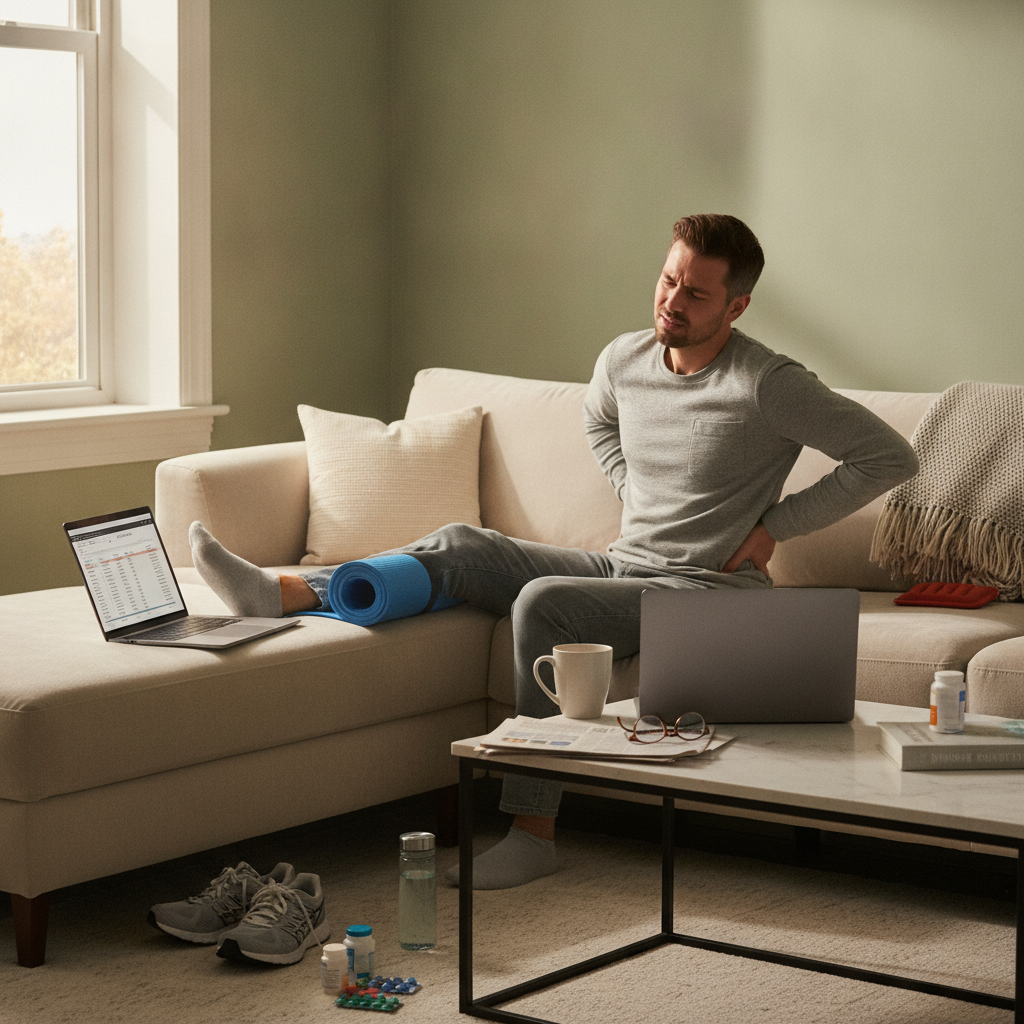
Living with sciatica can be a daily challenge, especially when seemingly harmless habits can make symptoms worse. Whether you’re a small business owner juggling long hours, a developer spending countless days at a desk, or a local resident just trying to get through your routine, understanding what might aggravate your sciatic nerve is crucial. Many people seeking sciatica treatment Rochester Hills are surprised to learn that their everyday routines could be adding fuel to the fire. From the way you sit and move, to the activities you choose and even how you manage stress, the little things matter. In this article, we’ll explore the daily habits that can worsen sciatica, explain why these habits matter, and offer practical tips for breaking the cycle of pain. If you’re ready to take control of your symptoms and support your recovery, this guide is for you.
Why Everyday Movements Matter for Sciatica Relief
Many people underestimate how much their day-to-day movements influence sciatica symptoms. Sciatica is often triggered or aggravated by pressure on the sciatic nerve, which runs from your lower back down through your hips and legs. Simple actions like standing up, bending over, or even walking can either relieve or worsen this pressure. For those seeking lasting results from sciatica treatment Rochester Hills, it’s essential to become aware of how your body mechanics and movement patterns affect your pain levels.
For example, slouching while sitting, twisting suddenly to grab something, or lifting heavy objects with poor form can all increase nerve irritation. Over time, these habits can prolong healing or even cause flare-ups. By learning to move more mindfully and adjust your posture, you can support your body’s natural healing process and get the most out of any professional care you receive. If you’re unsure where to start, consulting a local provider like Delta Chiropractic can help you identify and correct the specific habits that may be holding you back.
It’s important to remember that every person’s experience with sciatica is unique. What aggravates symptoms for one person may not affect another in the same way. However, being proactive about your daily movements is a foundational step toward reducing pain and preventing future episodes. Small changes, such as using proper lifting techniques or taking breaks to stretch, can make a significant difference over time.
The Impact of Prolonged Sitting and Poor Posture
One of the most common habits that aggravates sciatica is prolonged sitting, particularly with poor posture. Many jobs, especially those in tech or office settings, require hours at a desk. Over time, slouching, crossing your legs, or sitting in a chair that doesn’t support your lower back can put extra pressure on the sciatic nerve. This leads to increased pain, numbness, or tingling down the leg.
If you work from home or in an office, it’s easy to lose track of time and remain seated for long stretches. To minimize the risk, set reminders to stand up and stretch every 30–60 minutes. Adjust your workstation so your feet are flat on the floor, your knees are at hip level, and your back is supported. Ergonomic chairs and standing desks can also help, but the key is to keep moving throughout the day.
For those unsure whether their pain is truly sciatica, it’s important to recognize the signs and differentiate it from other causes of leg discomfort. The article How to Tell if Your Leg Pain Is Sciatica: Signs Patients in Rochester Hills, MI Should Watch For offers helpful guidance. By addressing posture and sitting habits early, you can reduce the likelihood of chronic nerve irritation and support your recovery.
How Inactivity and Sedentary Lifestyles Slow Recovery
While rest is sometimes necessary during acute sciatica flare-ups, too much inactivity can actually make symptoms worse. A sedentary lifestyle weakens the core and gluteal muscles that support the spine, making it easier for the sciatic nerve to become compressed. Over time, this can lead to a vicious cycle of pain and inactivity.
It’s a common misconception that people with sciatica should avoid physical activity altogether. In reality, gentle movement and low-impact exercises are often recommended as part of a comprehensive recovery plan. Walking, swimming, or using a stationary bike can help keep the muscles engaged without putting excessive strain on the lower back. It’s important to avoid sudden or jarring movements, but regular activity promotes circulation and healing.
For those comparing different approaches to sciatica relief, the resource Sciatica Relief in Rochester Hills, MI: Comparing Non-Surgical Treatment Approaches provides a useful overview of options. Ultimately, staying active within your comfort zone and under professional guidance can help you regain mobility and reduce the frequency of painful flare-ups.
Lifting Techniques That Can Trigger Sciatic Pain
Improper lifting is a frequent culprit behind sciatica flare-ups. Whether you’re moving boxes at work, picking up your child, or simply carrying groceries, using the wrong technique can strain your lower back and irritate the sciatic nerve. Many people instinctively bend at the waist instead of the knees, which places excessive pressure on the lumbar spine.
To protect your back, always bend your knees and keep your back straight when lifting. Hold objects close to your body and avoid twisting while carrying heavy loads. If something feels too heavy, don’t hesitate to ask for help or use equipment like carts or dollies. Practicing good lifting habits not only prevents new injuries but also supports ongoing recovery if you’re already dealing with sciatica.
Small business owners and busy professionals in the area often find themselves multitasking and rushing through daily chores. Taking a few extra seconds to lift safely can pay off in the long run by minimizing pain and downtime. If you’re unsure about your lifting technique, consider asking a physical therapist or chiropractor for a demonstration tailored to your needs.
Table: Common Daily Habits That Aggravate Sciatica
| Habit | Why It Aggravates Sciatica | Simple Fix |
|---|---|---|
| Slouching at your desk | Increases pressure on the lower back and sciatic nerve | Sit upright, use lumbar support |
| Lifting with your back | Strains lumbar discs and nerves | Bend knees, keep back straight |
| Sitting for long periods | Reduces blood flow, increases nerve compression | Take breaks, stand and stretch |
| Crossing legs while sitting | Twists pelvis, misaligns spine | Keep both feet flat on the floor |
| Skipping exercise | Weakens core and back muscles | Engage in low-impact movement |
How Stress and Poor Sleep Can Intensify Sciatica
Stress and sleep quality play a surprisingly large role in the experience of sciatica. Chronic stress can lead to muscle tension, especially in the lower back and hips, which increases pressure on the sciatic nerve. Additionally, stress hormones can heighten pain sensitivity, making symptoms feel more intense.
Poor sleep compounds the problem. When you don’t get enough restorative rest, your body’s ability to heal and recover is diminished. Sleep deprivation also lowers your pain threshold, making it harder to cope with discomfort during the day. If you find yourself tossing and turning, try experimenting with different sleep positions, many people with sciatica find relief by sleeping on their side with a pillow between their knees.
Incorporating stress management techniques such as deep breathing, meditation, or gentle yoga can help relax tense muscles and improve overall well-being. Prioritizing good sleep hygiene, such as maintaining a consistent bedtime and limiting screen time before bed, can also support your recovery. Remember, healing from sciatica is a holistic process that involves both physical and mental health.
Footwear Choices and Their Role in Sciatic Discomfort
Footwear might not be the first thing you think of when managing sciatica, but your shoes can have a significant impact on your symptoms. High heels, unsupportive flats, or shoes with poor arch support can alter your gait and posture, leading to increased strain on your lower back and sciatic nerve.
Wearing shoes that provide adequate support and cushioning helps maintain proper spinal alignment and reduces the risk of nerve irritation. If you spend long hours on your feet, consider investing in orthotic inserts or supportive sneakers designed for your foot type. Avoid walking barefoot on hard surfaces for extended periods, as this can exacerbate discomfort.
For those who enjoy fashion, it’s still possible to find stylish options that don’t sacrifice comfort. Look for shoes with a low, stable heel and a contoured footbed. Making smart footwear choices is a simple yet effective way to support your recovery and prevent future flare-ups.
The Hidden Risks of Ignoring Early Warning Signs
Ignoring the early warning signs of sciatica is a habit that can lead to more severe and persistent pain. Many people brush off mild tingling, numbness, or occasional aches, hoping they’ll resolve on their own. However, without timely intervention, these symptoms can escalate, making treatment more challenging and recovery longer.
It’s important to listen to your body and seek help if you notice recurring pain, especially if it interferes with your daily activities. Early assessment allows for a more targeted treatment plan and can prevent complications such as muscle weakness or loss of mobility. Don’t wait until the pain is unbearable, addressing symptoms promptly is key to long-term relief.
If you’re unsure whether your symptoms warrant professional attention, consider tracking your pain patterns and noting any activities that seem to trigger discomfort. Sharing this information with your healthcare provider can lead to a more accurate diagnosis and a faster path to recovery.
Overdoing It: When Too Much Activity Backfires
While inactivity can worsen sciatica, overexertion is equally problematic. Many people, especially those eager to return to normal routines, push themselves too hard too soon. High-impact activities, heavy lifting, or sudden increases in exercise intensity can all trigger flare-ups by placing extra strain on the lower back and sciatic nerve.
It’s important to strike a balance between movement and rest. Listen to your body and avoid activities that cause sharp or shooting pain. Gradually increase your activity level, and consider working with a physical therapist or chiropractor to develop a safe, personalized exercise plan. Remember, recovery is a marathon, not a sprint, patience and consistency are your allies.
If you’re involved in sports or physically demanding work, be mindful of your limits and use proper techniques to protect your back. Taking time to warm up, stretch, and cool down can help prevent injuries and support long-term healing.
Diet, Hydration, and Their Influence on Sciatica
Nutrition and hydration are often overlooked aspects of sciatica management. A diet high in processed foods, sugar, and unhealthy fats can contribute to inflammation, which may worsen nerve pain. Conversely, eating a balanced diet rich in fruits, vegetables, lean proteins, and healthy fats supports overall health and can help reduce inflammation.
Staying hydrated is equally important. Dehydration can lead to stiff muscles and joints, making it harder for your body to recover from injury. Aim to drink water throughout the day, especially if you’re physically active or spend time in heated environments. Limiting caffeine and alcohol can also help maintain optimal hydration levels.
If you’re unsure where to start, consider consulting a nutritionist or healthcare provider for personalized guidance. Small changes in your diet and hydration habits can have a positive impact on your symptoms and overall well-being.
When to Seek Professional Help for Sciatica Symptoms
Knowing when to seek professional help is crucial for anyone experiencing persistent or worsening sciatica symptoms. While self-care and lifestyle changes can be effective, there are times when medical intervention is necessary. If you experience severe pain, weakness, or loss of bladder or bowel control, seek immediate attention.
For ongoing discomfort that doesn’t improve with home remedies, a healthcare provider can offer a thorough evaluation and recommend targeted treatments. Options may include physical therapy, chiropractic care, or other non-surgical interventions. Early intervention can prevent complications and help you return to your normal activities more quickly.
Residents of this community have access to a range of local resources for sciatica care. Don’t hesitate to reach out for support, taking action today can make a significant difference in your quality of life.
Key Takeaways
Daily habits play a powerful role in either aggravating or alleviating sciatica symptoms. From posture and movement to stress management, footwear, and nutrition, every aspect of your routine matters. By becoming more mindful of your body mechanics and making small, consistent changes, you can support your recovery and reduce the risk of future flare-ups. Remember, professional guidance is available if you need help breaking the cycle of pain. Taking proactive steps today can lead to lasting relief and a healthier, more active life.