

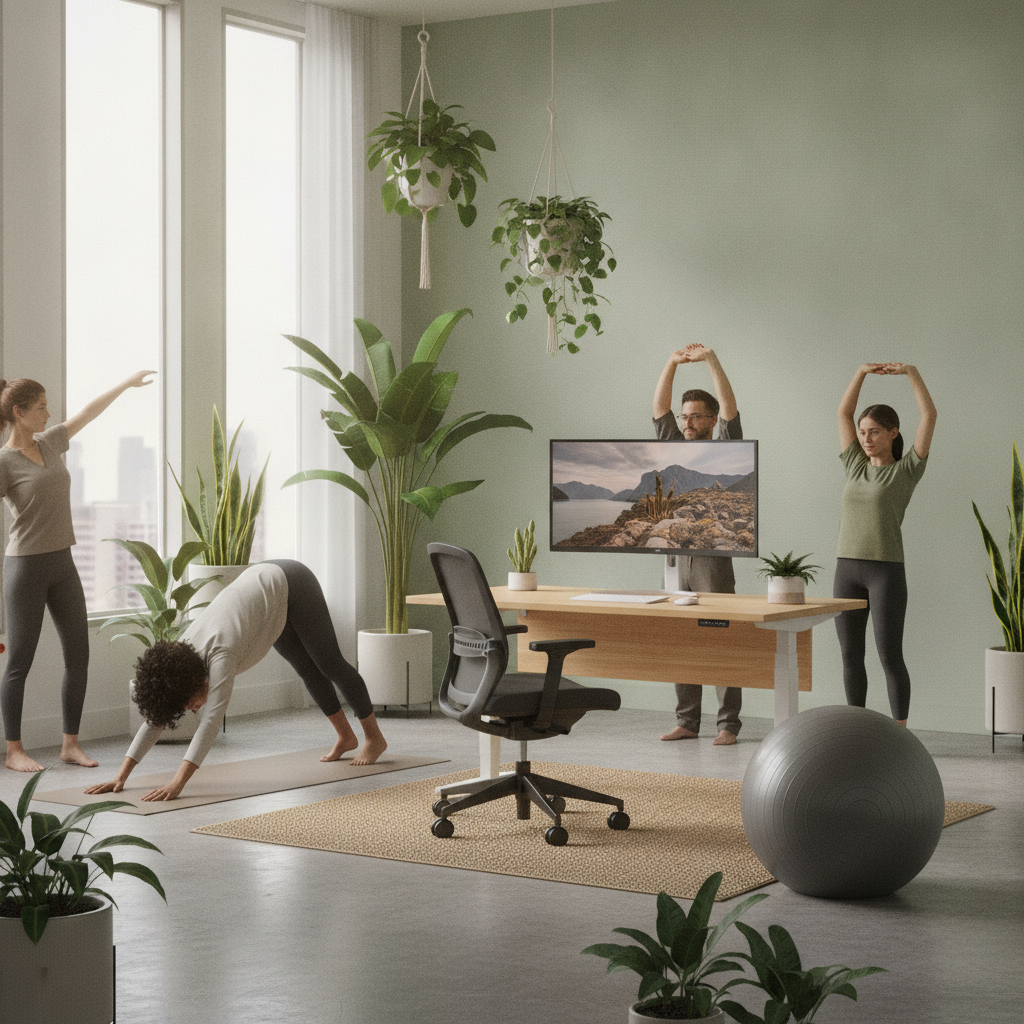
If you spend most of your workday at a desk, you know how nagging back pain can creep in and disrupt your focus, productivity, and even your mood. For many in the area, finding back pain relief in Rochester Hills is not just about quick fixes, it’s about building healthier habits and smarter workspaces that support your body over the long haul. Whether you’re a small business owner managing your own team, a developer glued to a screen, or simply someone who wants to feel better at work, understanding the root causes of back pain and how to address them is essential. In this guide, we’ll break down the most effective ergonomic tweaks, movement strategies, and actionable tips to help you reclaim comfort and energy at your desk. You’ll discover why back pain is so common among office workers, how your workspace setup might be contributing to your discomfort, and which daily habits can make a real difference. If you’re ready to move beyond temporary relief and create a foundation for lasting back health, read on for practical solutions you can start using today.
Why Office Workers Are Prone to Back Pain
Office environments are notorious for fostering habits that lead to back pain. The combination of long hours spent sitting, repetitive movements, and static postures can put significant strain on the spine and surrounding muscles. Unlike more physically active jobs, office work often lacks the variety of movement that helps keep muscles flexible and joints lubricated. Over time, this can result in stiffness, muscle imbalances, and chronic discomfort. Many people don’t realize that even subtle factors, like the height of a computer monitor or the angle of a chair, can have a profound impact on spinal health. Stress also plays a role, as mental tension can lead to physical tension, especially in the neck and back. Recognizing these risk factors is the first step toward preventing and managing pain. For those seeking professional support, Delta Chiropractic provides resources and care options tailored to the needs of office workers and business professionals.
Setting Up Your Desk for Comfort and Health
A well-designed workspace is your first line of defense against back pain. The goal is to create an environment that supports your body’s natural alignment and encourages movement throughout the day. Start with your chair: it should provide lumbar support, allow your feet to rest flat on the floor, and keep your knees at a 90-degree angle. Your desk height should enable your forearms to rest comfortably while typing, with elbows close to your sides. Position your monitor at eye level to avoid hunching or craning your neck. Small adjustments, like using a footrest or adjusting armrests, can make a big difference. Lighting matters too, glare or poor lighting can cause you to lean forward or squint, which strains your upper back and neck. Remember, the best setup is one that feels natural and allows you to maintain good posture with minimal effort. If you’re considering a new ergonomic chair or standing desk, take the time to test different options and read reviews. For a detailed walkthrough of what to expect when seeking professional ergonomic advice, check out What Happens During Your First Visit to a Rochester Hills Chiropractor?
Movement Breaks: The Key to Preventing Stiffness
Even with perfect ergonomics, sitting in one position for hours is a recipe for discomfort. Our bodies are designed to move, and regular movement breaks are essential for keeping muscles supple and joints healthy. Aim to stand up, stretch, or walk around at least once every 30 to 60 minutes. Simple stretches, like reaching overhead, twisting gently from side to side, or rolling your shoulders, can help reduce muscle tension and improve circulation. Some people set reminders or use apps to prompt movement throughout the day. Others incorporate walking meetings or take phone calls while standing. If you have access to a sit-stand desk, alternate between sitting and standing every hour. Movement doesn’t have to be complicated; even a quick walk to the water cooler or a few minutes of gentle stretching at your desk can make a noticeable difference. For those exploring alternatives to medication or surgery, Non-Surgical Back Pain Relief Options in Rochester Hills, MI offers a range of strategies that prioritize natural movement and active recovery.
How Poor Posture Develops and What to Do About It
Poor posture is often the result of small habits repeated over time. Slouching, leaning forward, or crossing your legs can gradually train your muscles and joints into unhealthy positions. This not only strains your back but can also affect your shoulders, neck, and hips. The first step in correcting posture is awareness, notice how you sit throughout the day and identify the moments when your form slips. Try placing a sticky note on your monitor as a reminder to sit tall, or set periodic posture checks on your phone. Strengthening your core muscles through targeted exercises can also help, as a strong core provides the support needed for an upright posture. Consider practicing mindful breathing or gentle yoga stretches to reinforce good habits. If you find it difficult to maintain posture on your own, ergonomic supports like lumbar cushions or posture-correcting devices can offer additional help. Remember, change takes time, but small daily improvements add up to lasting results.
Choosing the Right Chair: Features That Matter
The right office chair can be a game changer for back pain relief. Look for a chair that offers adjustable lumbar support, seat height, and armrests. The seat should be deep enough to support your thighs without putting pressure behind your knees. Breathable materials and a stable base with casters can improve comfort and mobility. If possible, try out chairs before purchasing, what works for one person may not suit another. Some people benefit from chairs with a slight recline, which can reduce pressure on the lower back. Others prefer a more upright position. Don’t overlook the importance of regular chair adjustments; as your posture and needs change, your chair should adapt with you. Investing in a quality chair is an investment in your health and productivity. If budget is a concern, consider adding ergonomic accessories to your existing chair, such as a seat cushion or lumbar roll, to enhance support.
Standing Desks and Active Workstations: Are They Worth It?
Standing desks and active workstations have surged in popularity as more people seek alternatives to all-day sitting. These setups allow you to change positions throughout the day, which can help reduce stiffness and improve energy levels. However, standing all day isn’t the solution either, balance is key. If you opt for a standing desk, start by alternating between sitting and standing every 30 to 60 minutes. Use an anti-fatigue mat to reduce pressure on your feet and lower back, and wear supportive shoes. Some people incorporate balance boards or under-desk cycles to keep their legs moving while working. The transition to a standing desk should be gradual to allow your body to adapt. Listen to your body and adjust as needed; discomfort is a sign to change positions or take a break. Ultimately, the best workstation is one that encourages a variety of postures and movements throughout your workday.
Daily Habits That Support a Healthy Back
Beyond your desk setup, daily habits play a crucial role in back health. Prioritize regular exercise, focusing on activities that build core strength, flexibility, and cardiovascular fitness. Walking, swimming, and yoga are excellent choices for most people. Stay hydrated and maintain a balanced diet to support muscle function and overall well-being. Pay attention to how you carry bags or lift objects, use your legs, not your back, and avoid twisting motions. Take time to de-stress each day, as chronic stress can manifest as muscle tension. Consider incorporating a short stretching routine into your morning or evening to keep your back limber. Good sleep hygiene also matters; a supportive mattress and pillow can prevent overnight stiffness. By making these habits part of your routine, you’ll build resilience against back pain and improve your overall quality of life.
When to Seek Professional Help for Back Pain
While many cases of back pain can be managed with ergonomic adjustments and self-care, there are times when professional help is necessary. If your pain is severe, persistent, or accompanied by symptoms like numbness, tingling, or weakness in your legs, consult a healthcare provider promptly. Early intervention can prevent more serious issues and speed up recovery. Chiropractors, physical therapists, and other specialists can provide targeted treatments, personalized exercise plans, and guidance on safe movement. In some cases, imaging or further evaluation may be needed to rule out underlying conditions. Don’t ignore pain that disrupts your daily activities or sleep, addressing it early leads to better outcomes. Many professionals in the region offer consultations and assessments tailored to office workers and their unique needs. Remember, you don’t have to navigate back pain alone, expert support is available.
Comparing Ergonomic Tools and Accessories
With so many ergonomic products on the market, choosing the right tools can feel overwhelming. From lumbar cushions to adjustable monitor arms, each accessory serves a specific purpose. The table below compares some of the most popular ergonomic tools, highlighting their benefits and ideal use cases. Remember, the best accessory is one that addresses your unique needs and fits seamlessly into your workflow.
| Accessory | Primary Benefit | Ideal For |
|---|---|---|
| Lumbar Support Cushion | Supports natural curve of lower back | Anyone with lower back discomfort |
| Adjustable Monitor Arm | Positions screen at eye level | Users with neck or upper back strain |
| Footrest | Promotes circulation and proper posture | Shorter individuals or those with dangling feet |
| Standing Desk Converter | Allows switching between sitting and standing | Workers seeking more movement variety |
| Keyboard Tray | Enables neutral wrist positioning | Frequent typists or those with wrist pain |
Test different accessories to find what works best for you. Sometimes, a small change, like elevating your monitor or adding a cushion, can have a big impact on comfort and productivity.
Simple Stretches and Exercises for the Workday
Incorporating stretches and gentle exercises into your workday can help prevent and relieve back pain. Focus on movements that open the chest, lengthen the spine, and engage the core. Try standing and reaching overhead, gently twisting your torso, or performing seated cat-cow stretches. Shoulder rolls and neck stretches can release upper back tension. If you have space, take a few minutes to walk or do gentle lunges. These exercises don’t require special equipment and can be done in regular work attire. The key is consistency, regular movement keeps muscles flexible and reduces the risk of stiffness. If you’re unsure where to start, look for online videos or guides tailored to office workers. Remember to listen to your body and avoid any movements that cause pain. Over time, these simple habits can make a significant difference in how you feel at work and beyond.
Final Thoughts
Back pain doesn’t have to be an inevitable part of office life. By making thoughtful ergonomic adjustments, building movement into your day, and adopting healthy habits, you can protect your spine and enjoy greater comfort at work. Remember, small changes add up, start with one or two tweaks and build from there. If pain persists or worsens, don’t hesitate to seek professional guidance from local experts who understand the unique needs of office workers in this community. Prioritizing your back health is an investment in your productivity, well-being, and long-term quality of life. Take action today and set yourself up for a healthier, more comfortable tomorrow.