

Sports Chiropractic Care for Athletes in Rochester Hills, MI
Whether you compete, train, run, lift, golf, play hockey or simply want to stay active, musculoskeletal pain and restricted movement can interfere with the activities you enjoy. Delta Chiropractic provides personalized chiropractic evaluations for athletes and active adults with a focus on movement, mobility and appropriate conservative care.
- Personalized Sports & Movement Evaluation
- Care for Athletes & Active Adults
- Convenient Rochester Hills Location
Request an Appointment
Choose an available appointment time that works best for you.
Your information is private & secure.
Who Can Benefit From a Sports Chiropractic Evaluation?
Sports chiropractic care may be appropriate for athletes and active adults experiencing musculoskeletal pain, stiffness, restricted mobility or movement concerns that affect training, competition or everyday activity.
That can include competitive and recreational athletes, runners, hockey players, golfers, racquet-sport players, weightlifters, cyclists, team-sport athletes, weekend warriors and people who simply want to stay active. Not every athlete needs chiropractic care. The purpose of an evaluation is to understand your symptoms, activity demands and examination findings before recommending care.
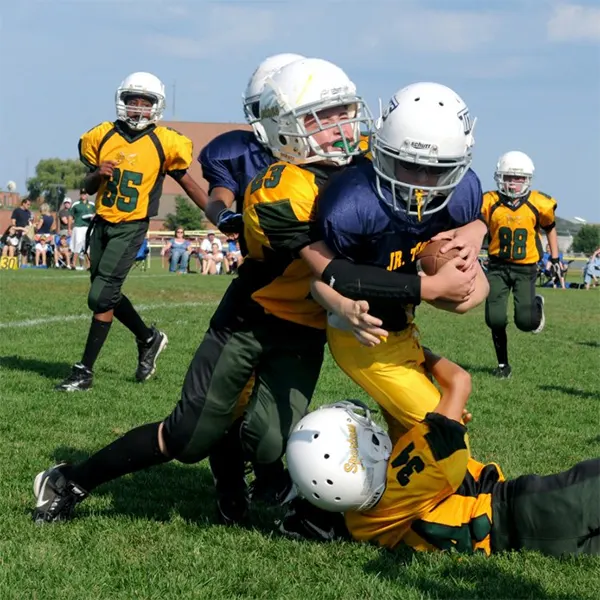
Why Do Athletes See Chiropractors?
Athletes commonly seek chiropractic care for musculoskeletal pain, stiffness, restricted movement, mobility concerns and activity-related discomfort. Training and competition can expose the body to repetitive loading, rotation, impact and sustained positions. An evaluation can help determine whether a musculoskeletal concern is appropriate for conservative care.
Common reasons include low back pain, neck pain, joint stiffness, muscle tension, movement limitations, previous injuries and sciatica-type symptoms. When appropriate, chiropractic care may be one part of a broader plan that also includes exercise, rehabilitation, training modifications or referral.
Common Reasons Athletes Visit Delta Chiropractic
Low Back Pain
Lifting, running, rotational sports and prolonged training can place physical demands on the low back. Learn about low back pain care.
Neck Pain
Neck discomfort may occur with contact sports, cycling posture, lifting, previous injuries or long hours at a desk between training sessions. Explore neck pain care.
Sciatica-Type Symptoms
Pain, tingling or other symptoms traveling into a leg deserve appropriate evaluation rather than assuming the cause. Learn about sciatica.
Shoulder Discomfort
Overhead sports, throwing, pressing and repetitive training can be associated with shoulder and upper-body complaints.
Posture & Movement
Sports require many different positions. The focus is comfortable movement and position tolerance, not a single “perfect” posture. Learn more about posture.
Headaches & Jaw Tension
Some athletes report headaches, cervical tension or jaw clenching. See our information on headaches and TMJ concerns.
Can Chiropractic Care Improve Athletic Performance?
Chiropractic care should not be presented as a guaranteed way to make an athlete faster, stronger or more powerful. For an athlete with musculoskeletal pain, stiffness or restricted movement, appropriate care may help address those specific concerns and support more comfortable movement.
There is an important difference between addressing a relevant musculoskeletal problem and promising direct performance enhancement. Delta's approach is based on examination findings and the athlete's individual needs, not guarantees about speed, strength, power or reaction time.
Why Does Mobility Matter for Athletes?
Athletic activities often require sufficient movement through the ankles, hips, thoracic spine, shoulders and cervical spine, but the demands differ by sport. Runners may depend heavily on hip and ankle movement, golfers on hip and thoracic rotation, hockey players on hip mobility and rotational movement, and weightlifters on coordinated hip, ankle, shoulder and thoracic mobility.
More mobility is not automatically better. The goal is movement that is appropriate for the athlete, the activity and the individual body's needs.

Running, Repetitive Loading & Plantar Fascia Concerns
Running repeatedly loads the feet, ankles, knees, hips and low back. Heel or plantar fascia pain can affect walking and training, but foot pain has multiple possible causes and should be evaluated appropriately.
For runners with musculoskeletal complaints, an evaluation may consider symptoms, training changes, movement, relevant mobility and the need for rehabilitation or referral. Chiropractic care is not a substitute for medical or sports-medicine evaluation when symptoms suggest a more significant injury.
Can Chiropractic Care Help With Sports Recovery?
Recovery depends on sleep, nutrition, hydration, training load, conditioning, injury status and appropriate rehabilitation. Chiropractic care may be incorporated into an athlete's broader musculoskeletal care plan when pain, stiffness or movement limitations are present.
Good recovery planning may also involve active recovery, progressive loading, therapeutic exercise, physical therapy, athletic training or other professional care depending on the situation.
Can Chiropractic Care Prevent Sports Injuries?
No form of care can guarantee that an athlete will avoid injury.
Injury risk is influenced by training load, previous injury, conditioning, technique, fatigue, sport exposure, recovery, equipment and environment. A musculoskeletal evaluation may identify existing pain, restricted movement or other symptoms that deserve attention, but chiropractic care should not be described as making an athlete “injury-proof.”
What Should You Do After a Sports Injury?
The correct next step depends on the injury. Some musculoskeletal complaints may be appropriate for conservative evaluation, while more significant injuries may require sports medicine, orthopedic evaluation, physical therapy, imaging or emergency care.
Seek prompt medical evaluation when appropriate
Examples include obvious deformity, inability to bear weight, severe swelling, significant trauma, suspected fracture, joint instability, loss of consciousness, new neurological symptoms, progressive weakness, or severe neck or back pain after trauma.
What Happens at Your First Sports Chiropractic Visit?
Sport & Health History
Your sport, training frequency, current symptoms, previous injuries, competition demands and goals.
Movement & Musculoskeletal Evaluation
May include mobility, range of motion, movement, tenderness and relevant orthopedic or neurological screening.
Clinical Assessment
We consider whether chiropractic care is appropriate or whether imaging, rehabilitation, sports medicine or another referral should be considered.
Personalized Plan
Recommendations may include care, mobility work, exercise, activity modification, home recommendations or referral based on findings.
What May Sports Chiropractic Care Include?
Depending on examination findings and clinical appropriateness, care may include chiropractic adjustments, joint mobilization, soft-tissue approaches, mobility recommendations, therapeutic exercise, home exercises, movement recommendations, posture or ergonomic guidance, activity modification, and referral or co-management.
Not every athlete receives every type of care. Learn more about Delta's approach to chiropractic care.
Chiropractic Care for Different Types of Athletes
Runners
Repetitive loading places demands on the feet, hips, low back and lower-body mobility.
Hockey Players
Skating, rotation, directional changes and contact create significant hip, low-back, neck and shoulder demands.
Golfers
Golf requires repeated rotation through the hips and trunk, along with coordinated shoulder and spinal movement.
Weightlifters
Squatting, deadlifting and pressing place different demands on the hips, ankles, shoulders and spine.
Pickleball & Tennis
Rotation, reaching and rapid direction changes can challenge the shoulders, back and lower extremities.
Cyclists
Sustained riding positions can be associated with neck, upper-back, low-back and hip complaints.
Team-Sport Athletes
Sprinting, cutting, jumping, contact and repetitive practices create sport-specific physical demands.
Weekend Warriors
You do not need to compete professionally to seek evaluation for pain, stiffness or movement concerns that affect activity.
Does Posture Matter for Athletes?
There is no single perfect posture. Cyclists, hockey players, golfers and weightlifters intentionally use very different positions. Instead of chasing a universal “ideal alignment,” an athlete's evaluation can focus on comfortable movement, position tolerance, mobility, strength, sport demands and symptoms.
Read more about Delta's approach to posture concerns.
What About Chiropractic Care for Younger Athletes?
High school and college athletes may have substantial training demands, previous injuries and sport-specific movement requirements. Care should be age-appropriate, and minors should have appropriate parental involvement. Medical, rehabilitation or sports-medicine referral should be used when necessary.
For information about Delta's broader approach to younger patients, visit the pediatric chiropractic page.

Meet Dr. Justin Berlin
Dr. Justin Berlin is the owner of Delta Chiropractic and a 2006 graduate of Palmer College of Chiropractic. A lifelong Michigander, he also has a junior and college hockey background and personal familiarity with the physical demands and injuries that can come with sports.
That athletic perspective complements an examination-driven approach focused on helping patients address musculoskeletal concerns, stay active and function comfortably. Recommendations are based on the individual rather than assuming every athlete needs the same care.
See What Our Patients Say
Why Athletes Choose Delta Chiropractic
Personalized Evaluation
Care is based on symptoms, activity demands, history and examination findings.
Athlete Perspective
Dr. Justin's hockey background gives him personal familiarity with training and sports-related physical demands.
Conservative Approach
Recommendations are based on clinical findings and may include referral or co-management when appropriate.
Rochester Hills Location
Convenient for athletes and active adults in Rochester Hills and surrounding communities.
Frequently Asked Questions
What is a sports chiropractor?
Why do athletes see chiropractors?
Can chiropractic help athletes?
Can chiropractic improve athletic performance?
Can chiropractic make me stronger?
Can chiropractic make me faster?
Can chiropractic prevent sports injuries?
Can chiropractic help sports recovery?
Can chiropractic help with mobility?
Can chiropractic help low back pain in athletes?
Can chiropractic help neck pain in athletes?
Can runners see a chiropractor?
Can hockey players see a chiropractor?
Can golfers see a chiropractor?
Can weightlifters see a chiropractor?
Can pickleball players see a chiropractor?
Can cyclists see a chiropractor?
Can high school athletes see a chiropractor?
Can college athletes see a chiropractor?
What happens during a sports chiropractic evaluation?
Do athletes need X-rays before chiropractic care?
When should a sports injury be medically evaluated?
Can I exercise after a chiropractic adjustment?
How soon can I return to my sport after an injury?
Where can I find a sports chiropractor in Rochester Hills?
Sports Chiropractic Care in Rochester Hills
Delta Chiropractic
1136 S Rochester Rd Suite B
Rochester Hills, MI 48307
Phone: (248) 963-8181
Schedule Your Sports Chiropractic Evaluation in Rochester Hills
Whether you're training for competition, returning to activity or simply want to stay active, Delta Chiropractic can evaluate musculoskeletal pain, mobility and movement concerns and help determine whether chiropractic care is appropriate for you.