

TMJ & Jaw Pain Chiropractic Care in Rochester Hills, MI
Jaw pain, stiffness, clicking or tension can make eating, speaking and everyday activities uncomfortable. Delta Chiropractic evaluates jaw-related musculoskeletal concerns alongside the neck, surrounding muscles and movement to help determine an appropriate, personalized care plan.
- Personalized Jaw & TMJ Evaluation
- Jaw, Neck & Movement Assessment
- Convenient Rochester Hills Location
Request an Appointment
Choose an available appointment time that works best for you.
Your information is private & secure.
NEW PATIENT SPECIAL
Start With a Complimentary Consultation
Meet Dr. Justin Berlin, talk through what you are feeling, and learn whether chiropractic care may be right for you before you commit to anything. No obligation.
What Is the Temporomandibular Joint (TMJ)?
The temporomandibular joints, or TMJs, connect the lower jaw to the skull on each side of the face. Located just in front of the ears, these joints work with surrounding muscles and other structures to help the jaw open, close and move during chewing, speaking and yawning.
TMJ technically refers to the joint itself. TMD, or temporomandibular disorder, is a broader term for disorders involving the jaw joint, chewing muscles and related structures.
What Is Temporomandibular Disorder (TMD)?
TMD is an umbrella term for a group of conditions involving the temporomandibular joints, muscles used for chewing and related structures. Symptoms vary and may include jaw pain or tenderness, stiffness, discomfort with chewing, limited or uncomfortable movement, clicking or popping, and facial discomfort or headaches in some people.
A click or pop by itself does not necessarily mean the joint is damaged or that treatment is required.
What Does TMJ Dysfunction Feel Like?
Jaw Pain
Pain or tenderness around the jaw or temporomandibular joint.
Jaw Stiffness
The jaw may feel tight or difficult to move comfortably.
Clicking or Popping
Some people notice sounds when opening, closing or chewing.
Pain With Chewing
Chewing certain foods may aggravate symptoms.
Facial or Muscle Tension
Muscles around the jaw, temple or face may feel tender or fatigued.
Headache or Neck Symptoms
Some people with TMD also report headaches or neck discomfort.
Why Does My Jaw Click or Pop?
Jaw clicking or popping may occur when structures within or around the temporomandibular joint move during opening and closing. Jaw sounds are relatively common and do not automatically mean the joint is damaged.
Evaluation may be appropriate when sounds are accompanied by pain, locking, restricted movement, trauma, significant changes in jaw function or persistent symptoms.
What Can Contribute to TMJ or Jaw Pain?
There is no single cause of jaw pain for everyone. Potential contributors may include jaw muscle overuse, clenching, teeth grinding, chewing habits, trauma, joint irritation, muscular tension, certain dental or bite-related issues, stress-related muscle tension and other medical or dental conditions.
A useful evaluation considers the individual pattern rather than assuming jaw symptoms come from one universal spinal, postural or alignment problem.
Can Clenching or Teeth Grinding Contribute to Jaw Pain?
Yes. Repeated clenching or grinding can increase demand on the jaw muscles and may contribute to soreness or fatigue in some people. Bruxism may occur during sleep or waking hours, and some people notice morning jaw soreness or headaches.
A dentist may be appropriate when there is tooth wear, cracked teeth, dental damage, bite concerns or a possible need for a night guard or other oral appliance. Chiropractic care does not replace dental evaluation.
Can Stress Contribute to Jaw Tension?
Stress does not necessarily cause a temporomandibular disorder, but some people clench their jaw or increase muscular tension during periods of stress. That may contribute to jaw muscle fatigue, facial tension, clenching, headaches or neck tension.
Can TMJ Problems Be Associated With Headaches?
Some people with temporomandibular disorders also experience headaches, facial discomfort or tenderness around the temples. However, not every headache is caused by TMD, and headaches have many possible causes.
Explore Delta's headache resource and migraine resource. Sudden, severe or unusual headaches require appropriate medical evaluation.
Can TMJ Symptoms Occur Alongside Neck Pain?
Jaw and neck symptoms can coexist in some people because activities involving the jaw, head and neck use multiple muscles and movement patterns. A musculoskeletal evaluation may consider jaw movement, neck mobility, muscle tenderness, head and neck movement, and relevant activity habits.
That does not mean the neck causes every TMD. Learn more about neck pain chiropractic evaluation and posture and movement.
Does Posture Affect TMJ?
Posture may be one factor considered during a broader musculoskeletal evaluation, particularly when jaw symptoms coexist with neck discomfort or prolonged work positions. However, posture alone does not explain every temporomandibular disorder.
Desk work, prolonged positions, neck tension, jaw clenching during concentration and movement habits can all be discussed as part of an individualized evaluation. Read more about posture chiropractic care in Rochester Hills.
Can TMJ Problems Feel Like Ear Pain or Pressure?
The temporomandibular joint is located close to the ear, and some people with TMD report discomfort near the ear. Ear pain, pressure, hearing changes, drainage, fever, dizziness or other ear symptoms can also have causes unrelated to the jaw and may require medical evaluation.
Can a Chiropractor Help With TMJ or Jaw Pain?
A chiropractor may evaluate musculoskeletal factors that coexist with jaw symptoms, including jaw movement, neck mobility and surrounding muscle tension. Depending on findings, conservative chiropractic care, soft-tissue approaches, movement recommendations or coordination with a dentist or other healthcare professional may be appropriate.
Chiropractic care should not be presented as permanently realigning the jaw or curing all TMD. Learn more about Delta's broader chiropractic care approach.
How Does Delta Chiropractic Evaluate Jaw & TMJ Concerns?
An evaluation may include health and symptom history, jaw movement, comfortable opening and closing, relevant muscular tenderness, neck range of motion and mobility, head and neck movement, clenching or grinding history, and work or activity habits.
The goal is to determine which musculoskeletal findings may be relevant and whether conservative chiropractic management, referral or co-management appears appropriate.
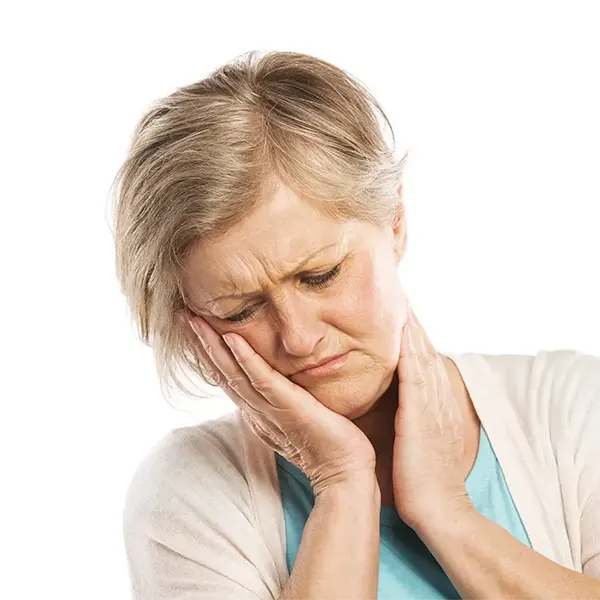
What May Chiropractic Care for TMJ-Related Musculoskeletal Concerns Include?
Chiropractic Care
Care for relevant neck or musculoskeletal findings may be considered depending on the examination.
Mobility & Soft Tissue
Gentle mobility or soft-tissue approaches may be considered when appropriate.
Movement & Self-Management
Jaw or neck movement recommendations and activity modification may be part of the plan.
Collaborative Care
Dental or medical coordination may be recommended when findings fall outside chiropractic management.
When Should I See a Dentist for TMJ or Jaw Pain?
Dental evaluation may be especially important when symptoms involve tooth pain, tooth wear, cracked or damaged teeth, significant grinding, bite-related concerns, dental infection, recent dental work or a possible need for an oral appliance.
Some patients may benefit from co-management. Chiropractic care is not a replacement for dental care.
When Does Jaw Pain Need Medical Evaluation?
Medical evaluation may be appropriate when jaw symptoms could have causes outside the musculoskeletal or dental system, including fever, facial swelling, signs of infection, significant trauma, severe or rapidly worsening pain, new neurological symptoms, unexplained facial weakness, difficulty swallowing or breathing, chest pain, significant ear symptoms, severe headache or persistent unexplained symptoms.
What If My Jaw Locks or Will Not Open Normally?
Jaw locking, significant restriction or inability to comfortably open or close the mouth deserves appropriate evaluation. Do not force the jaw open or attempt aggressive self-manipulation. Depending on the circumstances, dental, medical or specialist evaluation may be appropriate.
What If Jaw Pain Started After an Injury?
Jaw pain following a fall, sports collision, motor vehicle accident, direct blow or other significant trauma should be evaluated appropriately. Possible fracture, dislocation or other acute injury requires medical or dental evaluation rather than assuming the problem is simply muscular.
What About Jaw Pain in Athletes?
Contact sports, direct trauma, clenching during lifting or training, mouthguard use, neck symptoms and head injuries can all be relevant. Jaw symptoms after significant impact, especially with concussion symptoms or suspected fracture, require appropriate medical evaluation.
Can Children or Teenagers Have Jaw Pain?
Yes. Dental issues, orthodontic treatment, injury, clenching or grinding and musculoskeletal symptoms can all be relevant. Persistent symptoms should be discussed with an appropriate pediatric, dental or medical provider.
Learn about pediatric chiropractic care at Delta.
When Should Jaw Pain Be Evaluated Promptly?
Some jaw symptoms require prompt medical or dental attention.
Seek appropriate evaluation for significant facial or jaw trauma, suspected fracture or dislocation, inability to open or close the mouth, severe or rapidly worsening pain, significant facial swelling, fever with swelling, difficulty breathing or swallowing, new facial weakness or neurological symptoms, sudden severe headache, or signs of dental infection.
Jaw discomfort can occasionally occur with serious medical conditions. If jaw pain occurs with chest pressure or pain, shortness of breath, sweating, nausea, lightheadedness, or pain spreading to the arm, shoulder, back or jaw, seek emergency medical care.
What Happens at a TMJ & Jaw Pain Evaluation?
Health & Symptom History
Discuss jaw symptoms, duration, triggers, dental history, clenching or grinding, injuries, headaches and neck symptoms.
Jaw & Movement Evaluation
May assess jaw opening and closing, comfortable movement, relevant muscular tenderness and functional limitations.
Neck & Musculoskeletal Assessment
May consider neck movement, mobility, relevant muscle tension and other musculoskeletal findings.
Personalized Recommendations
May include conservative care, movement, self-management, dental or medical evaluation, co-management or referral.
See What Our Patients Say
Why Choose Delta Chiropractic for TMJ & Jaw Concerns?
Personalized Evaluation
Jaw symptoms are considered alongside movement, neck symptoms and individual history.
Musculoskeletal Approach
Relevant jaw, neck and muscular findings are evaluated without assuming one universal cause.
Collaborative Care
Dental or medical referral and co-management can be recommended when appropriate.
Practical Recommendations
Care may include conservative treatment, movement and self-management recommendations based on clinical findings.
Meet Your Delta Chiropractic Team
Dr. Justin Berlin is the owner of Delta Chiropractic and a 2006 graduate of Palmer College of Chiropractic. A lifelong Michigander with a junior and college hockey background, his own experience with sports-related injuries helped shape his interest in helping patients stay active and function comfortably.
For jaw and TMJ concerns, recommendations are individualized based on history, symptoms, movement and clinical findings. Dental or medical evaluation may be recommended when appropriate.
Frequently Asked Questions
What is TMJ?
Can a chiropractor help with TMJ?
What happens at my first visit, and do you take insurance?
What does a chiropractor do for TMJ?
When should I see a doctor for jaw pain?
What happens during a TMJ evaluation?
Where can I find a TMJ chiropractor in Rochester Hills?
TMJ & Jaw Pain Chiropractic Care in Rochester Hills
Delta Chiropractic
1136 S Rochester Rd Suite B
Rochester Hills, MI 48307
Phone: (248) 963-8181
Schedule Your TMJ & Jaw Pain Evaluation in Rochester Hills
If jaw pain, stiffness, clicking or tension is affecting everyday activities, Delta Chiropractic can evaluate relevant musculoskeletal factors and help determine whether conservative chiropractic care, dental evaluation, medical care or co-management may be appropriate.