

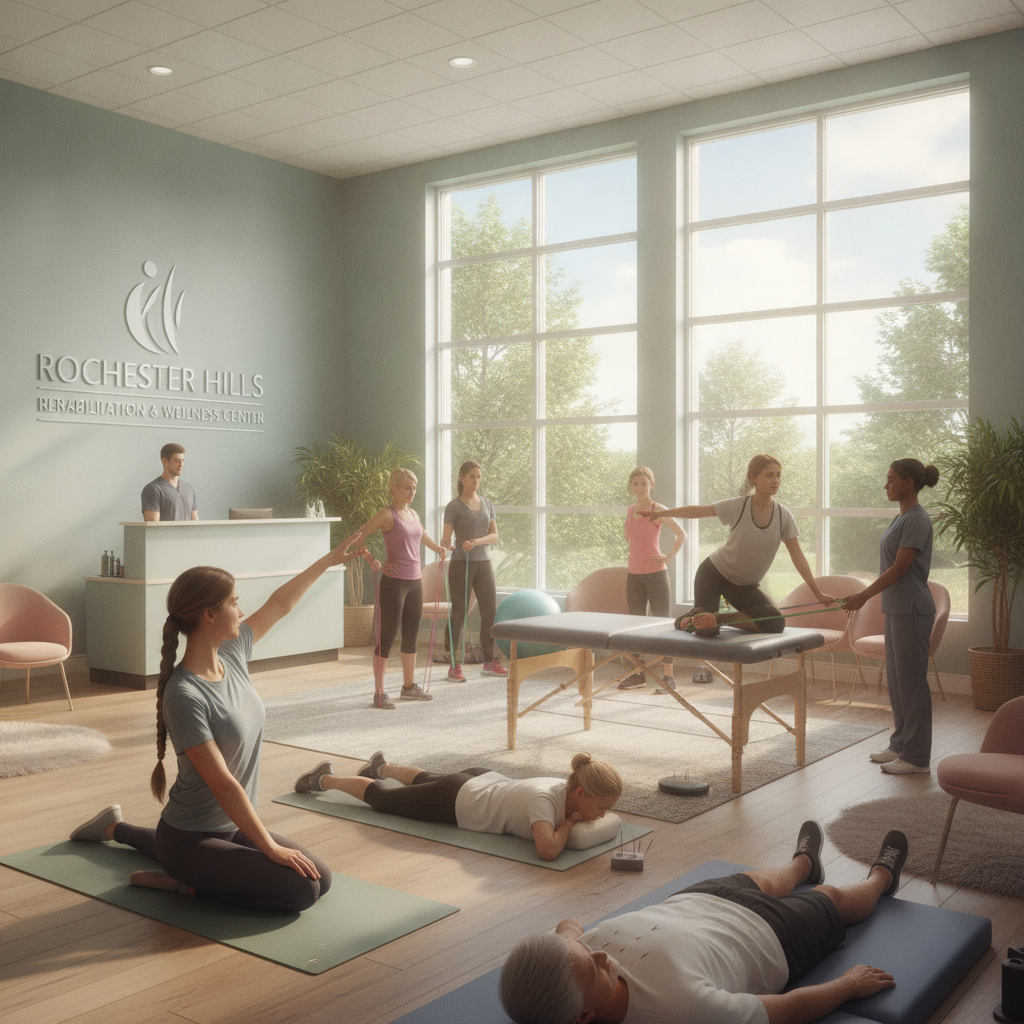
Sciatica can disrupt every aspect of your daily life, from working at your desk to enjoying time with family. For those seeking sciatica treatment Rochester Hills MI residents often want to avoid surgery and its lengthy recovery. The good news is that non-surgical options have evolved dramatically, offering relief, improved mobility, and a path back to normal activities. In this guide, we’ll explore how these non-invasive treatments work, compare their effectiveness, and help you understand which options might be right for you. Whether you’re a small business owner trying to stay productive, a developer glued to your screen, or simply someone tired of persistent nerve pain, you’ll find practical insights and actionable advice ahead.
Understanding Sciatica and Its Impact
Sciatica is more than just back pain. It’s a specific condition caused by irritation or compression of the sciatic nerve, which runs from the lower back down each leg. The hallmark symptoms include sharp, shooting pain, tingling, numbness, or weakness that radiates from the lower back through the buttock and down the leg. For many in the area, these symptoms can make even simple tasks, like walking, sitting, or driving, almost unbearable.
The causes of sciatica are varied. Herniated discs, spinal stenosis, degenerative disc disease, and even muscle spasms can all put pressure on the sciatic nerve. While the pain may come and go, chronic or severe cases can lead to long-term discomfort and reduced quality of life. Early intervention is key, as untreated sciatica can lead to further nerve damage or muscle weakness over time.
Understanding the root cause of your sciatica is the first step towards effective treatment. Diagnostic tools such as physical exams, MRI, or CT scans can help pinpoint the source of nerve compression. Once identified, a tailored treatment plan can be created to address your specific needs and lifestyle goals.
For those seeking guidance on where to begin, Delta Chiropractic offers thorough assessments and can help you navigate the best course of action for your situation.
How Non-Surgical Sciatica Treatments Work
Non-surgical treatments for sciatica focus on relieving nerve pressure, reducing inflammation, and restoring normal movement without the risks and downtime associated with surgery. These approaches are generally preferred as a first line of defense, especially for those with mild to moderate symptoms or those who wish to avoid invasive procedures.
Common non-surgical methods include physical therapy, chiropractic adjustments, targeted exercises, massage therapy, and medication management. Each of these therapies has its own strengths, and they are often combined for a comprehensive approach. The goal is not just to mask the pain, but to address the underlying cause and help prevent future flare-ups.
Many patients experience significant improvement within weeks of starting a non-surgical regimen. However, consistency and adherence to the recommended plan are crucial for lasting results. Your healthcare provider will monitor your progress and adjust your treatment as needed, ensuring that you’re on the right track to recovery.
Physical Therapy: Movement-Based Relief
Physical therapy is often the cornerstone of non-surgical sciatica care. A skilled physical therapist will design a personalized exercise program aimed at strengthening the muscles that support your spine, improving flexibility, and correcting posture issues that may be contributing to nerve compression.
Therapeutic exercises may include stretching routines, core stabilization, and low-impact aerobic activities. Manual therapy techniques, such as soft tissue mobilization and joint manipulation, can also help reduce pain and improve mobility. Over time, these interventions can decrease inflammation, relieve pressure on the sciatic nerve, and restore functional movement.
Physical therapy is especially effective for individuals who spend long hours sitting or performing repetitive motions, such as office workers and developers. By learning proper body mechanics and integrating healthy movement habits into your daily routine, you can reduce the risk of future episodes and maintain an active, pain-free lifestyle.
Chiropractic Adjustments: Targeting Spinal Alignment
Chiropractic care is another popular non-surgical approach for managing sciatica symptoms. Chiropractors use hands-on spinal adjustments to correct misalignments, improve joint mobility, and reduce nerve irritation. These adjustments are tailored to each patient’s unique anatomy and pain pattern, ensuring a safe and effective experience.
Many individuals report immediate relief following a chiropractic session, although a series of visits may be necessary for sustained improvement. By restoring proper alignment, chiropractic care can reduce tension in the surrounding muscles and tissues, further alleviating sciatic pain.
Chiropractic adjustments are often combined with other therapies, such as exercise and massage, for a more comprehensive treatment plan. This multidisciplinary approach can accelerate healing and help you return to your normal activities more quickly.
Massage Therapy for Sciatic Nerve Pain
Massage therapy is well-known for its ability to relax tight muscles, increase circulation, and promote overall well-being. For those suffering from sciatica, targeted massage can help release tension in the lower back, glutes, and legs, areas that often contribute to nerve compression.
Techniques such as deep tissue massage, trigger point therapy, and myofascial release are commonly used to address sciatic pain. By focusing on the muscles and connective tissues surrounding the sciatic nerve, massage therapy can reduce inflammation and improve mobility.
Regular sessions may also help manage stress, which can exacerbate pain and hinder recovery. When integrated with other non-surgical treatments, massage therapy can play a valuable role in a holistic approach to sciatica relief.
Medication Management: Pros and Cons
Medications are frequently used to manage sciatica symptoms, especially during acute flare-ups. Over-the-counter pain relievers such as acetaminophen or nonsteroidal anti-inflammatory drugs (NSAIDs) can help reduce pain and inflammation. In some cases, muscle relaxants or prescription medications may be recommended for short-term use.
While medications can provide quick relief, they do not address the underlying cause of sciatica and are not intended for long-term management. Prolonged use of painkillers can lead to side effects, dependence, or diminished effectiveness over time. For this reason, medication is best used as part of a broader, non-surgical treatment plan that includes physical therapy and lifestyle modifications.
Always consult with your healthcare provider before starting or changing any medication regimen. They can help you weigh the benefits and risks, ensuring that your treatment is both safe and effective.
Innovative Non-Surgical Techniques
Advancements in non-surgical care have introduced new options for sciatica relief. Techniques such as spinal decompression therapy, cold laser therapy, and electrical nerve stimulation (TENS) are gaining popularity for their ability to target pain at its source without invasive procedures.
Spinal decompression uses gentle traction to relieve pressure on the sciatic nerve, while cold laser therapy promotes tissue healing and reduces inflammation. TENS units deliver mild electrical impulses to disrupt pain signals, providing temporary relief for some patients. These methods are typically offered in specialized clinics and may be recommended for individuals who have not responded to more traditional therapies.
As with any treatment, results can vary. It’s important to discuss these options with your provider to determine if they are appropriate for your specific condition and health goals.
Comparing Non-Surgical Approaches: What Works Best?
With so many non-surgical options available, it can be challenging to determine which approach will deliver the best results. The effectiveness of each treatment depends on the underlying cause of your sciatica, the severity of your symptoms, and your overall health.
Physical therapy and chiropractic care are often considered foundational treatments, as they address both the symptoms and root causes of nerve compression. Massage therapy and innovative modalities like spinal decompression can provide additional relief, especially when used in combination. Medication is typically reserved for short-term symptom management, rather than long-term care.
The table below summarizes key non-surgical treatment options, highlighting their primary benefits and considerations:
| Treatment | Benefits | Considerations |
|---|---|---|
| Physical Therapy | Improves strength, flexibility, and posture; addresses root causes | Requires commitment and regular sessions |
| Chiropractic Care | Restores spinal alignment; reduces nerve irritation | Best when combined with other therapies |
| Massage Therapy | Relaxes muscles; reduces inflammation; promotes relaxation | Temporary relief; requires repeated sessions |
| Medication | Quick symptom relief | Does not address root cause; potential side effects |
| Spinal Decompression/Other Modalities | Targets nerve compression; non-invasive | Availability may vary; results differ by individual |
Ultimately, the best approach is one that is customized to your needs, preferences, and lifestyle. Working closely with a knowledgeable provider ensures that you receive the most effective, evidence-based care available.
Lifestyle Adjustments to Support Recovery
Beyond professional treatments, certain lifestyle changes can significantly enhance your recovery from sciatica. Maintaining a healthy weight, engaging in regular low-impact exercise, and practicing good posture all contribute to spinal health and reduce the risk of recurring pain.
For those with sedentary jobs, taking frequent breaks to stand, stretch, and move can relieve pressure on the lower back. Ergonomic workstations, supportive chairs, and proper lifting techniques are also essential for protecting your spine. Smoking cessation and managing chronic conditions such as diabetes or arthritis can further support nerve health and overall well-being.
Small changes, when consistently applied, can make a big difference in your comfort and mobility. Your healthcare provider can offer personalized recommendations based on your unique situation and goals.
When to Consider Escalating Care
While non-surgical treatments are effective for most people, there are cases where symptoms persist or worsen despite conservative care. If you experience severe pain, progressive muscle weakness, loss of bladder or bowel control, or symptoms that interfere with daily functioning, it’s important to seek prompt medical attention.
Advanced imaging or specialist consultation may be necessary to determine if surgical intervention is required. Fortunately, most individuals respond well to non-surgical options and only a small percentage ultimately need surgery. Early intervention and open communication with your care team are key to achieving the best possible outcome.
Final Thoughts
Living with sciatica can be challenging, but you have more options than ever before to find relief and regain your quality of life. Non-surgical treatments offer effective, personalized solutions that address both the symptoms and causes of nerve pain. By understanding your condition, exploring available therapies, and making supportive lifestyle changes, you can take control of your recovery journey. Remember, working with experienced providers in this community ensures you receive care tailored to your unique needs. Take the first step toward a pain-free future by exploring your non-surgical options and prioritizing your spinal health.