

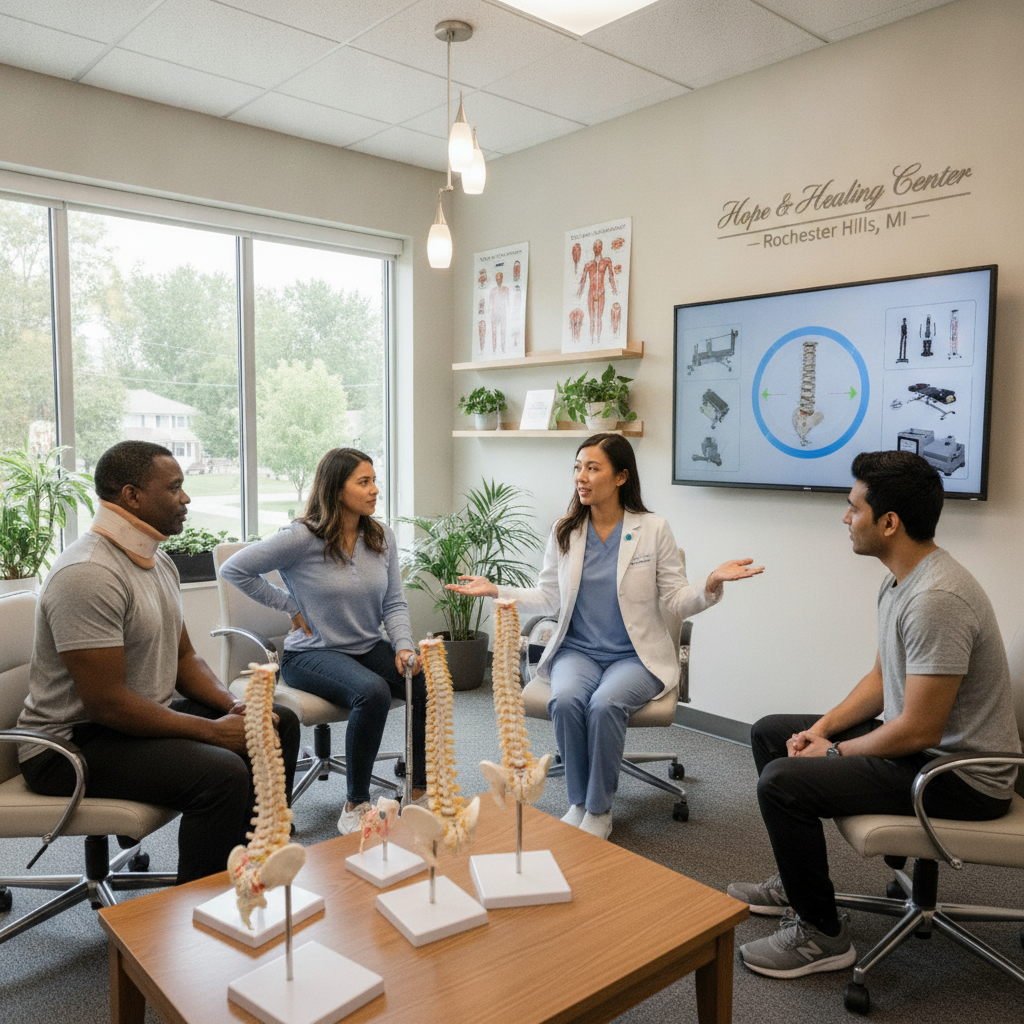
If you’ve ever experienced sharp, burning pain radiating from your lower back down your leg, you know how disruptive sciatica can be. For many people, this pain is caused by a herniated disc pressing on the sciatic nerve. Sciatica can make daily tasks, work, and even restful sleep a challenge. Fortunately, there are a range of sciatica treatment options available in Rochester Hills, MI, designed to help you get back to your life with less pain and more mobility. Whether you’re a small business owner trying to stay productive, a developer spending long hours at a desk, or simply someone seeking relief, understanding your options is the first step toward recovery. In this comprehensive guide, we’ll explore what causes sciatica and herniated discs, how they’re diagnosed, and the most effective treatment paths available locally and beyond. You’ll learn about conservative care, advanced therapies, and when surgery might be considered, so you can make informed decisions about your spinal health.
Understanding Sciatica and Herniated Discs
Sciatica is not a condition itself, but a symptom resulting from irritation or compression of the sciatic nerve. The sciatic nerve is the longest nerve in your body, running from your lower back through your hips and buttocks and down each leg. When a herniated disc occurs, meaning the soft inner gel of a spinal disc pushes out through a tear in the tougher exterior, it can put pressure on the sciatic nerve. This is a common cause of sciatica, but not the only one. Other spinal issues like bone spurs, spinal stenosis, or even muscle inflammation can also lead to sciatic pain.
Symptoms often include sharp, shooting pain in the lower back, buttock, or leg, numbness or tingling, and sometimes muscle weakness. The pain can range from mild to severe, and it may worsen after sitting, standing, or sudden movements. Recognizing these symptoms early and seeking professional evaluation is crucial for effective treatment and long-term relief. For those in the area, Delta Chiropractic offers expert assessment and guidance to help pinpoint the root cause of your discomfort and recommend appropriate care.
How Sciatica Impacts Daily Life
Living with sciatica can affect every part of your day. For small business owners, sciatica may interfere with the ability to oversee operations, meet clients, or manage physical tasks. Developers and desk workers often find that prolonged sitting or poor posture exacerbates their symptoms, leading to decreased productivity and increased frustration. Even general readers who enjoy active hobbies or family time may find themselves sidelined by pain or limited mobility.
Beyond the physical discomfort, persistent sciatica can impact mental well-being. Chronic pain is linked to higher rates of anxiety, depression, and sleep disturbances. The frustration of not being able to perform everyday activities, like driving, exercising, or even walking short distances, can take a toll. That’s why early intervention and a personalized treatment plan are essential. Fortunately, there are Non-Surgical Back Pain Relief Options in Rochester Hills, MI that can help restore your quality of life without the need for invasive procedures.
Diagnosis: Pinpointing the Source of Sciatic Pain
Accurate diagnosis is the cornerstone of effective sciatica treatment. Doctors and chiropractors begin with a thorough medical history and physical examination, focusing on your symptoms, activity level, and any previous injuries. They may assess your reflexes, muscle strength, and the pattern of pain or numbness to determine if the sciatic nerve is involved.
Imaging studies such as MRI or CT scans are often used to confirm the presence of a herniated disc or other structural issues. These images help healthcare providers identify the exact location and severity of nerve compression. In some cases, nerve conduction studies may be performed to evaluate how well electrical signals are traveling along the sciatic nerve.
The goal is to distinguish between sciatica caused by a herniated disc and other potential sources of nerve irritation. This ensures that your treatment plan is tailored to your unique needs. For those seeking a comprehensive evaluation, the Top Chiropractor in Rochester Hills, MI for Personalized Spinal Care can help guide you through the diagnostic process and recommend the most effective interventions.
Conservative Care: First-Line Treatments for Sciatica
Most cases of sciatica respond well to conservative, non-surgical treatments. These approaches are designed to relieve pain, reduce inflammation, and promote natural healing. Rest and activity modification are often recommended in the early stages to prevent further irritation. Over-the-counter pain relievers and anti-inflammatory medications can offer short-term relief, but they are not a long-term solution.
Physical therapy is a cornerstone of conservative care. A skilled therapist will design a customized exercise program to strengthen the muscles supporting your spine, improve flexibility, and correct posture. Stretching and mobility exercises can help reduce nerve tension and prevent future flare-ups. Heat and cold therapy, gentle massage, and manual adjustments may also be incorporated to alleviate discomfort.
Many residents find that lifestyle modifications, such as ergonomic workstations, regular movement breaks, and improved lifting techniques, make a significant difference in managing symptoms. These strategies empower you to take an active role in your recovery and reduce the risk of recurrence.
Chiropractic Approaches to Sciatica Relief
Chiropractic care offers a non-invasive, drug-free approach to managing sciatica and herniated disc symptoms. Chiropractors use spinal adjustments to improve alignment, reduce nerve pressure, and enhance mobility. These gentle manipulations are tailored to your specific needs and comfort level, with the goal of restoring proper function to the spine and nervous system.
In addition to adjustments, chiropractors may incorporate soft tissue therapies, stretching, and rehabilitative exercises into your care plan. Education on posture, ergonomics, and movement patterns is also a key component, helping you maintain results between visits. Many patients report significant improvements in pain, flexibility, and overall well-being after a series of chiropractic sessions.
For those who prefer a holistic, hands-on approach to sciatica treatment, chiropractic care can be an effective and empowering option. It’s especially beneficial for individuals seeking to avoid the side effects of medication or the risks associated with surgery.
Physical Therapy: Building Strength and Flexibility
Physical therapy is a vital part of the recovery process for sciatica caused by herniated discs. Therapists focus on exercises that strengthen the core, lower back, and leg muscles, which support the spine and reduce pressure on the sciatic nerve. Flexibility and mobility exercises help restore normal movement patterns and decrease stiffness.
A typical physical therapy program may include:
- Core stabilization exercises to support the lumbar spine
- Stretching routines for hamstrings, glutes, and hip flexors
- Aerobic conditioning to improve overall fitness
- Education on body mechanics and posture
Therapists also teach patients how to modify daily activities to avoid aggravating their symptoms. By gradually increasing activity levels and building resilience, physical therapy helps prevent future episodes of sciatica and promotes long-term spinal health.
Advanced Non-Surgical Treatments for Persistent Pain
For those who do not find relief with basic conservative care, there are advanced non-surgical options available. Epidural steroid injections are commonly used to reduce inflammation around the irritated nerve root, providing temporary pain relief that allows for more effective participation in physical therapy. Nerve blocks and other minimally invasive procedures may also be considered for severe or stubborn cases.
Other therapies include spinal decompression, which uses gentle traction to relieve pressure on the discs and nerves, and transcutaneous electrical nerve stimulation (TENS), which can help modulate pain signals. These treatments are typically performed in specialized clinics or under the supervision of a pain management specialist.
It’s important to note that while these interventions can provide significant relief, they are usually part of a broader treatment plan that includes exercise, education, and lifestyle changes. The goal is to address both the symptoms and the underlying causes of sciatica for lasting results.
When Surgery Becomes an Option
Surgery is generally reserved for cases where conservative and non-surgical treatments have failed, or when symptoms are severe and progressive. Indications for surgical intervention include significant weakness, loss of bladder or bowel control, or persistent, disabling pain that interferes with daily life.
The most common surgical procedure for herniated discs causing sciatica is a microdiscectomy. This minimally invasive operation involves removing the portion of the disc that is pressing on the nerve, relieving pressure and allowing the nerve to heal. Recovery times are typically shorter than with traditional open surgery, and many patients experience rapid improvement in symptoms.
While surgery can be highly effective for selected patients, it is not without risks. Complications such as infection, nerve injury, or recurrent disc herniation can occur. That’s why it’s important to exhaust all conservative options before considering surgical intervention, and to work closely with your healthcare team to determine the best path forward.
Comparing Treatment Approaches: What to Expect
With so many treatment options available, it can be challenging to determine which approach is right for you. The following table provides a side-by-side comparison of common sciatica treatments, highlighting their benefits, drawbacks, and typical recovery timelines. This overview can help you discuss options with your healthcare provider and set realistic expectations for your recovery journey.
| Treatment | Benefits | Drawbacks | Typical Recovery Time |
|---|---|---|---|
| Physical Therapy | Improves strength, flexibility, and posture | Requires commitment and time | 4–12 weeks |
| Chiropractic Care | Non-invasive, drug-free pain relief | May require multiple visits | 2–8 weeks |
| Epidural Steroid Injections | Rapid pain reduction | Temporary relief, possible side effects | 1–4 weeks |
| Surgery (Microdiscectomy) | Immediate nerve decompression | Surgical risks, recovery time | 2–6 weeks |
Remember, each person’s experience with sciatica is unique. Your recovery may be faster or slower depending on the severity of your condition, your overall health, and your commitment to the treatment plan.
Lifestyle Adjustments to Support Healing
Making thoughtful changes to your daily routine can greatly enhance your recovery from sciatica and herniated discs. Simple steps like adjusting your workstation, taking frequent breaks to stand and stretch, and practicing proper lifting techniques can reduce strain on your spine. Maintaining a healthy weight, staying physically active, and focusing on core strength are all proven strategies for preventing future flare-ups.
Pay attention to how you move throughout the day. Avoid prolonged sitting or standing, and use supportive chairs or cushions when needed. Incorporate gentle stretching and low-impact activities like walking, swimming, or yoga to keep your muscles flexible and engaged. These small adjustments, when practiced consistently, can make a big difference in your comfort and long-term spinal health.
Choosing the Right Provider for Your Needs
Selecting the right healthcare provider is a crucial step in your recovery journey. Look for professionals who take a comprehensive, patient-centered approach and who are experienced in treating sciatica and herniated discs. Ask about their diagnostic process, treatment philosophy, and the range of therapies they offer. Communication and comfort are key, choose a provider who listens to your concerns, answers your questions, and involves you in decision-making.
Many people in this community find that a combination of chiropractic care, physical therapy, and medical management provides the best results. Don’t hesitate to seek a second opinion if you’re unsure about your diagnosis or treatment plan. Your health and well-being deserve careful, individualized attention.
The Road Ahead
Sciatica and herniated discs can be daunting, but with the right information and support, most people find meaningful relief and regain their active lifestyles. From conservative care and chiropractic adjustments to advanced therapies and, when necessary, surgery, there are many effective treatment options available for residents of Rochester Hills and the surrounding area. The key is to seek early evaluation, follow a tailored treatment plan, and make lasting lifestyle changes that support spinal health. Remember, recovery is a journey, take it one step at a time, and don’t hesitate to reach out to qualified professionals for guidance and encouragement along the way.