

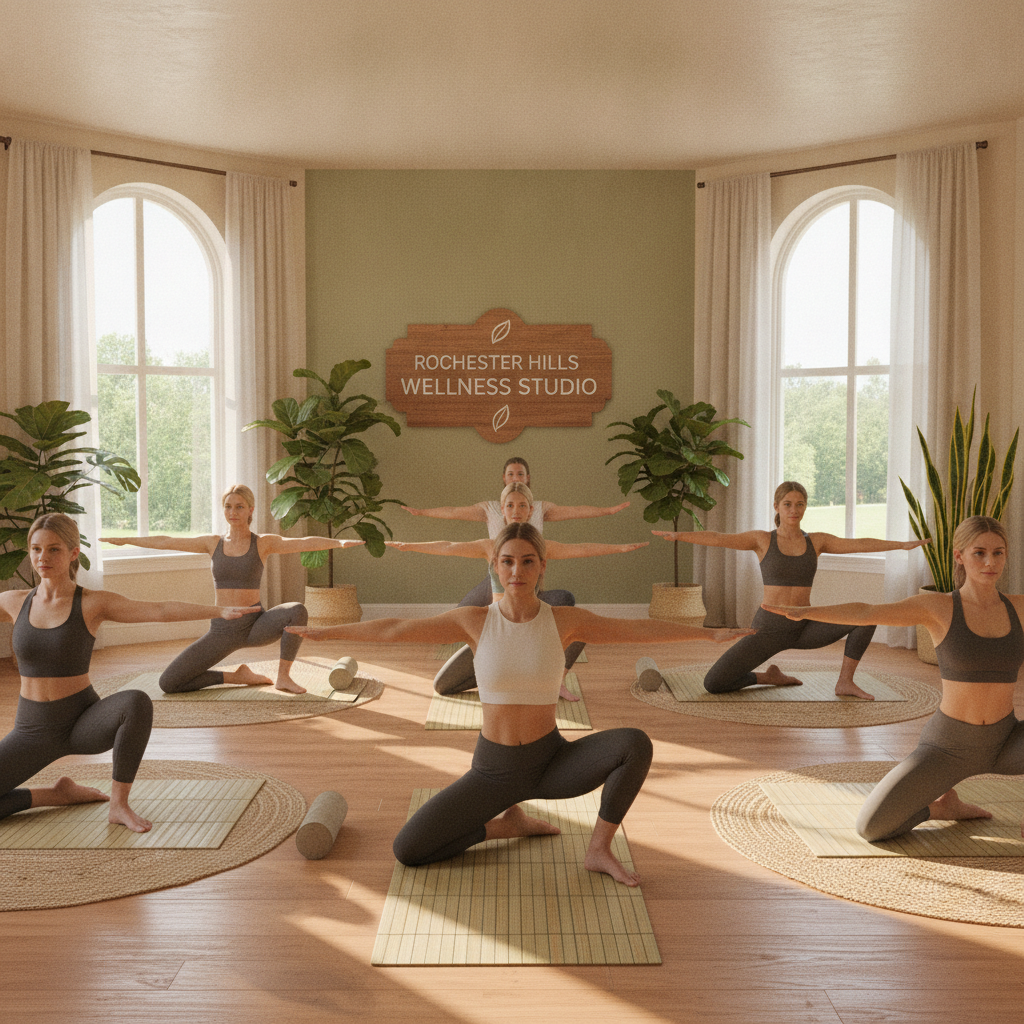
Back pain is a common challenge for small business owners, developers, and residents in any bustling community. For those seeking back pain relief in Rochester Hills MI, understanding the root causes of discomfort and the role of posture is critical. Whether you spend long hours at a desk, manage a retail space, or juggle multiple roles, poor posture can quietly undermine your productivity and well-being. The good news? With practical posture correction strategies, you can reduce pain, improve your quality of life, and set a positive example for your team or family. This guide explores the science of posture, actionable tips, and local insights to help you find sustainable relief, no matter your daily routine.
Why Posture Matters for Back Health
Posture is more than just standing up straight. It’s the foundation for how your body distributes weight, absorbs shock, and moves throughout the day. When posture is compromised, the spine, muscles, and joints work overtime to compensate. Over time, this can lead to chronic back pain, fatigue, and even headaches. For small business owners and developers who often work at computers or on their feet, the risks are even higher. Slouching, craning your neck, or standing with uneven weight distribution can cause muscular imbalances and strain. The ripple effect can impact productivity, mood, and overall health.
Research shows that correcting posture doesn’t just alleviate pain, it can also prevent future injuries. By being mindful of your alignment, you’re investing in long-term health. Local clinics like Delta Chiropractic often emphasize posture education as a cornerstone of back pain management, helping residents take control of their well-being.
Recognizing Everyday Posture Pitfalls
It’s easy to overlook the small habits that erode posture over time. From hunching over a laptop to carrying heavy bags on one shoulder, these daily actions add up. Office workers may find themselves leaning forward to see screens, while those in retail or service industries often twist or bend awkwardly when assisting customers. Even at home, lounging on a soft couch or reading in bed can encourage poor alignment.
Identifying these posture pitfalls is the first step toward meaningful change. Pay attention to how you sit, stand, and move during your most common tasks. Are your shoulders rounded? Is your head jutting forward? Do you cross your legs or lean to one side? By becoming aware of these tendencies, you can start to make small adjustments that add up to big improvements. For more targeted advice, check out Back Pain Relief for Office Workers in Rochester Hills, MI: Ergonomics and Movement Fixes for practical ergonomic solutions.
The Science Behind Posture Correction
Correcting posture isn’t just about appearance, it’s about biomechanics. The spine’s natural curves are designed to absorb shock and distribute weight evenly. When these curves are exaggerated or flattened by poor posture, stress accumulates in the muscles and ligaments. Over time, this can lead to pain, stiffness, and even nerve irritation.
Physical therapy and chiropractic care often focus on restoring proper alignment and muscle balance. Therapists use exercises, stretches, and manual techniques to retrain the body. For those who live locally, How Physical Therapy Helps Back Pain Sufferers in Rochester Hills, MI offers insight into how these interventions can support posture correction and pain relief. The key is consistency, small, repeated actions that reinforce healthy habits.
Setting Up a Spine-Friendly Workspace
Your workspace plays a significant role in how your body feels at the end of the day. Whether you work from a home office, a shared space, or on-site, ergonomic adjustments can make a world of difference. Start by ensuring your chair supports your lower back and allows your feet to rest flat on the floor. Your monitor should be at eye level, and your keyboard and mouse should be within easy reach to avoid overreaching or straining your wrists.
Standing desks can offer variety, but it’s important to alternate between sitting and standing to prevent fatigue. Use a footrest or anti-fatigue mat if you stand for long periods. Remember to keep frequently used items within arm’s reach and take regular breaks to stretch and reset your posture. These simple changes can help reduce the risk of back pain and promote sustained comfort throughout your workday.
Movement Breaks and Micro-Exercises
Even the best posture can’t compensate for hours of uninterrupted sitting or standing. That’s why movement breaks are essential for back health. Micro-exercises, short, simple movements performed throughout the day, can help relieve tension, improve circulation, and reinforce good habits.
Try setting a timer to remind yourself to stand, stretch, or walk every 30 to 60 minutes. Shoulder rolls, neck stretches, and gentle twists can be done right at your desk. For those on their feet all day, calf raises and ankle circles can reduce fatigue. These small actions not only support posture but also boost energy and focus, making them a win-win for busy professionals and business owners alike.
The Role of Footwear and Daily Habits
Footwear may not be the first thing you consider when thinking about posture, but it has a direct impact on spinal alignment. Shoes that lack support or have high heels can alter your gait, causing compensations up the kinetic chain. Over time, this can contribute to back pain and poor posture.
Opt for shoes with proper arch support and cushioning, especially if you spend long hours standing or walking. At home, avoid prolonged barefoot walking on hard surfaces. Other daily habits, like how you lift objects or carry bags, also influence posture. Always bend at the knees and keep objects close to your body when lifting. Switch shoulders frequently if you carry a bag, and consider using a backpack to distribute weight evenly.
Simple Stretches to Support Better Alignment
Incorporating stretching into your daily routine can help counteract the effects of poor posture. Focus on stretches that open the chest, lengthen the spine, and release tension in the hips and hamstrings. Examples include the chest opener, seated spinal twist, and standing hamstring stretch. Hold each stretch for 20 to 30 seconds, breathing deeply to enhance relaxation and flexibility.
Yoga and Pilates are excellent practices for developing body awareness and core strength, both of which support posture correction. Even a few minutes of stretching each day can make a noticeable difference in how your back feels. Remember, consistency is key, make stretching a non-negotiable part of your morning or evening routine.
How Stress and Mindset Affect Your Posture
Stress doesn’t just affect your mind, it shows up in your body, too. When you’re tense or anxious, you may unconsciously hunch your shoulders, clench your jaw, or hold your breath. Over time, these physical responses can reinforce poor posture and contribute to back pain.
Mindfulness strategies, such as deep breathing and body scans, can help you become more aware of tension and encourage relaxation. Taking a few moments throughout the day to check in with your posture and reset your alignment can break the cycle of stress-related pain. Prioritizing self-care and setting boundaries around work can also reduce the physical toll of daily pressures.
When to Seek Professional Guidance
While self-care strategies are effective for many, some cases of back pain require professional intervention. If you experience persistent or worsening pain, numbness, tingling, or weakness, it’s important to consult a healthcare provider. Chiropractors, physical therapists, and orthopedic specialists can assess your posture, identify underlying issues, and develop a personalized treatment plan.
In the neighborhood, there are several reputable clinics and practitioners who specialize in posture correction and back pain relief. Don’t hesitate to seek help if your symptoms interfere with daily activities or quality of life. Early intervention can prevent minor issues from becoming chronic problems.
Comparing Posture Correction Tools and Techniques
There is a wide range of tools and techniques available to support posture correction. From wearable posture trainers to ergonomic chairs and foam rollers, each option offers unique benefits. The table below compares some of the most popular solutions, highlighting their features and ideal use cases.
| Tool/Technique | Key Benefits | Best For |
|---|---|---|
| Posture Corrector Brace | Provides gentle support, reminds you to stay upright | Short-term use, building awareness |
| Ergonomic Chair | Supports lumbar curve, reduces slouching | Desk workers, long sitting periods |
| Foam Roller | Releases muscle tension, improves flexibility | Post-exercise recovery, daily stretching |
| Standing Desk | Encourages movement, reduces static posture | Alternating between sitting and standing |
| Core Strengthening Exercises | Stabilizes spine, improves balance | Long-term posture improvement |
Selecting the right tool depends on your specific needs, lifestyle, and any underlying conditions. It’s often helpful to combine several techniques for the best results. Consulting with a professional can also ensure you’re using these tools safely and effectively.
Building Lasting Habits for Pain-Free Living
Posture correction is not a one-time fix, it’s a lifelong commitment to mindful movement and self-care. Start by choosing one or two strategies from this guide and integrating them into your daily routine. Track your progress, celebrate small wins, and adjust as needed. Over time, these habits will become second nature, reducing your risk of back pain and supporting your overall health.
Encourage your colleagues, employees, or family members to join you in prioritizing posture. Group challenges, reminders, or shared stretching breaks can foster a culture of wellness in any setting. Remember, change takes time, but every step you take brings you closer to a pain-free, active lifestyle.
Final Thoughts
Back pain doesn’t have to be a fact of life for business owners, developers, or anyone in this vibrant community. By understanding the impact of posture and implementing practical correction strategies, you can take control of your comfort and well-being. From workspace adjustments to mindful movement and professional support, every action counts. If you’re seeking back pain relief in Rochester Hills MI or the surrounding area, remember that small, consistent changes can yield lasting results. Prioritize your health, stay proactive, and inspire those around you to do the same, your back will thank you for it.