

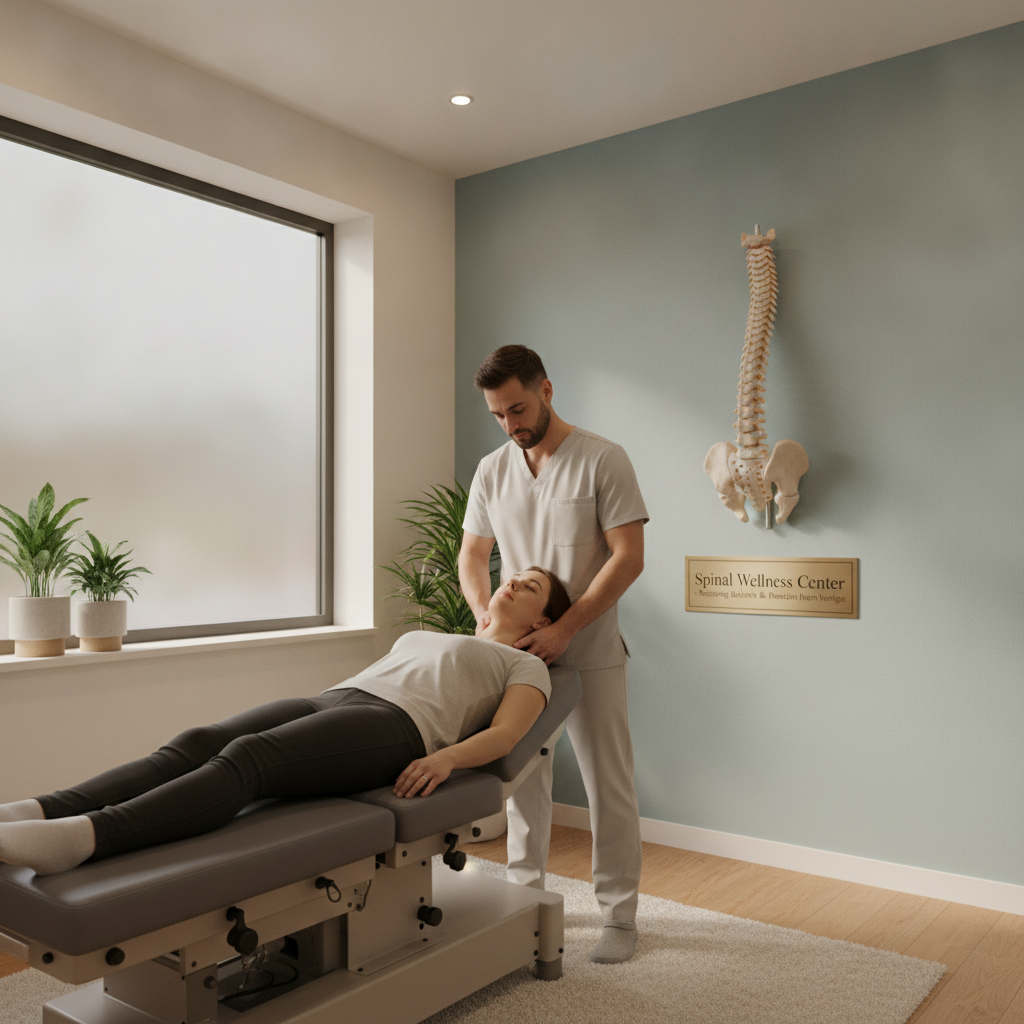
Feeling unsteady on your feet or experiencing sudden dizzy spells can disrupt your daily life and leave you searching for answers. For many in the area, vertigo and balance issues are more than just fleeting annoyances, they can impact work, hobbies, and even simple tasks like walking across a room. While traditional medical routes often focus on symptom management, a growing number of people are exploring holistic options to address the root causes. One such approach is seeking care from a chiropractor Rochester Hills residents trust for comprehensive, noninvasive support. This article explores why so many locals are turning to chiropractic for relief from vertigo and balance concerns, what makes this approach unique, and how it may offer hope for those struggling to regain their equilibrium.
Understanding Vertigo and Balance Disorders
Vertigo is more than just feeling dizzy, it’s the sensation that you or your surroundings are spinning, often accompanied by nausea and difficulty maintaining balance. Balance disorders, on the other hand, can manifest as unsteadiness, frequent falls, or a persistent feeling of being off-kilter. These issues can stem from a variety of causes, including inner ear disturbances, nervous system dysfunction, or even musculoskeletal misalignments. For individuals navigating these symptoms, daily life can become unpredictable and stressful. Recognizing the difference between occasional lightheadedness and chronic balance challenges is crucial for seeking the right kind of help. With so many potential triggers, it’s no wonder that people are searching for solutions that go beyond surface-level symptom relief.
How Chiropractic Care Addresses Underlying Causes
Chiropractic care stands out by focusing on the body’s structure, particularly the spine and nervous system, as a foundation for overall wellness. Many balance and vertigo issues can be traced back to misalignments in the cervical spine, which can disrupt nerve signals and affect the body’s sense of orientation. By using gentle adjustments and targeted therapies, chiropractors aim to restore proper alignment and improve communication between the brain and body. This holistic approach doesn’t just mask symptoms, it seeks to correct the underlying dysfunction. For those who have tried medications or other therapies with limited success, chiropractic care in Rochester Hills offers a different path to lasting relief and improved quality of life.
Common Triggers for Vertigo and Balance Problems
Vertigo and balance disorders can arise from a surprising array of sources. Inner ear infections, head injuries, and even certain medications can all play a role. However, less obvious contributors, such as poor posture, neck tension, or spinal misalignment, are often overlooked. Everyday habits like spending hours hunched over a computer or carrying heavy bags on one shoulder can subtly shift the body’s alignment, setting the stage for balance issues. Stress and fatigue may also exacerbate symptoms, making it harder for the body to compensate. For many, addressing these triggers with the help of Delta Chiropractic Rochester Hills can be the missing piece in their journey to stability and comfort.
What to Expect During a Chiropractic Evaluation
A thorough chiropractic evaluation for vertigo and balance concerns goes beyond a simple checkup. The process typically starts with a detailed health history and a discussion of your symptoms. Next, the chiropractor will assess your posture, spinal alignment, and range of motion, looking for subtle imbalances that might be affecting your equilibrium. Specialized tests, such as balance assessments or neurological exams, may also be performed to pinpoint the root cause. This comprehensive approach ensures that no contributing factor is overlooked. For those searching for a Chiropractor in Rochester Hills, MI, this level of personalized attention can make all the difference in finding effective solutions tailored to your unique needs.
Personalized Treatment Plans for Balance Restoration
No two cases of vertigo or balance issues are exactly alike, which is why personalized treatment is essential. After a thorough evaluation, chiropractors design a care plan that may include spinal adjustments, targeted exercises, and lifestyle recommendations. These interventions are aimed at correcting misalignments, improving muscle coordination, and supporting the nervous system’s ability to process sensory information. Some patients may also benefit from vestibular rehabilitation or soft tissue therapies. By addressing the specific factors contributing to each individual’s symptoms, chiropractic care provides a tailored approach that goes beyond generic advice. This commitment to customization is a key reason why so many in the community choose chiropractic as part of their recovery journey.
The Role of the Cervical Spine in Balance
The cervical spine, or neck region, plays a pivotal role in maintaining balance and spatial awareness. Nerves in this area transmit crucial information between the brain and the rest of the body, helping to coordinate movement and orientation. When the cervical spine is misaligned due to injury, poor posture, or chronic tension, these signals can become disrupted. This may lead to dizziness, unsteadiness, or even frequent falls. Chiropractors are trained to identify and correct these misalignments through gentle adjustments, which can restore proper nerve function and improve balance. Understanding the importance of the cervical spine helps explain why chiropractic care is often effective for those struggling with vertigo and related symptoms.
Lifestyle Changes That Support Lasting Results
Chiropractic care doesn’t end when you leave the office. To maintain progress and prevent future episodes, lifestyle adjustments are often recommended. Simple changes like improving ergonomics at work, practicing good posture, and incorporating balance exercises into your daily routine can make a significant difference. Managing stress, staying hydrated, and getting adequate sleep also support nervous system health. For those who spend long hours at a desk or on their feet, regular movement breaks and stretches can help counteract the effects of repetitive strain. By combining hands-on care with practical self-care strategies, patients are empowered to take an active role in their recovery and long-term well-being.
When to Seek Medical Referral for Dizziness
While many cases of vertigo and balance issues respond well to chiropractic care, there are situations where a medical referral is necessary. Sudden, severe dizziness accompanied by vision changes, chest pain, or difficulty speaking may indicate a more serious underlying condition. Persistent symptoms that do not improve with conservative care should also be evaluated by a medical professional. Chiropractors are trained to recognize red flags and collaborate with other healthcare providers to ensure patients receive the most appropriate care. For more information on this topic, see How Rochester Hills Patients Can Tell When Sciatica Needs a Medical Referral. Prompt evaluation and intervention can help prevent complications and support a safe recovery.
Comparing Chiropractic to Other Approaches
When it comes to managing vertigo and balance concerns, patients have several options. Conventional medicine often relies on medications to suppress symptoms, while physical therapy focuses on exercises to improve stability. Chiropractic care offers a unique blend of hands-on adjustments and holistic strategies that target both the musculoskeletal and nervous systems. For many, this integrative approach fills a gap left by other treatments, especially when symptoms persist despite medication or standard therapy. By addressing structural and neurological factors, chiropractic can complement other modalities or serve as a standalone solution. Understanding the strengths and limitations of each approach helps patients make informed decisions about their care.
Real-Life Success Stories from the Community
Many local residents have found relief from chronic dizziness and instability through chiropractic care. While each journey is unique, common themes emerge: improved confidence, reduced fear of falling, and a return to favorite activities. Some patients report that after years of searching for answers, chiropractic adjustments provided the breakthrough they needed. Others appreciate the collaborative, patient-centered approach that emphasizes education and empowerment. These stories highlight the potential for meaningful change, even when other treatments have fallen short. For those considering chiropractic for vertigo or balance issues, hearing about real-world results can be both reassuring and inspiring.
Frequently Asked Questions About Chiropractic and Balance
| Question | Answer |
|---|---|
| Can chiropractic help all types of vertigo? | Chiropractic may help if vertigo is related to spinal misalignment or nerve dysfunction, but some cases require medical care. |
| How long does it take to see results? | Some patients notice improvement within a few sessions, while others need a longer course of care for lasting change. |
| Is chiropractic safe for seniors? | Yes, chiropractors use gentle techniques tailored to each patient’s age and health status, making care accessible for seniors. |
| Do I need a referral to see a chiropractor? | Most chiropractors accept patients without a referral, but check with your insurance provider for specific requirements. |
| What should I bring to my first appointment? | Bring a list of symptoms, any relevant medical records, and be prepared to discuss your health history in detail. |
Final Thoughts
Vertigo and balance concerns can be frustrating and even frightening, but they don’t have to define your daily life. For many in this community, chiropractic care offers a pathway to greater stability, confidence, and comfort. By addressing the root causes of imbalance, whether structural, neurological, or lifestyle-related, chiropractors provide a holistic alternative to symptom-focused treatments. If you or someone you know is struggling with dizziness or unsteadiness, consider exploring this gentle, noninvasive approach. With personalized care, practical guidance, and a commitment to long-term well-being, chiropractic may be the missing link in your journey toward better balance and a more active, fulfilling life.