

If you’re a small business owner, developer, or anyone who spends long hours at a desk, you know how challenging it can be to manage discomfort after a day of sitting. Sciatica, a condition marked by pain radiating from the lower back down the leg, is especially common among professionals in sedentary roles. Finding effective sciatica treatment Rochester Hills residents can trust is crucial for staying productive and comfortable. In this guide, we’ll explore actionable strategies for relief, practical lifestyle adjustments, and how to make your workspace work for you. Whether you’re new to sciatica or have struggled with it for years, these tips are designed to help you move better, feel better, and get back to what matters most in your business and daily life.
Understanding Sciatica and Its Impact at Work
Sciatica is more than just a backache, it’s a nerve-related pain that can disrupt your entire workday. The sciatic nerve, the largest in the body, runs from the lower spine through the hips and down each leg. When compressed or irritated, it can cause sharp, burning, or tingling sensations. For professionals who sit for extended periods, the risk increases as prolonged sitting can tighten hip flexors and strain the lower back. Recognizing early signs, such as numbness or shooting pain after sitting, is key to preventing worsening symptoms. Many in the area have found relief by seeking support from Delta Chiropractic Rochester Hills, which offers tailored approaches for desk-bound professionals. Understanding how sciatica affects your work can motivate you to take proactive steps for both immediate relief and long-term prevention.
Why Sitting All Day Aggravates Sciatic Nerve Pain
Sitting for hours at a time puts significant pressure on the lower back, hips, and legs, which can compress the sciatic nerve. When your posture slumps or your chair lacks proper support, the risk of nerve irritation increases. Over time, muscle imbalances develop, leading to tightness in the hips and weakness in the glutes, both of which contribute to sciatica flare-ups. Even high-end office chairs can’t fully offset the effects of static sitting if you don’t move regularly. For those seeking back pain relief, it’s important to understand that small adjustments can make a big difference. For more information on how to address these issues, visit our site for practical tips and solutions. By identifying the root causes of your discomfort, you can start to implement changes that reduce pain and support nerve health.
Ergonomic Desk Setups for Sciatica Prevention
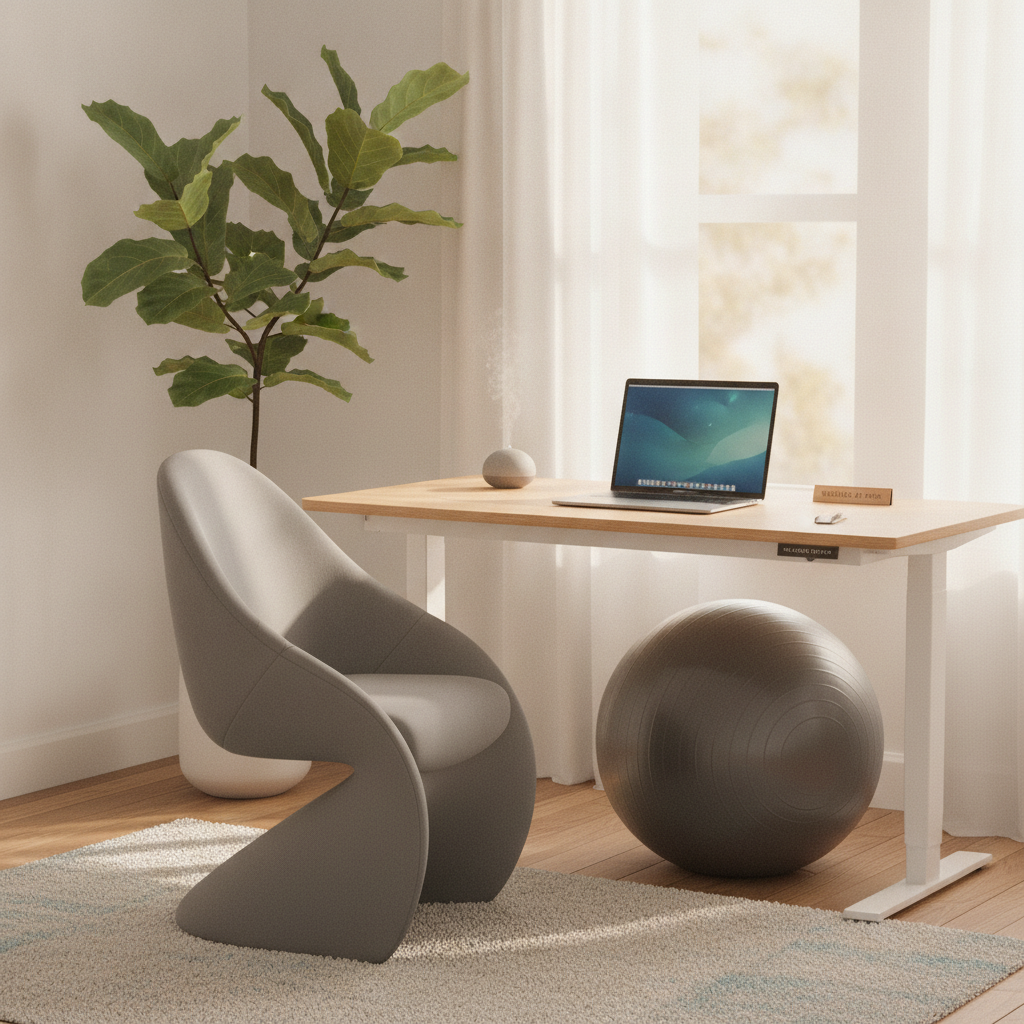
Optimizing your workspace is one of the most effective ways to prevent and manage sciatica. Start by adjusting your chair so your feet rest flat on the floor and your knees are level with your hips. Use a lumbar support cushion to maintain the natural curve of your spine, and keep your monitor at eye level to avoid slouching. If possible, consider a sit-stand desk to alternate between sitting and standing throughout the day. Regularly changing positions helps reduce pressure on the sciatic nerve and encourages better circulation. For those in this community who need additional guidance, consulting with a Chiropractor in Rochester Hills, MI can provide personalized advice on ergonomic improvements. Making these small adjustments can have a big impact on your comfort and productivity at work.
The Role of Movement Breaks in Sciatica Relief
Staying in one position for too long is a recipe for discomfort, especially for those with sciatica. Incorporating movement breaks into your day is essential for keeping your muscles flexible and your nerves happy. Set a timer to remind yourself to stand up and stretch every 30 to 60 minutes. Simple activities like walking to the water cooler, performing gentle hamstring stretches, or doing a few squats can help relieve pressure on the sciatic nerve. Movement also boosts circulation, which aids in healing and reduces inflammation. If you’re curious about how balance and movement relate to nerve health, check out Why Rochester Hills Patients Turn to Chiropractic for Vertigo and Balance Concerns for more insights. Making movement a regular part of your routine can significantly reduce sciatica symptoms and improve your overall well-being.
Stretching and Mobility Exercises You Can Do at Your Desk
You don’t need a gym membership to keep sciatica at bay, many effective stretches can be done right at your desk. Try seated figure-four stretches to open up your hips, or stand and perform gentle forward bends to release tension in your lower back. Incorporate ankle pumps and calf raises to keep your legs active and reduce stiffness. Consistency is key, so aim to stretch for a few minutes several times a day. These small efforts can help maintain flexibility, prevent muscle imbalances, and support nerve health. For more natural strategies that complement your in-office routine, explore Natural Ways to Support Sciatica Recovery Between Appointments in Rochester Hills. By integrating these exercises into your workday, you’ll find it easier to stay comfortable and focused, even during long stretches at your desk.
How Stress and Mental Fatigue Affect Sciatica
Stress isn’t just a mental burden, it can also have a direct impact on physical pain, including sciatica. When you’re under pressure, your muscles tend to tense up, particularly in the neck, shoulders, and lower back. This tension can exacerbate nerve compression and intensify discomfort. Mental fatigue may also make you less likely to maintain good posture or take movement breaks, compounding the problem. Practicing mindfulness, deep breathing, or short meditation sessions during the workday can help relax your muscles and calm your nervous system. Over time, managing stress effectively can reduce the frequency and severity of sciatica flare-ups. Remember, holistic well-being is crucial for both mental clarity and physical comfort, especially in demanding professional environments.
Nutrition Tips to Support Nerve Health
A balanced diet plays a significant role in nerve health and recovery from sciatica. Foods rich in anti-inflammatory properties, such as leafy greens, berries, and fatty fish, can help reduce swelling around the sciatic nerve. Magnesium, found in nuts and seeds, supports muscle relaxation and can ease cramps or spasms. Staying hydrated is equally important, as dehydration can worsen muscle tightness and discomfort. Limiting processed foods and sugars may also help minimize inflammation. While nutrition alone won’t cure sciatica, it’s a valuable part of a comprehensive approach to pain management. Consider keeping healthy snacks at your desk to support your energy and recovery throughout the workday.
When to Seek Professional Sciatica Treatment
While self-care strategies can be highly effective, there are times when professional help is necessary. If your pain persists for more than a week, worsens, or is accompanied by numbness, weakness, or loss of bladder control, it’s important to consult a healthcare provider. Chiropractic care, physical therapy, and other noninvasive treatments can address the root causes of sciatica and provide lasting relief. Local professionals are well-versed in tailoring treatments to the demands of desk-based work. Early intervention can prevent chronic issues and help you return to your daily activities with greater ease. Don’t hesitate to reach out if your symptoms interfere with your work or quality of life.
Adapting Your Routine After a Sciatica Flare-Up
Recovering from a sciatica flare-up requires patience and a willingness to adjust your daily habits. Start by easing back into your work routine with shorter periods of sitting and more frequent breaks. Gradually reintroduce gentle stretches and low-impact activities, such as walking or swimming, to rebuild strength and flexibility. Pay attention to your body’s signals and avoid activities that trigger pain. Consider modifying your workspace or using ergonomic accessories to prevent future flare-ups. Communicate with your team or clients about your needs if necessary, most people understand the importance of health and productivity. By making thoughtful adjustments, you can support your recovery and reduce the risk of recurring discomfort.
Comparing Common Sciatica Relief Strategies
| Strategy | Benefits | Considerations |
|---|---|---|
| Ergonomic Adjustments | Reduces nerve pressure, supports posture | Requires initial setup and habit changes |
| Stretching & Movement | Improves flexibility, relieves tension | Needs consistency for best results |
| Nutrition | Supports healing, reduces inflammation | Dietary changes may take time |
| Professional Care | Personalized treatment, faster relief | May require appointments and follow-up |
Each strategy offers unique benefits, and combining several approaches often leads to the best outcomes. Consider your lifestyle and preferences when choosing which methods to prioritize for your own sciatica relief plan.
Building a Supportive Work Culture for Back Health
A healthy workplace culture can make all the difference in managing sciatica. Encourage open conversations about pain and comfort, and advocate for ergonomic resources or flexible work arrangements when possible. Team leaders can support employees by promoting movement breaks, providing standing desks, or organizing wellness challenges. Sharing tips and resources among colleagues fosters a sense of community and helps everyone stay accountable to their health goals. Remember, small changes in workplace habits can have a big impact on overall well-being. By prioritizing back health as a team, you create a more productive and supportive environment for everyone.
Your Next Steps
Managing sciatica as a professional doesn’t have to mean giving up your productivity or comfort. By understanding the unique challenges of desk-based work, making ergonomic improvements, incorporating movement, and supporting your body with proper nutrition and stress management, you can significantly reduce discomfort. Remember, early intervention and consistent habits are key to preventing flare-ups and maintaining your quality of life. If your symptoms persist or worsen, don’t hesitate to seek out professional sciatica treatment Rochester Hills residents trust. Investing in your health today means you can continue to lead, innovate, and thrive in your business for years to come. Take these strategies to heart and make your workspace a place where you can truly feel your best every day.