

Living with disc pain can be a daily struggle, especially for small business owners, developers, and anyone balancing a busy lifestyle. The search for effective, non-surgical solutions often leads people to explore options beyond medication and invasive procedures. Mechanical traction has emerged as a promising therapy, and more people are turning to a chiropractor Rochester Hills residents trust for this gentle, targeted approach. In this article, we’ll break down what mechanical traction is, how it works, and why it’s gaining popularity as a non-surgical option for disc pain. Whether you’re new to chiropractic care or just looking for fresh alternatives to manage your discomfort, you’ll find practical insights and actionable information to help you take control of your back health. Let’s explore how mechanical traction could be the missing piece in your journey to lasting relief.
Understanding Mechanical Traction Therapy
Mechanical traction is a non-invasive therapy designed to relieve pressure on spinal discs and nerves. Unlike manual traction, which relies on a practitioner’s hands, mechanical traction uses specialized equipment to gently stretch the spine in a controlled manner. This process can help reduce pain caused by herniated or bulging discs, as well as other spinal conditions. Many patients find mechanical traction to be comfortable, with sessions typically lasting between 15 and 30 minutes. If you’re considering chiropractic services in Rochester Hills, mechanical traction might be recommended as part of a comprehensive care plan for disc pain.
How Mechanical Traction Eases Disc Pain
The primary goal of mechanical traction is to reduce the pressure that compressed discs place on surrounding nerves. By gently elongating the spine, traction creates negative pressure within the disc, which can help retract bulging material and promote healing. This decompression also increases blood flow and nutrient delivery to the affected area, supporting natural recovery. For those exploring disc pain relief options, mechanical traction offers a non-drug, non-surgical pathway that targets the root cause rather than just masking symptoms.
Who Can Benefit from Mechanical Traction?
Mechanical traction isn’t just for those with severe back pain. It can benefit anyone experiencing discomfort from herniated discs, degenerative disc disease, sciatica, or spinal stenosis. Small business owners and developers who spend long hours at desks or on their feet may be especially prone to disc-related issues. Consulting a Chiropractor in Rochester Hills, MI can help determine if traction is appropriate for your unique situation. Individual assessments ensure the therapy is tailored to your specific needs and health goals.
What to Expect During a Traction Session
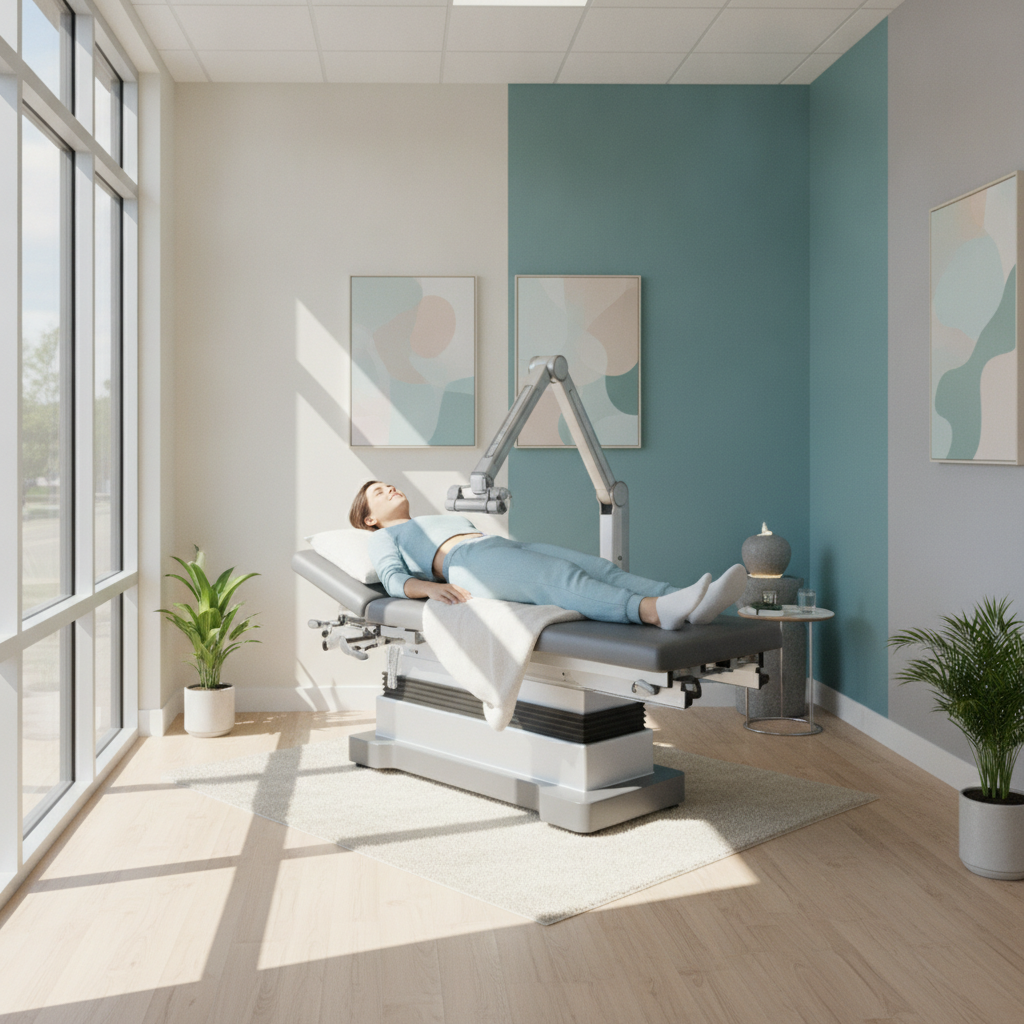
During a mechanical traction session, you’ll typically lie comfortably on a specialized table while the device applies gentle, rhythmic stretching to your spine. The process is closely monitored by a trained professional to ensure safety and comfort. Most patients report a sense of relief and relaxation during and after treatment. For those interested in learning more about how posture and movement affect nerve irritation, check out The Role of Posture Changes in Reducing Sciatic Nerve Irritation in Rochester Hills for additional insights.
Comparing Mechanical Traction to Other Chiropractic Techniques
Mechanical traction is just one of many tools in a chiropractor’s toolkit. While some patients respond well to hands-on adjustments, others may benefit from instrument-assisted techniques or a combination of methods. Each approach has its strengths, and the best choice depends on your condition, comfort level, and personal preferences. For a deeper dive into the differences between these techniques, see Instrument-Assisted vs Hands-On Adjustments: What Rochester Hills Patients Should Know. Understanding your options can help you make informed decisions about your care journey.
The Science Behind Spinal Decompression
Spinal decompression through mechanical traction is supported by a growing body of research. The therapy works by creating a gentle, sustained pull on the spine, which can reduce intradiscal pressure and encourage rehydration of the disc. This process may lead to reduced inflammation and improved mobility over time. While results vary, many patients experience significant improvement in pain and function after a series of sessions. The science highlights the value of non-surgical interventions for those seeking alternatives to more invasive treatments.
Safety Considerations and Contraindications
Mechanical traction is generally considered safe when administered by a trained professional. However, it may not be suitable for everyone. Individuals with certain conditions, such as spinal fractures, advanced osteoporosis, or active infections, should avoid traction therapy. A thorough evaluation by a qualified practitioner is essential to determine eligibility and minimize risks. Always communicate your full medical history and any concerns before beginning treatment to ensure the safest and most effective care plan.
Integrating Traction with Other Therapies
Mechanical traction often works best when combined with other therapeutic approaches. Many chiropractic offices in the area integrate traction with manual adjustments, exercise recommendations, and lifestyle coaching. This holistic strategy addresses not just the symptoms but also the underlying factors contributing to disc pain. For example, improving core strength and flexibility can enhance the benefits of traction and help prevent future flare-ups. Discussing a multi-modal plan with your provider can maximize your chances of lasting relief.
What Makes Mechanical Traction Unique?
What sets mechanical traction apart is its ability to provide consistent, gentle decompression without the variability of manual techniques. The equipment allows for precise control over the force and duration of each session, which can be especially beneficial for those with sensitive or complex spinal issues. Patients often appreciate the predictability and comfort of mechanical traction, making it a preferred option for many seeking non-surgical disc pain solutions in this community.
Real-World Experiences with Traction Therapy
Many people who have tried mechanical traction report improvements in their daily lives, from reduced pain to increased mobility. Small business owners, in particular, often note that being able to return to work without discomfort is a major benefit. While individual results vary, the common thread is a renewed sense of hope and control over chronic disc pain. If you’re curious about whether traction therapy could help you, consider speaking with a local provider about your specific needs and goals.
| Therapy Type | How It Works | Common Uses |
|---|---|---|
| Mechanical Traction | Uses a motorized table to gently stretch the spine, reducing disc pressure | Disc herniation, sciatica, degenerative disc disease |
| Manual Adjustments | Chiropractor uses hands to realign spinal joints | Joint restrictions, misalignments, acute pain |
| Instrument-Assisted Adjustments | Handheld devices deliver controlled force to specific areas | Patients sensitive to manual force, targeted corrections |
How to Prepare for Your First Traction Appointment
If you’re considering mechanical traction for the first time, preparation is simple but important. Wear comfortable clothing and arrive a few minutes early to discuss your health history and goals with your provider. Be open about any previous treatments or concerns you have. Most clinics will explain the process in detail and answer any questions before starting. Knowing what to expect can help you feel more relaxed and confident during your initial session, setting the stage for a positive experience.
Final Thoughts
Mechanical traction offers a promising, non-surgical path for those seeking relief from disc pain. By gently decompressing the spine and reducing nerve irritation, this therapy can help restore comfort and mobility without the risks or downtime of surgery. Whether you’re a small business owner, developer, or simply someone looking for a safe and effective alternative, mechanical traction is worth considering as part of your care plan. Remember, the best results come from working with a knowledgeable provider who tailors treatment to your unique needs. Taking the first step toward relief could be the key to getting back to the activities and work you love.