

Sciatica can make even the simplest daily activities feel daunting, especially for small business owners and busy professionals who need to stay active and productive. If you’re seeking effective sciatica treatment Rochester Hills residents trust, you might be surprised to learn that structured walking programs can play a key role in recovery. Walking is more than just a gentle exercise, it’s a strategic way to support healing, reduce discomfort, and regain mobility. In this article, we’ll explore how walking programs can be tailored for sciatica recovery, the science behind their benefits, and practical tips for getting started safely in this community. Whether you’re dealing with a recent flare-up or chronic symptoms, read on to discover how a simple step-by-step approach could help you get back to moving with confidence.
Why Walking Matters for Sciatica Recovery
Walking is often overlooked as a therapeutic tool for sciatica, yet it offers a unique blend of benefits that support both physical and mental well-being. Unlike high-impact exercises, walking is gentle on the joints and spine, making it accessible for most people experiencing nerve pain. The rhythmic motion of walking helps to stimulate blood flow, which can reduce inflammation around the sciatic nerve and promote healing. Additionally, walking encourages the release of endorphins, the body’s natural painkillers, which can help manage discomfort. For those seeking comprehensive care, Delta Chiropractic Rochester Hills often recommends incorporating walking programs as part of a broader recovery plan, highlighting its role in restoring mobility and confidence.
How Walking Programs Are Structured for Sciatica Relief
A successful walking program for sciatica recovery isn’t just about logging steps, it’s about strategic progression and mindful movement. Programs typically begin with short, slow-paced walks, allowing the body to adapt without overexertion. Over time, duration and intensity are gradually increased, always within the individual’s comfort zone. Incorporating rest days and gentle stretching can help prevent flare-ups. Local clinics offering the best sciatica treatment in Rochester Hills often tailor walking routines to each person’s needs, considering factors like pain levels, fitness background, and daily schedule. This personalized approach ensures that walking remains a safe, sustainable, and effective part of the recovery journey.
The Science Behind Walking and Nerve Health
Scientific studies have shown that regular walking can help reduce nerve irritation and improve spinal health. The motion of walking gently mobilizes the lower back and hips, which can help relieve pressure on the sciatic nerve. Additionally, walking strengthens the muscles that support the spine, improving posture and stability. For many, working with a Chiropractor in Rochester Hills, MI can further enhance these benefits by ensuring proper alignment and movement patterns. By combining walking with professional guidance, individuals can address both the symptoms and underlying causes of sciatica, creating a comprehensive path to recovery.
Integrating Walking with Other Non-Surgical Treatments
Walking is most effective when combined with other non-surgical therapies. Modalities like mechanical traction, gentle stretching, and targeted exercises can complement the benefits of walking by addressing muscle imbalances and spinal compression. For example, Mechanical Traction for Disc Pain: A Non-Surgical Option in Rochester Hills can help relieve pressure on the discs, making walking more comfortable and productive. By integrating these approaches, individuals can create a well-rounded plan that tackles sciatica from multiple angles, increasing the likelihood of lasting relief and improved function.
Posture and Walking: Preventing Sciatic Nerve Irritation
Proper posture during walking is essential for minimizing sciatic nerve irritation. Slouching or leaning too far forward can increase pressure on the lower back and aggravate symptoms. Focusing on upright posture, relaxed shoulders, and even strides helps distribute weight evenly and supports spinal alignment. Local experts often emphasize the importance of posture education as part of sciatica recovery. For more insight, see The Role of Posture Changes in Reducing Sciatic Nerve Irritation in Rochester Hills. By making small adjustments to walking form, individuals can enhance comfort and reduce the risk of setbacks.
Choosing the Right Walking Surfaces and Routes
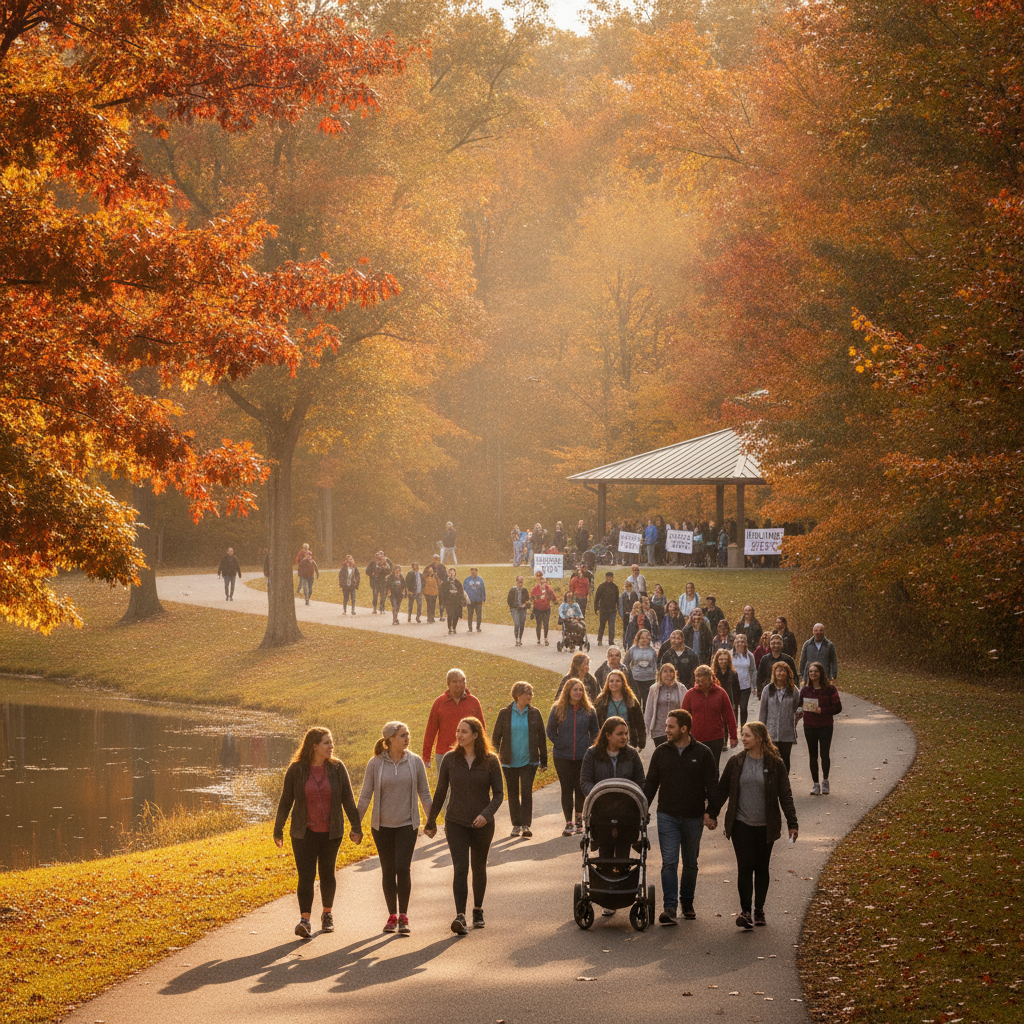
The surface you walk on can significantly impact your recovery experience. Soft, even surfaces like park trails, tracks, or well-maintained sidewalks are ideal for reducing impact on the spine and joints. Avoiding steep inclines and uneven terrain helps prevent unnecessary strain and reduces the risk of tripping or aggravating symptoms. In the area, many residents find that local parks offer a variety of accessible walking paths perfect for gentle exercise. Planning routes that include benches or rest areas allows for breaks as needed, making the walking program more manageable and enjoyable for those with sciatica.
Adapting Walking Programs for Busy Lifestyles
For small business owners and professionals, finding time for self-care can be challenging. Fortunately, walking programs are highly adaptable and can fit into even the busiest schedules. Short walks during lunch breaks, parking farther from the office, or taking phone calls while walking are practical ways to integrate movement into the workday. Setting reminders or using a step-tracking app can help maintain consistency. By prioritizing regular, low-impact activity, busy individuals can support their sciatica recovery without sacrificing productivity or work commitments.
Recognizing When to Adjust or Pause Your Walking Routine
While walking is generally safe, it’s important to listen to your body and adjust your routine if symptoms worsen. Signs that you may need to modify your program include increased pain, tingling, numbness, or weakness in the legs. If these symptoms persist, it’s wise to consult a healthcare professional before continuing. Sometimes, reducing intensity, shortening walks, or adding more rest days can help. For persistent or severe symptoms, seeking guidance from a local specialist ensures that your recovery plan remains safe and effective.
Motivation and Accountability: Staying on Track
Sticking with a walking program can be challenging, especially during recovery. Finding a walking partner, joining a local group, or setting personal goals can boost motivation and accountability. Tracking progress, celebrating milestones, and reflecting on improvements in pain or mobility can provide encouragement. Many people find that sharing their journey with family or friends helps maintain momentum and makes the process more enjoyable. Remember, consistency is key, small, regular efforts yield the best results over time.
Sample Walking Program for Sciatica Recovery
Below is a sample four-week walking program designed for gradual progression and safety. Always consult your healthcare provider before starting any new exercise routine, especially if you have underlying health conditions.
| Week | Frequency | Duration per Walk | Notes |
|---|---|---|---|
| 1 | 3 times/week | 10–15 minutes | Gentle pace, focus on form |
| 2 | 4 times/week | 15–20 minutes | Add gentle stretches post-walk |
| 3 | 5 times/week | 20–25 minutes | Increase pace slightly if comfortable |
| 4 | 5–6 times/week | 25–30 minutes | Maintain form, monitor symptoms |
When to Seek Professional Guidance
While many people can benefit from walking programs, some cases of sciatica require professional evaluation and treatment. If you experience severe pain, loss of bladder or bowel control, or progressive weakness, seek immediate medical attention. For ongoing discomfort or uncertainty about exercise safety, consulting a local healthcare provider or physical therapist can help tailor your walking program to your specific needs. Professional guidance ensures that your recovery is both safe and effective, helping you return to daily activities with confidence.
Key Takeaways
Walking programs offer a practical, accessible, and evidence-based approach to supporting sciatica recovery for residents and professionals alike. By starting slowly, focusing on posture, and integrating walking with other non-surgical treatments, individuals can reduce discomfort, improve mobility, and regain control over their health. Remember, consistency and patience are crucial, progress may be gradual, but every step counts. If you’re considering walking as part of your recovery, consult a healthcare provider to ensure it’s right for you. With the right approach, walking can be a cornerstone of your journey toward lasting relief and renewed confidence.