

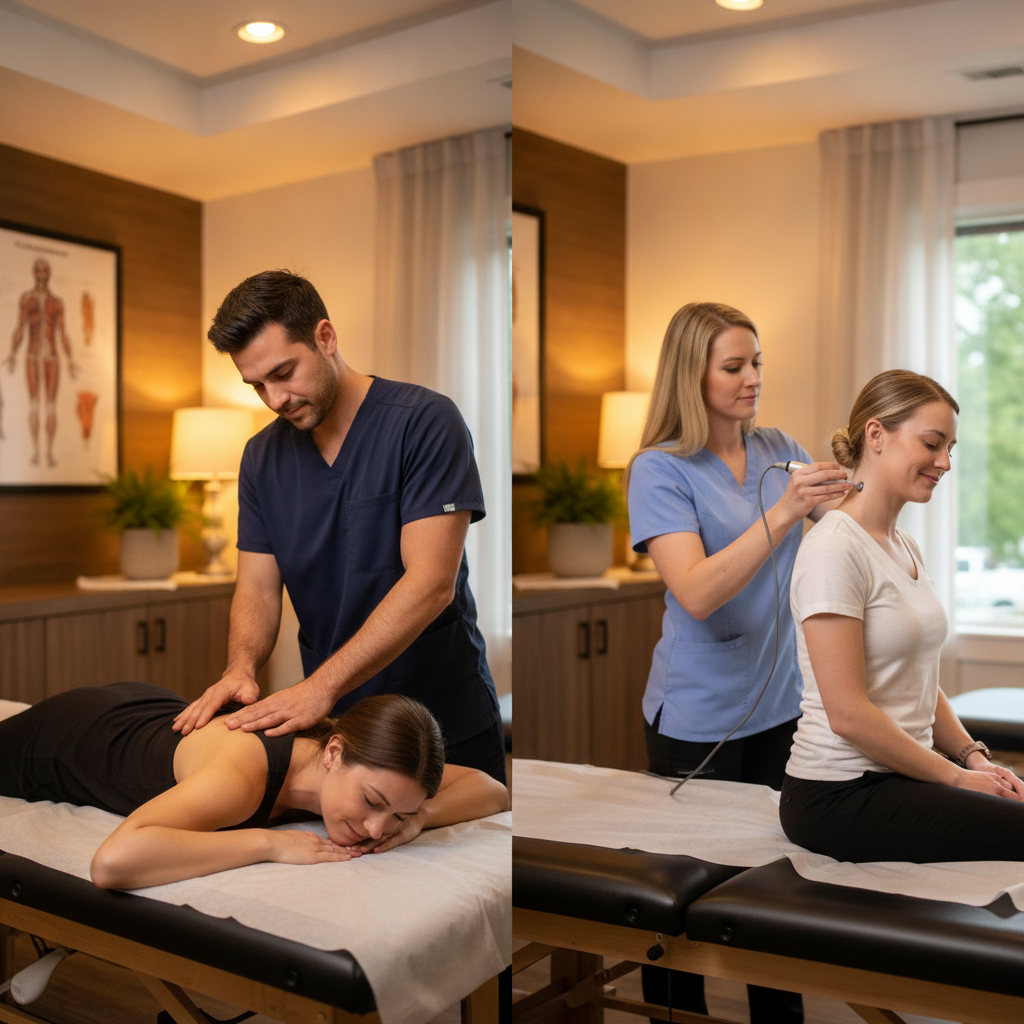
If you’ve ever considered chiropractic care, you’ve likely come across two main styles of adjustments: instrument-assisted and hands-on. For anyone searching for a chiropractor Rochester Hills trusts, understanding the differences between these methods can help you make informed decisions about your health. Whether you’re a small business owner managing stress, a developer dealing with desk-related aches, or simply someone looking for relief from chronic discomfort, the type of adjustment you choose can impact your comfort and results. This article breaks down what each approach involves, their unique benefits, and how to decide which might be right for you. We’ll also explore what patients in this community should know before booking their next appointment, so you feel confident and empowered in your chiropractic journey.
Understanding Instrument-Assisted Adjustments
Instrument-assisted adjustments use specialized tools to deliver gentle, targeted force to the spine or joints. These instruments, such as the Activator or Impulse device, are designed to provide consistent pressure without the need for manual thrusts. Many patients appreciate this method for its precision and comfort, especially those who may be nervous about traditional chiropractic techniques. At Delta Chiropractic Rochester Hills, practitioners often use instrument-assisted adjustments for individuals with sensitive conditions, osteoporosis, or those who prefer a less forceful approach. The controlled nature of these instruments allows chiropractors to target specific areas with minimal discomfort, making it a popular choice for first-time patients or those with chronic pain. Understanding how these devices work can help you decide if this gentle method aligns with your needs and preferences.
What to Expect from Hands-On Chiropractic Care
Hands-on adjustments, also known as manual adjustments, involve the chiropractor using their hands to apply quick, controlled force to a joint. This traditional method is widely recognized for producing the familiar “pop” or “crack” sound, which is simply gas releasing from the joint. Many people find manual adjustments effective for restoring mobility and relieving pain, especially in cases of acute discomfort or stiffness. The tactile feedback allows the chiropractor to feel subtle restrictions and adapt their technique in real time. For those seeking a chiropractor rochester hills residents trust, hands-on care offers a personalized touch that can be reassuring. While some may be apprehensive about manual adjustments, most patients report feeling immediate relief and improved range of motion following treatment. Understanding the process can help you feel more at ease and ready to experience the benefits firsthand.
Comparing Effectiveness: Which Approach Works Best?
When it comes to effectiveness, both instrument-assisted and hands-on adjustments have their strengths. Research suggests that both methods can provide relief from back pain, neck pain, and joint discomfort. The choice often depends on individual preferences, health conditions, and the specific goals of care. Some patients respond better to the gentle, targeted force of instruments, while others prefer the direct feedback and immediate results of manual adjustments. Consulting with a Chiropractor in Rochester Hills, MI can help determine which technique aligns with your body’s needs. It’s not uncommon for chiropractors to use a combination of both methods, tailoring the approach to each patient’s comfort and response. Ultimately, the best results come from open communication with your provider and a willingness to explore what works for your unique situation.
How Sleep Habits Affect Adjustment Outcomes
Your sleep position and nighttime habits can significantly influence the success of chiropractic adjustments. Whether you receive instrument-assisted or hands-on care, maintaining proper spinal alignment while sleeping can help prolong the benefits of your treatment. Poor sleep posture may lead to recurring discomfort or slow recovery, especially for those with chronic conditions. Some chiropractors recommend specific pillow types or mattress firmness to support your spine and reduce pressure points. For more detailed advice, check out How Sleep Position Changes Can Ease Back Pain for Rochester Hills Residents. By making simple adjustments to your sleep routine, you can support your body’s healing process and enjoy longer-lasting relief after each chiropractic visit.
Supporting Recovery Between Chiropractic Visits
What you do between appointments can make a big difference in your recovery and overall results. Gentle stretches, mindful movement, and proper hydration all help maintain spinal alignment and reduce muscle tension. Some patients benefit from heat or ice therapy, depending on their specific condition. For those looking to enhance their progress, Natural Ways to Support Sciatica Recovery Between Appointments in Rochester Hills offers practical strategies. Regular self-care habits not only support the work done during your chiropractic sessions but also empower you to take an active role in your health journey. Remember, consistency is key, small daily efforts can lead to significant improvements over time.
Who Might Prefer Instrument-Assisted Adjustments?
Instrument-assisted adjustments are often favored by individuals who are sensitive to touch, have osteoporosis, or experience anxiety about manual manipulation. Older adults, children, and those recovering from injuries may also benefit from the gentle approach of these tools. The precision of instrument-assisted techniques allows chiropractors to target specific joints without excessive force, making it an excellent option for people with fragile bones or chronic pain conditions. Additionally, patients who have tried hands-on adjustments and found them uncomfortable may feel more at ease with this method. Open communication with your chiropractor about your preferences and concerns ensures you receive care that feels both safe and effective.
When Hands-On Adjustments Are Most Beneficial
Hands-on adjustments can be particularly effective for patients seeking immediate relief from acute pain or stiffness. The direct contact allows chiropractors to feel subtle restrictions and make real-time adjustments based on your body’s feedback. Athletes, active individuals, and those with specific mobility goals often appreciate the dynamic nature of manual techniques. In cases where joint restrictions are deep or stubborn, hands-on care may provide the necessary force to restore movement. However, it’s important to discuss any apprehensions or past experiences with your provider so they can adapt their approach to your comfort level. Personalized care is the hallmark of effective chiropractic treatment, no matter which method is used.
Safety Considerations for Both Techniques
Safety is a top priority in chiropractic care, and both instrument-assisted and hands-on adjustments are generally considered safe when performed by a licensed professional. Instrument-assisted methods are especially valued for their gentle force, making them ideal for individuals with certain health conditions. Manual adjustments, while safe for most, may not be suitable for everyone, especially those with severe osteoporosis or spinal instability. Always disclose your full medical history to your chiropractor, including any recent injuries, surgeries, or ongoing health issues. This allows your provider to choose the safest and most effective technique for your needs. If you ever feel discomfort during a session, speak up so adjustments can be made to your care plan.
Table: Quick Comparison of Adjustment Methods
| Feature | Instrument-Assisted | Hands-On |
|---|---|---|
| Force Applied | Gentle, precise | Manual, variable |
| Patient Comfort | High, minimal discomfort | Varies, may feel pressure |
| Common Uses | Sensitive patients, osteoporosis | Acute pain, mobility issues |
| Sound | Usually silent | May produce “pop” |
| Chiropractor Feedback | Visual and tactile | Direct tactile |
Choosing the Right Adjustment for Your Needs
Selecting the best chiropractic technique is a personal decision that should be guided by your comfort, health history, and goals. Some people find instrument-assisted adjustments less intimidating, while others value the hands-on approach for its immediate feedback. Discuss your preferences and any concerns with your chiropractor so they can recommend the most suitable method. Remember, your provider may suggest trying both techniques to see which yields the best results. The most important factor is open communication and a willingness to explore what works for your body. Your comfort and trust in the process are essential for a positive outcome.
What to Ask Your Chiropractor Before Starting Care
Before beginning any chiropractic treatment, it’s wise to ask your provider key questions about their approach, experience, and recommendations. Inquire about the techniques they use most often, how they determine which adjustment is right for you, and what you can expect during and after a session. Ask about any potential risks, especially if you have underlying health conditions. Understanding the rationale behind their recommendations can help you feel more confident in your care. Don’t hesitate to voice your concerns or preferences, your chiropractor’s goal is to create a treatment plan that aligns with your needs and lifestyle. Being proactive in these conversations leads to better outcomes and a more satisfying experience.
Final Thoughts
Both instrument-assisted and hands-on chiropractic adjustments offer unique benefits, and the right choice depends on your individual needs, preferences, and health history. Residents in this area have access to skilled providers who can tailor their approach for optimal comfort and results. By understanding the differences between these techniques, asking thoughtful questions, and maintaining supportive habits at home, you can make the most of your chiropractic care. Remember, your journey to better health is personal, trust your instincts, communicate openly with your provider, and be open to exploring different methods until you find what works best for you. Whether you’re seeking relief from pain, improved mobility, or ongoing wellness, chiropractic care can be a valuable part of your health routine.