

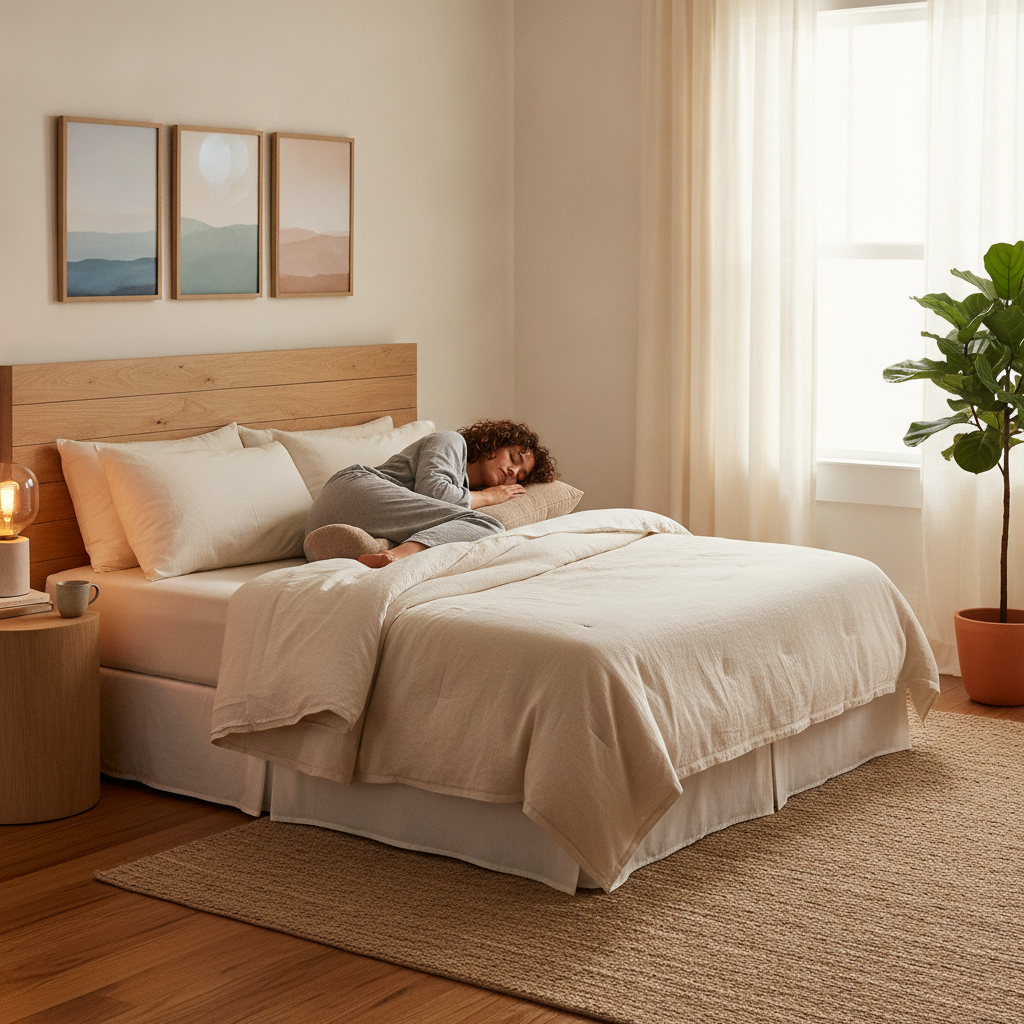
Back pain is a common challenge for many people, especially those balancing busy work lives and family responsibilities. For anyone searching for back pain relief Rochester Hills residents can trust, one often overlooked factor is sleep position. The way you sleep each night has a direct impact on how your back feels throughout the day. Whether you’re a small business owner, a developer spending hours at a desk, or just someone looking for better rest, understanding the connection between sleep posture and spinal health can make a real difference. In this article, we’ll explore how changing your sleep position can ease back discomfort, support healing, and help you wake up feeling refreshed. You’ll learn practical tips, discover which positions are best for different types of back pain, and find out how simple adjustments can lead to lasting comfort. Let’s dive into the science and strategies behind sleeping smarter for a healthier back.
Why Sleep Position Matters for Your Spine
The position you sleep in each night has a profound effect on your spinal alignment. When your body is at rest, the muscles and ligaments in your back have a chance to recover from the day’s activities. However, if your sleep position puts strain on your spine, it can prevent proper healing and even contribute to chronic pain. For those seeking back pain relief, understanding the mechanics of sleep posture is crucial. Sleeping in a way that supports the natural curves of your spine reduces pressure on discs and nerves, helping to minimize discomfort. If you’re unsure where to start, visit our site for resources tailored to your needs. By making mindful changes to your sleep position, you can set the stage for better spinal health and more restful nights.
The Science Behind Sleep Position and Back Pain
Research shows that certain sleep positions can either help or hinder your journey toward back pain relief. When you sleep in a position that misaligns your spine, such as lying on your stomach with your head turned to one side, your muscles may tense up, and your joints may become stressed. Over time, this can lead to inflammation and persistent discomfort. On the other hand, sleeping on your back or side with proper support helps distribute your body weight evenly, reducing pressure on sensitive areas. For a deeper dive into the relationship between sleep position and back pain, check out expert resources that explain the biomechanics involved. Understanding these principles empowers you to make informed choices for a healthier, pain-free back.
Best Sleep Positions for Lower Back Relief
If you struggle with lower back pain, your sleep position may be a key factor in your discomfort. Experts generally recommend sleeping on your back with a pillow under your knees or on your side with a pillow between your legs. These positions help maintain the natural curve of your lower spine and reduce strain on muscles and joints. Avoid sleeping on your stomach, as it often leads to excessive arching of the back and twisting of the neck. For those in the area who need personalized advice, consulting a Chiropractor in Rochester Hills, MI can help you identify the best sleep strategies for your unique needs. Remember, small adjustments to your sleep posture can have a big impact on how you feel each morning.
How Pillows and Mattresses Affect Spinal Alignment
Your choice of pillow and mattress is just as important as your sleep position when it comes to back comfort. A mattress that is too soft may cause your body to sink, misaligning your spine, while one that is too firm can create pressure points. The ideal mattress supports your body evenly and keeps your spine in a neutral position. Similarly, the right pillow should fill the gap between your neck and the mattress, maintaining alignment whether you sleep on your back or side. For those who also experience headaches or migraines, the right support can make a difference, see Chiropractic Approaches for Migraines and Recurrent Head Pain in Rochester Hills for more information. Investing in supportive bedding can be a game-changer for your overall comfort and spinal health.
Adapting Sleep Habits for Sciatica and Nerve Pain
Those dealing with sciatica or nerve pain know how challenging it can be to find a comfortable sleep position. Sleeping on your side with a pillow between your knees often helps relieve pressure on the sciatic nerve. For some, sleeping in a reclined position can also reduce discomfort by opening up the space between vertebrae. It’s important to avoid positions that twist the lower back or compress nerves. If you’re seeking more guidance, explore Non-Surgical Ways to Calm Burning, Tingling, and Leg Pain from Sciatica in Rochester Hills for practical tips. With patience and a willingness to experiment, you can discover a sleep routine that supports healing and minimizes nerve-related pain.
Common Sleep Position Mistakes That Worsen Back Pain
Many people unknowingly adopt sleep positions that contribute to their back pain. One of the most common mistakes is sleeping on the stomach, which forces the spine into an unnatural arch and strains the neck. Another frequent issue is using an unsupportive pillow that causes the head to tilt awkwardly. Some sleepers curl up too tightly on their side, which can compress the spine and lead to stiffness. Others may toss and turn, causing repeated stress on sensitive areas. Recognizing these habits is the first step toward improvement. By paying attention to how you position yourself at night and making small changes, you can help prevent the cycle of pain and discomfort that disrupts sleep and daily life.
How to Transition to a Healthier Sleep Position
Changing your sleep position may feel awkward at first, especially if you’ve slept a certain way for years. Start by making gradual adjustments, such as adding a pillow between your knees or under your lower back. Use extra pillows to prevent yourself from rolling into less ideal positions during the night. If you’re trying to move from stomach to side sleeping, practice lying in the new position for a few minutes before bed to help your body adjust. Be patient, habits take time to change. If you wake up in your old position, gently reposition yourself without frustration. Over time, your body will adapt, and you’ll begin to notice improvements in comfort and pain levels.
The Role of Stretching and Evening Routines
Incorporating gentle stretching into your evening routine can prepare your body for a more restful night. Simple stretches targeting the lower back, hips, and hamstrings help release tension built up during the day. Practices like yoga or mindful breathing can also calm the nervous system, making it easier to fall asleep and stay asleep. Establishing a consistent bedtime routine, such as dimming lights, avoiding screens, and winding down with a book, signals to your body that it’s time to rest. These habits, combined with a supportive sleep position, create an environment where your back can heal and recover overnight.
When to Seek Professional Advice for Back Pain
While adjusting your sleep position can provide significant relief, persistent or severe back pain may require professional evaluation. If your discomfort interferes with daily activities, lasts more than a few weeks, or is accompanied by symptoms like numbness or weakness, it’s important to consult a healthcare provider. Chiropractors, physical therapists, and physicians can assess your condition and recommend targeted treatments. They may also provide personalized guidance on sleep posture and bedding choices. Early intervention can prevent minor issues from becoming chronic problems and help you return to a pain-free lifestyle more quickly.
Comparing Sleep Positions: Pros and Cons
| Sleep Position | Benefits | Drawbacks |
|---|---|---|
| Back | Promotes spinal alignment, reduces pressure on joints | May worsen snoring or sleep apnea for some |
| Side (with pillow between knees) | Eases lower back and hip pain, good for sciatica | Can cause shoulder discomfort if not supported |
| Fetal | Relieves pressure on discs, comfortable for many | May restrict deep breathing, can cause stiffness |
| Stomach | Sometimes relieves snoring | Strains neck and spine, increases back pain risk |
This comparison highlights how each sleep position affects your body. Consider your specific needs and experiment to find what works best for your comfort and health.
Personalizing Your Sleep Setup for Lasting Relief
No two people are exactly alike when it comes to sleep preferences and back health. Factors like body type, mattress age, and existing injuries all play a role in determining the best sleep setup for you. Take time to assess your current routine: Is your mattress supportive? Are your pillows the right height and firmness? Do you wake up feeling rested or stiff? Making small, thoughtful adjustments based on your observations can lead to significant improvements. Remember, achieving back pain relief is a personal journey, what works for one person may not be ideal for another. Stay flexible, and don’t hesitate to seek guidance from local professionals if you need extra support.
The Bottom Line
Improving your sleep position is one of the simplest and most effective ways to support back health and reduce discomfort. By understanding the connection between posture, bedding, and spinal alignment, you can make informed choices that lead to better rest and less pain. Whether you’re a business owner, a developer, or simply someone who values a good night’s sleep, these strategies can help you wake up feeling your best. Remember to be patient with yourself as you make changes, and don’t hesitate to reach out to local experts for personalized advice. With a little effort and attention, you can transform your nights and enjoy the benefits of lasting back pain relief.