

If you’ve ever felt a sharp, radiating pain shoot from your lower back down your leg, you’re not alone. Sciatica flare-ups are a common struggle for many people, especially those who spend long hours sitting at a desk or on their feet running a business. For residents seeking sciatica treatment Rochester Hills MI, knowing how to manage nerve pain at home can be a game-changer. Whether you’re a small business owner, developer, or simply someone who wants to stay active and pain-free, understanding practical, evidence-based strategies for easing sciatica can help you take back control of your comfort and mobility. In this guide, we’ll explore why flare-ups happen, what you can do about them from the comfort of your home, and how to prevent them from derailing your day-to-day life. From movement hacks to pain-relieving routines, you’ll find actionable tips that fit into a busy schedule, so you can keep living life on your terms, even when sciatica strikes.
Understanding Sciatica Flare-Ups
Sciatica is a condition where the sciatic nerve, which runs from your lower back down each leg, becomes irritated or compressed. This can lead to pain, tingling, numbness, or weakness that radiates along the nerve’s path. Flare-ups can be triggered by a variety of factors, including sudden movements, prolonged sitting, heavy lifting, or even stress. The pain can range from mild discomfort to severe, debilitating agony that makes it hard to move or focus on daily tasks.
What makes sciatica particularly challenging is its unpredictability. Some people experience occasional twinges, while others face chronic, recurring episodes. Understanding your own triggers is key. For example, long hours at a computer or improper lifting techniques can put extra pressure on the lower back, increasing the risk of a flare-up. On the other hand, lack of movement or poor posture can also contribute to nerve irritation.
Sciatica flare-ups are not just about pain, they can impact your productivity, mood, and overall quality of life. That’s why it’s important to recognize the early warning signs and take proactive steps to manage symptoms before they escalate. If you’re looking for more information or professional guidance, Delta Chiropractic offers resources and support for those dealing with nerve pain in the area.
Recognizing Early Signs of a Flare-Up
Catching a sciatica flare-up early can make a big difference in how quickly you recover. The first signs are often subtle: a dull ache in the lower back, a tingling sensation down the leg, or mild numbness in the foot. These symptoms may come and go, but they often precede more intense pain. Paying attention to your body’s signals allows you to intervene before the discomfort becomes overwhelming.
Some people notice increased stiffness after sitting for long periods or after a night of restless sleep. Others might feel a sharp, shooting pain when bending, twisting, or lifting. If you notice these warning signs, it’s important to modify your activities and avoid movements that could worsen the irritation. Gentle stretching, changing positions frequently, and using supportive seating can help reduce the risk of a full-blown flare-up.
If you’re unsure whether your leg pain is related to sciatica, or if you want to learn more about the specific symptoms to watch for, check out How to Tell if Your Leg Pain Is Sciatica: Signs Patients in Rochester Hills, MI Should Watch For. Understanding these early indicators empowers you to take action sooner and potentially avoid more severe pain.
Home-Based Strategies for Immediate Relief
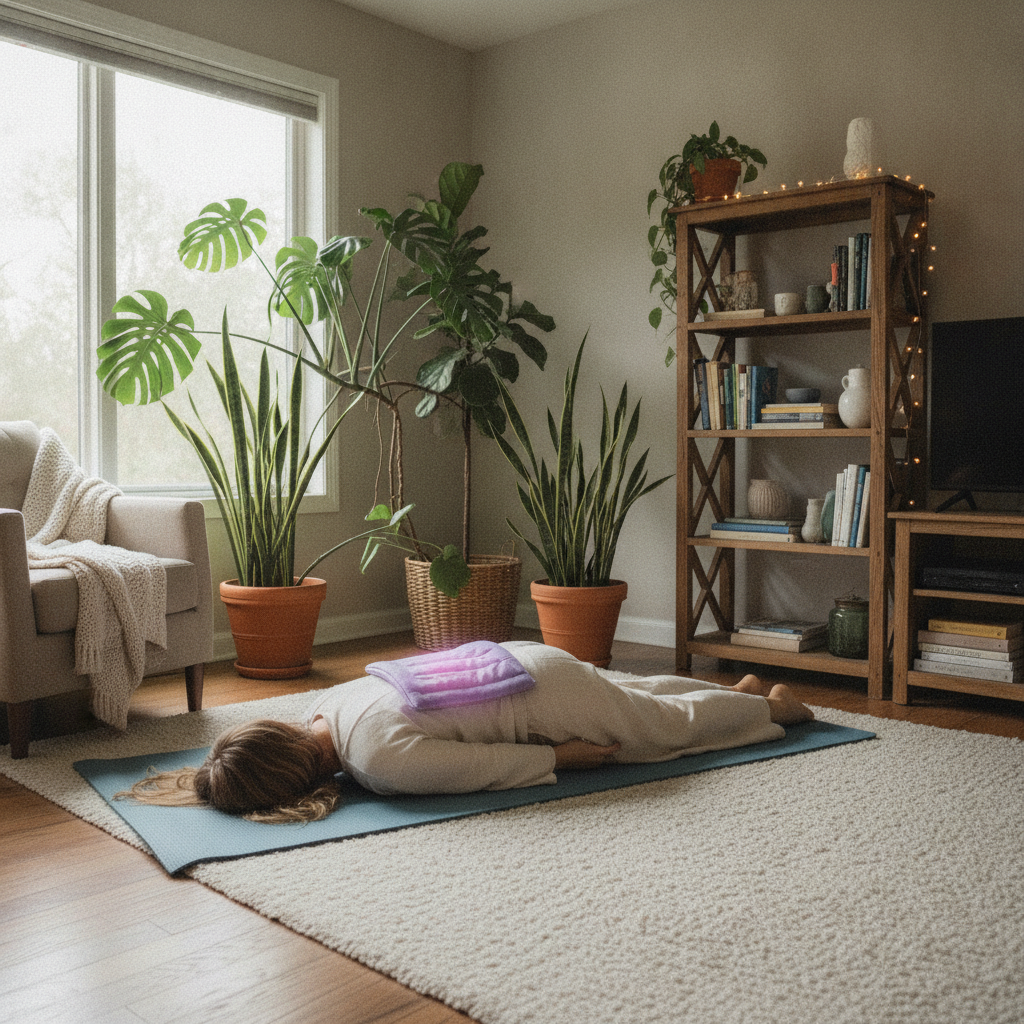
When a sciatica flare-up strikes, having a toolkit of home-based relief strategies can provide comfort and restore mobility. The first step is to avoid any activities that may have triggered the pain. Instead, focus on gentle movement and rest. Applying a cold pack to the lower back for 15-20 minutes can help reduce inflammation, especially if the pain is sudden or sharp. After the initial 48 hours, switching to a heat pack may help relax tight muscles and improve blood flow.
Gentle stretching is another effective way to ease nerve irritation. Try lying on your back and gently pulling your knees toward your chest, or performing a figure-four stretch to open up the hips. Always move slowly and stop if you feel increased pain. Over-the-counter pain relievers, such as acetaminophen or ibuprofen, can also be used as directed for temporary relief.
For more comprehensive approaches to managing sciatica pain without surgery, explore Sciatica Relief in Rochester Hills, MI: Comparing Non-Surgical Treatment Approaches. These resources can help you understand your options and choose the best methods for your situation.
Movement and Mobility: Staying Active Safely
While it may be tempting to rest completely during a sciatica flare-up, staying gently active is often more beneficial. Prolonged inactivity can lead to muscle stiffness and further aggravate nerve pain. Instead, focus on low-impact activities that keep your body moving without putting strain on your lower back. Walking around your home, gentle yoga, or light stretching can all help maintain mobility and promote healing.
If you work at a desk, set a timer to stand up and move every 30-60 minutes. Try simple exercises such as ankle circles, knee lifts, or standing hip stretches. These movements can improve circulation and prevent muscles from tightening up. If you’re on your feet all day, take breaks to sit and stretch your legs, or use a supportive chair when possible.
Remember, the key is to listen to your body. If a particular movement increases your pain, stop and try a different approach. Over time, building a routine of safe, gentle activity can help reduce the frequency and severity of sciatica flare-ups.
Ergonomic Adjustments for Daily Life
Many sciatica flare-ups are aggravated by poor ergonomics at work or home. Simple changes to your environment can make a significant difference in managing nerve pain. Start by evaluating your workspace: is your chair supportive, and does it keep your feet flat on the floor? Is your computer monitor at eye level? Small adjustments, such as adding a lumbar cushion or raising your monitor, can help maintain proper posture and reduce pressure on your lower back.
If you spend long hours driving, adjust your seat to support your spine and take breaks to stretch your legs. At home, choose chairs with good back support and avoid sitting on soft, sagging couches for extended periods. When lifting objects, bend at the knees rather than the waist, and keep the object close to your body to minimize strain.
Making these ergonomic changes part of your daily routine can help prevent future flare-ups and support a healthier, more comfortable lifestyle.
Managing Stress and Its Impact on Nerve Pain
Stress is a common, yet often overlooked, contributor to sciatica flare-ups. When you’re under pressure, your muscles tend to tense up, especially around the neck, shoulders, and lower back. This tension can exacerbate nerve compression and lead to more frequent or intense episodes of pain.
Incorporating stress management techniques into your daily routine can help break this cycle. Mindful breathing exercises, meditation, or progressive muscle relaxation are all effective ways to reduce tension. Even a few minutes of deep breathing or guided imagery can calm your nervous system and ease muscle tightness.
Don’t underestimate the power of hobbies, social connections, or simply taking a walk outside to clear your mind. By managing stress, you’re not only supporting your mental health but also reducing the risk of sciatica flare-ups triggered by muscle tension.
The Role of Sleep in Sciatica Recovery
Quality sleep is essential for healing and recovery, especially during a sciatica flare-up. Unfortunately, nerve pain can make it difficult to find a comfortable position or stay asleep through the night. Poor sleep can, in turn, increase your sensitivity to pain and slow down your recovery process.
To improve your sleep quality, experiment with different sleeping positions. Many people find relief by lying on their side with a pillow between their knees, which helps keep the spine aligned. If you prefer sleeping on your back, placing a pillow under your knees can reduce pressure on the lower back. Invest in a supportive mattress and avoid using overly soft pillows that may strain your neck or back.
Establishing a calming bedtime routine, such as gentle stretching, reading, or listening to soothing music, can signal to your body that it’s time to wind down. By prioritizing sleep, you give your body the best chance to recover from a sciatica flare-up.
Nutrition Tips for Nerve Health
What you eat can play a role in how your body responds to inflammation and nerve pain. While no single food will cure sciatica, a balanced diet rich in anti-inflammatory nutrients can support your body’s natural healing processes. Focus on incorporating plenty of fruits, vegetables, whole grains, lean proteins, and healthy fats into your meals.
Certain nutrients are especially important for nerve health, including B vitamins, magnesium, and omega-3 fatty acids. Foods like leafy greens, salmon, nuts, seeds, and legumes are excellent choices. Staying hydrated also helps keep your muscles and nerves functioning optimally.
Avoid excessive consumption of processed foods, sugary snacks, and foods high in saturated fats, as these can contribute to inflammation and worsen symptoms. By making mindful choices about your diet, you can support your body’s resilience and potentially reduce the frequency of sciatica flare-ups.
When to Seek Professional Help in Rochester Hills
While many sciatica flare-ups can be managed at home, there are times when professional intervention is necessary. If your pain is severe, persistent, or accompanied by symptoms such as loss of bladder or bowel control, significant weakness, or numbness, seek medical attention immediately. These could be signs of a more serious underlying condition that requires prompt treatment.
If your symptoms don’t improve after several days of home care, or if they interfere with your ability to work or perform daily activities, consider consulting a healthcare provider. In the Rochester Hills area, there are a variety of specialists who can offer targeted treatments, from physical therapy to chiropractic care and more. Early intervention can help prevent chronic pain and support a faster recovery.
Remember, you don’t have to manage sciatica alone. Professional support can provide personalized guidance and ensure you’re on the right path to lasting relief.
Comparing Home Remedies: What Works Best?
With so many home remedies for sciatica, it can be difficult to know which ones are truly effective. Some people swear by cold packs, while others prefer heat. Stretching and gentle exercise are widely recommended, but the specifics can vary depending on your individual needs and pain triggers. Over-the-counter medications may provide temporary relief, but they’re not a long-term solution.
To help you compare the most common at-home strategies, here’s a quick reference table outlining their benefits and potential drawbacks:
| Remedy | How It Helps | Considerations |
|---|---|---|
| Cold Packs | Reduces inflammation and numbs acute pain | Best for first 48 hours after flare-up |
| Heat Therapy | Relaxes muscles and increases circulation | Use after inflammation subsides |
| Gentle Stretching | Improves flexibility and reduces nerve pressure | Avoid overstretching or painful movements |
| OTC Pain Relievers | Temporary pain and inflammation relief | Follow dosage instructions; not for long-term use |
| Movement/Walking | Prevents stiffness and supports healing | Start slow and increase as tolerated |
Ultimately, the best remedy is the one that works for your body and fits your lifestyle. Experiment with different strategies, track your results, and don’t hesitate to consult a professional if you’re unsure.
Building a Personalized Flare-Up Prevention Plan
Preventing future sciatica flare-ups often requires a personalized approach. Start by identifying your unique triggers, whether it’s prolonged sitting, heavy lifting, or stress, and develop strategies to address them. For example, if long hours at a desk are a problem, set reminders to stand and stretch regularly. If stress is a major factor, incorporate relaxation techniques into your daily routine.
Consistency is key. Make ergonomic adjustments to your workspace, prioritize gentle movement, and pay attention to your posture throughout the day. Keep a journal to track your symptoms, noting what helps and what doesn’t. Over time, you’ll develop a toolkit of strategies that work for you, making it easier to manage future flare-ups.
Remember, prevention is an ongoing process. Stay proactive, stay informed, and don’t hesitate to seek support from local professionals when needed.
Key Takeaways
Sciatica flare-ups can be disruptive, but with the right knowledge and strategies, you can manage nerve pain at home and reduce its impact on your life. Understanding your triggers, recognizing early warning signs, and using a combination of movement, ergonomic adjustments, stress management, and healthy habits can make a significant difference. While home remedies are effective for many, don’t hesitate to seek professional help if your symptoms persist or worsen. By staying proactive and building a personalized prevention plan, you can regain control over your comfort and keep doing what matters most, whether that’s running your business, pursuing your passions, or simply enjoying daily life in this vibrant community.