

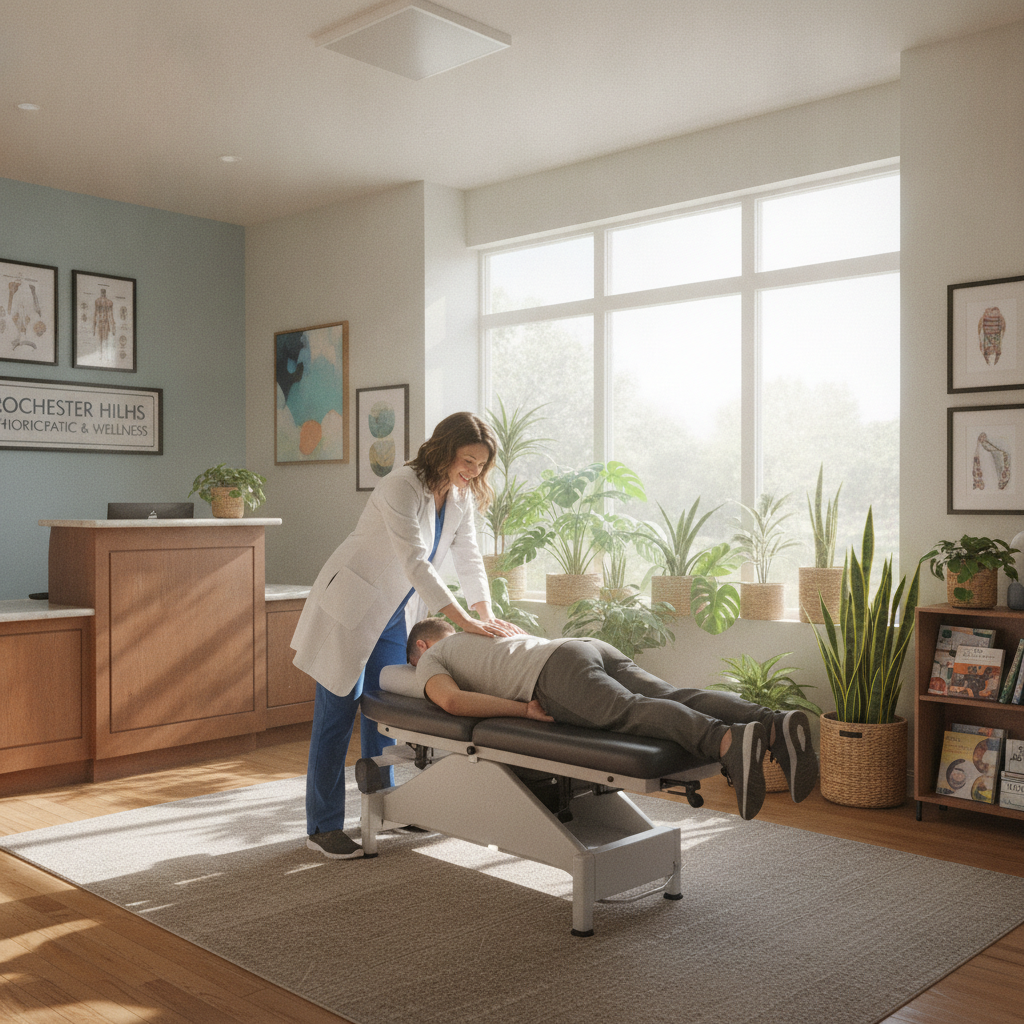
If you’re searching for a chiropractor Rochester Hills MI locals trust, you’re not alone. Whether you’re a small business owner on your feet all day, a developer hunched over a laptop, or simply someone seeking relief from persistent aches, finding the right chiropractic care can make a world of difference. With so many options in the area, knowing what to look for and what questions to ask is crucial. This guide will walk you through the essentials of choosing a reputable chiropractor, understanding what sets quality care apart, and how to ensure your experience is safe, effective, and tailored to your needs. From evaluating credentials to understanding the latest treatment approaches, we’ll help you make an informed decision about your health and well-being.
What Makes a Chiropractor Trustworthy?
Trust is the foundation of any healthcare relationship, and chiropractic care is no exception. A trustworthy chiropractor is more than just someone with a degree on the wall. They demonstrate genuine concern for your well-being, communicate clearly, and tailor their approach to your specific needs. Look for professionals who take the time to listen to your concerns, explain diagnoses in understandable terms, and involve you in decision-making. Transparency about treatment plans, costs, and expected outcomes is a strong indicator of integrity. Additionally, a reputable chiropractor will never pressure you into unnecessary treatments or extended care plans without clear justification. Their primary goal should be your health, not just filling appointment slots.
Another sign of trustworthiness is a commitment to ongoing education and staying current with advancements in chiropractic techniques. Ask about their participation in professional organizations or continuing education programs. A chiropractor who invests in learning is more likely to offer evidence-based care and adapt to new, effective methods. Finally, check for a clean, welcoming clinic environment and a professional staff. These details reflect the overall standard of care you can expect. For those seeking a reputable local provider, Delta Chiropractic is one example of a clinic that emphasizes patient-centered care and professionalism.
Essential Credentials and Qualifications
When evaluating a chiropractor, verifying their credentials should be a top priority. In Michigan, chiropractors must hold a Doctor of Chiropractic (DC) degree from an accredited institution and pass both national and state licensing exams. These qualifications ensure they have a solid foundation in anatomy, physiology, and clinical skills. However, credentials go beyond the basics. Look for practitioners who pursue additional certifications in specialized areas such as sports injury, pediatric care, or rehabilitation. These extra qualifications indicate a dedication to expanding their expertise and serving a broader range of patient needs.
Board certification and membership in professional organizations, such as the American Chiropractic Association or the Michigan Association of Chiropractors, are also positive signs. These memberships often require adherence to ethical standards and ongoing education. Don’t hesitate to ask about a chiropractor’s background, areas of focus, and any advanced training they have completed. This information can help you match your specific health goals with a provider’s strengths. For example, if you’re interested in non-surgical solutions for nerve pain, you might want to review resources like Sciatica Relief in Rochester Hills, MI: Comparing Non-Surgical Treatment Approaches to understand the scope of care available.
Understanding Chiropractic Techniques and Approaches
Chiropractic care is not a one-size-fits-all solution. There are numerous techniques and approaches, each with its own benefits and applications. Some chiropractors focus on manual adjustments, using their hands to manipulate the spine and joints, while others may incorporate instrument-assisted methods or gentle mobilization techniques. It’s important to understand which approaches a clinic offers and how they align with your comfort level and health goals.
Ask potential providers about the techniques they use and why they recommend them for your specific situation. For instance, some patients respond better to low-force adjustments, while others benefit from traditional spinal manipulation. Additionally, many chiropractors now integrate complementary therapies such as massage, stretching routines, or rehabilitative exercises to enhance results. Understanding these options empowers you to make informed choices about your care. If you’re exploring alternatives for back pain, consider reading about Non-Surgical Back Pain Relief Options in Rochester Hills, MI to get a sense of what modern chiropractic clinics can provide.
How to Evaluate Patient Reviews and Testimonials
In today’s digital age, patient reviews and testimonials are invaluable tools for evaluating healthcare providers. However, it’s important to approach reviews with a critical eye. Look for patterns in feedback rather than focusing on one-off comments. Consistently positive remarks about professionalism, communication, and results are good indicators of quality care. Conversely, repeated complaints about scheduling issues, poor bedside manner, or unclear billing practices may be red flags.
Don’t just rely on star ratings. Read the content of reviews to understand what patients appreciated or disliked. Testimonials that mention specific improvements in pain, mobility, or quality of life can be especially telling. It’s also helpful to see if the chiropractor responds to feedback, showing a willingness to engage with patients and address concerns. Remember, no provider will have a perfect record, but a pattern of attentive, respectful care is a strong endorsement. For those new to this community, asking neighbors or colleagues for personal recommendations can further supplement your research.
Comparing Costs and Insurance Coverage
Cost is often a significant factor when choosing a chiropractor, especially for small business owners and self-employed individuals. Chiropractic fees can vary widely based on the provider’s experience, the complexity of your condition, and the types of treatments offered. It’s wise to request a clear breakdown of costs before beginning care. Ask about the price for initial consultations, follow-up visits, and any additional therapies that may be recommended.
Insurance coverage is another key consideration. Many health plans include chiropractic benefits, but coverage limits, copays, and referral requirements can differ. Contact your insurer to clarify what’s included and ask the clinic if they handle insurance billing directly. Some chiropractors offer package deals or discounts for cash payments, which can be beneficial if you’re paying out of pocket. Transparency in billing practices and willingness to discuss financial options are hallmarks of a patient-focused clinic. Always get cost estimates in writing to avoid surprises down the road.
What to Expect at Your First Visit
Your initial visit to a chiropractor sets the tone for your entire care experience. Most first appointments begin with a comprehensive health history and a discussion of your symptoms, lifestyle, and goals. The chiropractor will likely perform a physical examination, focusing on your spine, posture, and areas of discomfort. Some clinics may use diagnostic tools such as X-rays or computerized assessments to gain a clearer picture of your condition.
After the evaluation, your provider should explain their findings in plain language and outline a proposed treatment plan. This plan may include a series of adjustments, recommendations for exercises or stretches, and suggestions for lifestyle modifications. Don’t hesitate to ask questions about the process, expected outcomes, and any potential risks. A good chiropractor will encourage your involvement and make sure you’re comfortable with each step. Remember, you are always in control of your care and have the right to seek a second opinion if needed.
Chiropractic Care for Small Business Owners and Developers
Small business owners and developers often face unique physical challenges. Long hours at a desk, repetitive motions, and high stress can contribute to chronic pain and musculoskeletal issues. Chiropractic care offers targeted solutions for these problems, focusing on restoring mobility, reducing tension, and preventing injuries. Many chiropractors provide ergonomic advice, posture assessments, and customized exercise plans to support busy professionals.
For developers, addressing neck, shoulder, and back strain is especially important. Regular adjustments and preventive care can help manage discomfort and improve productivity. Small business owners who are constantly on the move may benefit from strategies to maintain flexibility and reduce fatigue. Look for a chiropractor who understands the demands of your work life and can tailor their recommendations accordingly. This personalized approach can make a significant difference in your overall well-being and job performance.
Safety and Evidence-Based Practice in Chiropractic
Safety is a top concern for anyone considering chiropractic care. Modern chiropractors adhere to strict standards of practice, emphasizing patient safety and evidence-based approaches. This means that treatments are grounded in scientific research and tailored to each individual’s health status. Before beginning any adjustment, a responsible chiropractor will conduct a thorough assessment to rule out underlying conditions that may require alternative care.
Evidence-based practice also involves staying current with the latest research and integrating proven techniques. Ask your provider how they keep up with new developments and whether they participate in peer-reviewed education. If you have specific health concerns, such as osteoporosis or prior surgeries, make sure your chiropractor is aware and can modify their approach as needed. Open communication and a willingness to collaborate with other healthcare providers are strong indicators of a clinic’s commitment to safe, effective care.
Comparing Chiropractic to Other Pain Relief Options
Chiropractic care is one of several approaches available for managing pain and improving mobility. It’s helpful to understand how it compares to other common options, such as physical therapy, massage, medication, and surgery. Each method has its own strengths and limitations, and the best choice often depends on your specific condition and health goals.
The table below provides a side-by-side comparison of chiropractic care and other popular pain relief strategies. Consider factors such as focus area, typical benefits, and potential drawbacks when making your decision.
| Treatment Option | Primary Focus | Typical Benefits | Potential Drawbacks |
|---|---|---|---|
| Chiropractic Care | Spinal alignment, joint mobility | Non-invasive, drug-free, improves function | May require multiple visits, not suitable for all conditions |
| Physical Therapy | Muscle strength, rehabilitation | Custom exercises, improves mobility, injury recovery | Progress may be gradual, requires active participation |
| Massage Therapy | Muscle tension relief | Reduces stress, improves circulation | Temporary relief, may not address underlying issues |
| Medication | Pain management | Quick relief, easy access | Side effects, does not treat cause, risk of dependency |
| Surgery | Structural correction | May provide lasting results for severe cases | Invasive, higher risk, longer recovery |
Discuss your options with a healthcare professional to determine which approach is best for your situation. Combining therapies is often the most effective way to achieve lasting relief and improved function.
Questions to Ask Before Committing
Before starting care with any chiropractor, it’s wise to come prepared with questions. This ensures you have a clear understanding of what to expect and helps you gauge the provider’s communication style. Consider asking the following:
- What techniques do you use, and why are they suitable for my condition?
- How many visits do you anticipate I’ll need?
- What are the potential risks and benefits of the proposed treatment?
- Are there alternative therapies I should consider?
- How do you measure progress and success?
- What is your policy on referrals to other healthcare providers?
A reputable chiropractor will welcome your questions and provide clear, thoughtful answers. This dialogue is essential for building trust and ensuring your care is truly collaborative.
Final Thoughts
Finding a trusted chiropractor in the area is about more than proximity or flashy marketing. It’s about partnering with a professional who values your health, communicates openly, and tailors care to your unique needs. By focusing on credentials, patient feedback, treatment approaches, and safety, you can confidently select a provider who will support your journey toward better health. Remember to ask questions, compare options, and trust your instincts. Quality chiropractic care can be a powerful tool for pain relief, improved mobility, and overall well-being, especially for busy professionals and residents alike. Take the time to make an informed choice, and you’ll be well on your way to a healthier, more active life.