

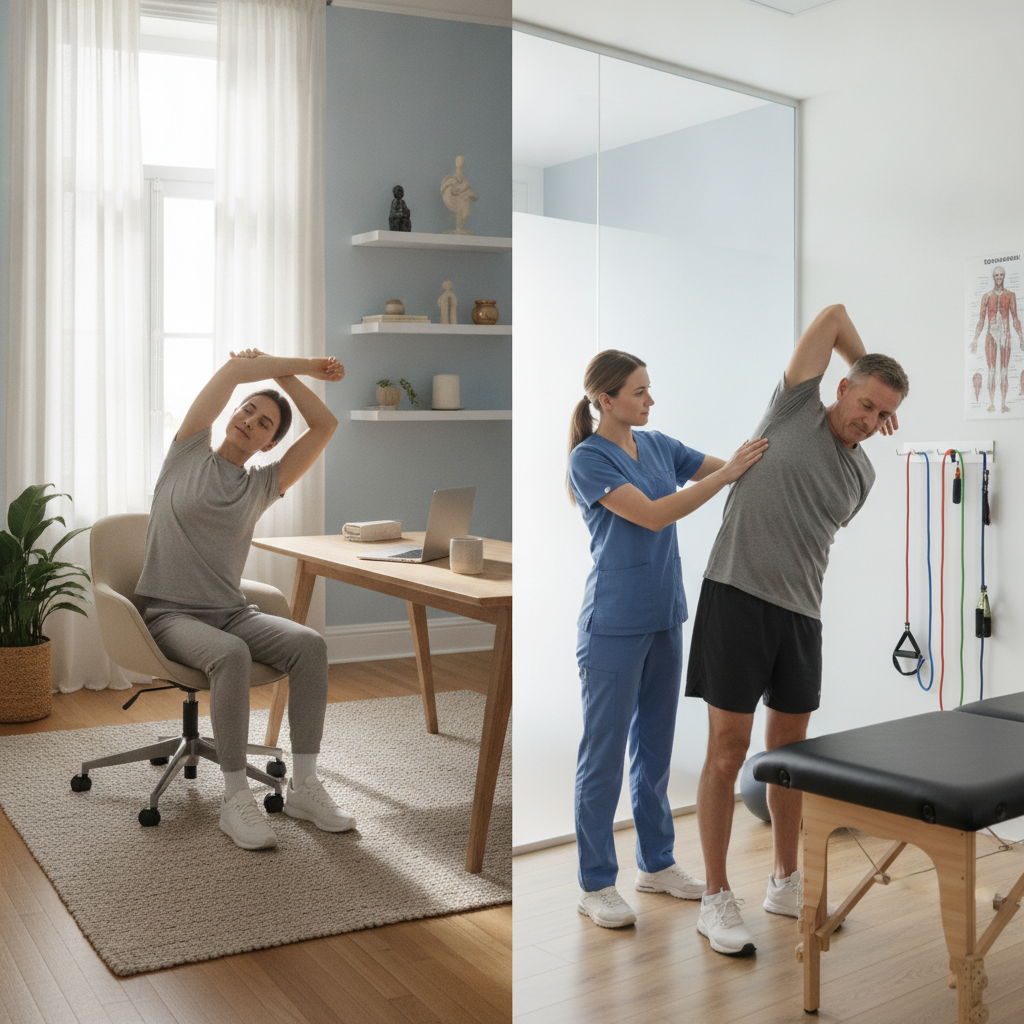
Back pain can disrupt every aspect of your life, from running a business to enjoying time with family. If you’re searching for effective back pain relief Rochester Hills residents trust, you’re not alone. Many people in this community are weighing the benefits of in-office treatments versus at-home strategies to manage discomfort and restore mobility. The right approach can depend on your lifestyle, the source and severity of your pain, and how much time you can dedicate to recovery. In this article, we’ll dive deep into both in-office and at-home methods, compare their strengths and limitations, and help you decide what makes sense for your unique needs. Whether you’re a small business owner who can’t afford to miss work or a developer who spends long hours at a desk, you’ll find actionable insights here. Let’s explore how you can take charge of your back health and get back to living pain-free.
Understanding the Roots of Back Pain
Before diving into relief strategies, it’s important to understand why back pain is so common. The back is a complex structure of bones, muscles, ligaments, and nerves. Everyday activities, poor posture, repetitive movements, or even stress can trigger pain. For small business owners and developers, hours spent sitting or lifting can strain the spine. Pinched nerves, muscle tension, herniated discs, and even mental stress can all contribute to discomfort. Recognizing the underlying cause helps you choose the right combination of in-office and at-home care. While some pain is acute and resolves quickly, chronic pain may indicate deeper issues that need professional attention. Consulting with a provider like Delta Chiropractic can help pinpoint the source and guide your next steps.
In-Office Treatments: What to Expect
Visiting a healthcare provider for back pain offers access to advanced diagnostic tools and hands-on therapies. In-office treatments may include chiropractic adjustments, physical therapy, massage, or even acupuncture. These sessions are tailored to your specific needs and can provide immediate relief for many types of pain. Providers use their expertise to identify misalignments, muscle imbalances, or nerve irritation. For people with persistent or severe pain, in-office care can jumpstart recovery and set the stage for long-term improvement. Many clinics in the area offer comprehensive evaluations and treatment plans. For those dealing with nerve pain, there are Non-Surgical Ways to Calm Burning, Tingling, and Leg Pain from Sciatica in Rochester Hills that can be discussed during your visit. The expertise and hands-on techniques available in the clinic setting are often difficult to replicate at home, making this a valuable first step for many.
Personalizing At-Home Back Pain Relief
At-home strategies empower you to take control of your recovery between office visits. This can include targeted stretches, strengthening exercises, heat or cold therapy, and lifestyle adjustments. The key is consistency and choosing activities that fit your pain level and daily routine. Simple habits, like taking breaks from sitting, using ergonomic furniture, or practicing mindfulness, can make a significant difference. Some people benefit from gentle yoga or Pilates, while others prefer walking or swimming. If you’re sensitive to traditional treatments, there are Gentle Chiropractic Techniques for Sensitive Patients in Rochester Hills, MI that can be adapted for home use with proper guidance. The main advantage of at-home care is flexibility, you can integrate relief techniques into your schedule and respond to pain flare-ups as they happen. However, it’s crucial to avoid overexertion or self-diagnosing complex issues, as this can sometimes make pain worse.
Comparing In-Office and At-Home Approaches
Both in-office and at-home strategies have their unique strengths. In-office treatments offer professional assessment and immediate intervention, which can be critical for acute or severe pain. These sessions often include modalities that aren’t available at home, such as spinal adjustments or advanced therapeutic equipment. On the other hand, at-home care excels in maintaining progress between appointments and preventing future flare-ups. It’s ideal for managing mild to moderate discomfort, building strength, and fostering healthy habits. Many people find that a hybrid approach, combining regular office visits with a personalized home routine, yields the best results. This balance allows for expert oversight while giving you the tools to manage your condition daily. Deciding which approach to prioritize depends on your pain level, lifestyle, and personal preferences. If you’re unsure, a provider can help you design a plan that leverages the best of both worlds.
When Should You Seek Professional Help?
While many cases of back pain respond well to self-care, there are times when professional intervention is necessary. If your pain is severe, persistent, or accompanied by symptoms like numbness, tingling, or weakness in the legs, it’s important to consult a healthcare provider. Sudden injuries, unexplained weight loss, or loss of bladder or bowel control are red flags that require immediate attention. Even if your pain is manageable, a professional evaluation can reveal underlying issues and prevent chronic problems. In the region, there are experienced practitioners who can provide thorough assessments and guide you toward safe, effective relief. Don’t hesitate to reach out if your symptoms are interfering with work, sleep, or daily activities. Early intervention can make a significant difference in your recovery timeline and overall quality of life.
Building a Sustainable Back Care Routine
Sustainable relief from back pain often comes from a blend of professional guidance and daily habits. Start by identifying triggers in your routine, prolonged sitting, heavy lifting, or poor posture, and make gradual changes. Incorporate gentle stretching and strengthening exercises recommended by your provider. Use ergonomic tools at work and home to support your spine. Schedule regular breaks, practice good lifting techniques, and prioritize sleep and stress management. Over time, these small adjustments can lead to big improvements in comfort and mobility. Remember, consistency is key. A few minutes of targeted exercise each day can prevent setbacks and support long-term health. If you need motivation, consider tracking your progress or partnering with a friend or coworker. The goal is to make back care a seamless part of your lifestyle, not a chore.
Table: Comparing In-Office and At-Home Strategies
| Aspect | In-Office Strategies | At-Home Strategies |
|---|---|---|
| Expertise | Direct professional oversight | Self-guided, based on provider advice |
| Tools & Equipment | Access to specialized devices | Basic items (mats, bands, pillows) |
| Convenience | Scheduled appointments | Anytime, flexible routine |
| Cost | Insurance or out-of-pocket | Usually minimal or free |
| Best For | Acute, severe, or complex pain | Maintenance, prevention, mild pain |
How Small Business Owners Can Prioritize Back Health
Running a business often means long hours, physical demands, and high stress, all of which can contribute to back pain. For entrepreneurs in this city, prioritizing back health is essential for productivity and well-being. Start by evaluating your workspace: ergonomic chairs, adjustable desks, and proper computer placement can reduce strain. Encourage movement throughout the day, whether it’s a quick walk, stretching, or standing meetings. Delegate heavy lifting when possible and use safe techniques when it’s unavoidable. Consider offering wellness programs or resources to your team, fostering a culture of health in the workplace. Remember, investing in your own health sets a positive example for employees and helps ensure the long-term success of your business.
Developers and Desk Workers: Unique Challenges and Solutions
Developers and anyone who spends hours at a computer face unique challenges when it comes to back pain. Prolonged sitting, poor posture, and repetitive movements can lead to stiffness and discomfort. To counteract these risks, set up your workstation to support good posture, monitor at eye level, feet flat on the floor, and arms at a comfortable angle. Schedule regular breaks to stand, stretch, and move around. Simple desk exercises, such as shoulder rolls or seated twists, can help relieve muscle tension. Consider using a sit-stand desk or taking calls while walking. At home, incorporate core strengthening and flexibility exercises to support spinal health. By making small adjustments to your daily routine, you can reduce pain and boost focus and productivity.
The Role of Stress and Mental Health in Back Pain
It’s easy to overlook the impact of stress and mental health on physical pain. Chronic stress can cause muscle tension, poor sleep, and even lower your threshold for pain. Mindfulness practices, such as meditation or deep breathing, can help break this cycle. Prioritize activities that help you unwind, whether it’s spending time outdoors, connecting with friends, or pursuing hobbies. If stress is contributing to your discomfort, consider speaking with a counselor or joining a support group. Addressing mental well-being is a crucial part of any back pain relief plan, enhancing both physical and emotional resilience.
Adapting Strategies for Different Lifestyles
No two people experience back pain the same way, and your relief strategy should reflect your lifestyle. Active individuals may benefit from sports-specific stretches and strength training, while those with sedentary jobs need regular movement breaks and ergonomic adjustments. Parents might need to focus on safe lifting techniques, and older adults may require gentler exercises to maintain mobility. The key is to listen to your body and adjust your routine as needed. Consult with a provider if you’re unsure which strategies are safe or effective for your situation. By personalizing your approach, you can find lasting relief and prevent future problems.
Key Takeaways
Finding the right balance between in-office and at-home strategies is key to lasting back pain relief. Professional treatments offer expert guidance and immediate results, while at-home care empowers you to maintain progress and prevent setbacks. By understanding your pain, seeking help when needed, and building healthy habits into your daily routine, you can take control of your back health. Whether you’re a small business owner, developer, or anyone striving for a more comfortable life, the tools for relief are within reach. Take the first step today toward a stronger, more resilient back and a better quality of life in this vibrant community.