

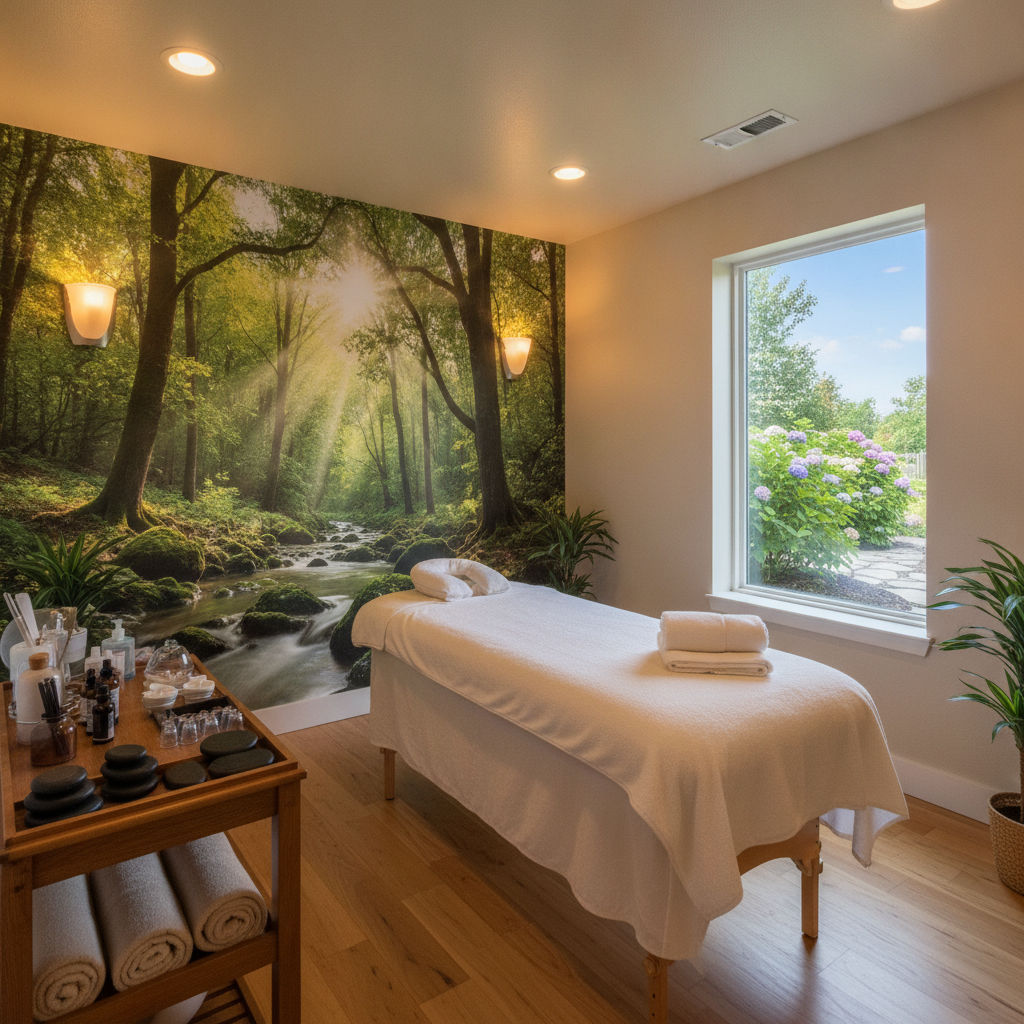
Back pain is one of the most common health complaints, affecting people from all walks of life, including small business owners, developers, and busy professionals. Whether it’s a dull ache after a long day at the desk or persistent discomfort that makes everyday tasks challenging, finding effective back pain relief in Rochester Hills MI can feel overwhelming. The good news is that advances in both traditional and modern therapies mean residents have more options than ever before. In this comprehensive guide, we’ll explore a wide range of management strategies, from hands-on care to lifestyle changes, and help you understand which approaches might work best for your unique needs. If you’re seeking real, lasting relief, read on to discover actionable solutions and expert insights tailored for this community.
Understanding the Causes of Chronic Back Pain
Chronic back pain is rarely the result of a single event. Instead, it often develops over time due to a combination of factors. Common contributors include poor posture, repetitive strain, muscle imbalances, aging-related changes, and previous injuries. For many small business owners and developers, long hours spent sitting or standing in one position can place excessive stress on the spine and surrounding muscles. Additionally, underlying medical conditions such as arthritis, degenerative disc disease, or spinal stenosis may play a role. Understanding the root causes of your discomfort is the first step toward effective management. A thorough assessment by a qualified provider can help identify the specific triggers and guide you toward appropriate treatment options. For those seeking professional guidance, Delta Chiropractic offers personalized evaluations to help pinpoint the source of your pain.
Exploring Non-Invasive Therapies for Lasting Relief
Non-invasive therapies have become increasingly popular for managing chronic back pain, offering relief without the risks associated with surgery or long-term medication use. These approaches include chiropractic adjustments, physical therapy, massage, and acupuncture. Chiropractic care, in particular, focuses on restoring alignment and mobility to the spine, which can alleviate pressure on nerves and reduce inflammation. Physical therapy emphasizes strengthening and stretching exercises tailored to your specific needs, helping to correct muscle imbalances and improve posture. Massage therapy can ease muscle tension and promote relaxation, while acupuncture may help modulate pain signals and support healing. Each of these therapies can be customized for sensitive patients, ensuring comfort and safety throughout the process. To learn more about gentle options, visit Gentle Chiropractic Techniques for Sensitive Patients in Rochester Hills, MI.
How Stress and Lifestyle Choices Affect Back Pain
Daily habits and emotional stress can significantly impact back pain. High-stress environments, common among entrepreneurs and tech professionals, often lead to muscle tension and poor movement patterns. Lack of regular exercise, inadequate sleep, and unhealthy eating can further exacerbate discomfort. Mind-body techniques such as mindfulness meditation, yoga, and breathing exercises have shown promise in reducing pain perception and improving overall well-being. Making small, sustainable changes, like incorporating short walks into your day or practicing relaxation techniques, can offer meaningful relief over time. For those dealing with overlapping symptoms, such as neck pain or headaches, exploring how these issues interact is crucial. Find out more at How Rochester Hills Chiropractors Help with Neck Pain and Headaches.
Medical Interventions and When They’re Necessary
While many people find relief through conservative therapies, there are situations where medical interventions become necessary. Persistent or severe pain that does not respond to non-invasive treatments may require further evaluation. Physicians may recommend diagnostic imaging, such as X-rays or MRIs, to identify structural issues like herniated discs or spinal stenosis. In some cases, medications, ranging from anti-inflammatories to muscle relaxants, are prescribed to manage acute flare-ups. For more complex conditions, interventional procedures such as epidural steroid injections or nerve blocks may be considered. Surgery is typically reserved for cases involving significant nerve compression or instability that impairs mobility or quality of life. It’s important to work closely with your healthcare team to weigh the benefits and risks of each option, ensuring a treatment plan that aligns with your goals and lifestyle.
The Role of Ergonomics in Preventing Recurrence
Ergonomics plays a vital role in both preventing and managing chronic back pain, especially for those who spend long hours at a desk or workstation. Proper chair support, monitor height, and keyboard placement can dramatically reduce strain on the spine and muscles. Investing in adjustable furniture, using footrests, and taking regular breaks to stretch can help maintain healthy posture throughout the day. For business owners and developers, creating a workspace that encourages movement and supports natural alignment is an investment in long-term health. Simple changes, such as switching to a standing desk or using a lumbar cushion, can make a significant difference. Consulting with an ergonomic specialist can provide personalized recommendations tailored to your work environment and daily routines.
Exercise and Movement: Building a Stronger Back
Regular physical activity is essential for maintaining a healthy spine and preventing future episodes of pain. Strengthening the core muscles, including the abdominals, back extensors, and hips, provides stability and support for the lower back. Low-impact activities such as walking, swimming, and cycling are excellent choices for those with chronic pain, as they minimize stress on the joints while promoting mobility. Stretching exercises, particularly for the hamstrings and hip flexors, can relieve tension that contributes to discomfort. It’s important to start slowly and progress gradually, especially if you’re new to exercise or recovering from an injury. Working with a physical therapist or certified trainer ensures you’re performing movements safely and effectively, maximizing benefits while minimizing risk.
Pain Management Techniques for Daily Life
Living with chronic back pain requires a toolkit of strategies for managing symptoms day to day. Heat and cold therapy, for example, can help reduce inflammation and soothe sore muscles. Over-the-counter pain relievers may provide short-term relief, but should be used judiciously and under medical supervision. Mindfulness and relaxation techniques, such as progressive muscle relaxation or guided imagery, can lower stress and decrease pain perception. Adaptive tools, like supportive pillows or ergonomic footwear, can make daily activities more comfortable. It’s also important to listen to your body and avoid overexertion, especially during flare-ups. By combining these techniques, residents can maintain a higher quality of life and remain active despite chronic discomfort.
Integrative and Alternative Approaches to Back Pain
Beyond conventional medicine, many people turn to integrative and alternative therapies for additional support. Practices such as yoga, tai chi, and Pilates emphasize gentle movement, flexibility, and body awareness, all of which can help manage pain and prevent recurrence. Herbal remedies and dietary supplements, including turmeric and omega-3 fatty acids, may offer anti-inflammatory benefits for some individuals. It’s essential to consult with a healthcare provider before starting any new supplement or alternative therapy, as interactions and contraindications can occur. Combining these approaches with traditional treatments can create a holistic plan that addresses both the physical and emotional aspects of chronic pain.
Comparing Popular Back Pain Management Options
| Management Option | Benefits | Considerations |
|---|---|---|
| Chiropractic Care | Restores spinal alignment, reduces nerve pressure | May require ongoing sessions |
| Physical Therapy | Strengthens muscles, improves mobility | Needs commitment to exercises |
| Massage Therapy | Relieves muscle tension, promotes relaxation | Temporary relief for some conditions |
| Medication | Reduces pain and inflammation quickly | Potential side effects, not for long-term use |
| Surgery | Addresses structural issues directly | Reserved for severe cases, longer recovery |
| Integrative Therapies | Supports overall well-being, complements other treatments | Effectiveness varies by individual |
When to Seek Professional Help in the Area
Knowing when to consult a professional is essential for effective back pain management. If you experience persistent pain lasting more than a few weeks, sudden weakness or numbness, or pain following an injury, it’s important to seek medical attention promptly. Early intervention can prevent minor issues from becoming chronic problems. Local providers offer a range of services, from diagnostic assessments to tailored treatment plans, ensuring you receive the care best suited to your needs. Residents benefit from a collaborative approach, where chiropractors, physical therapists, and physicians work together to address both immediate symptoms and long-term health goals. Don’t hesitate to reach out if your pain is interfering with work, sleep, or daily activities, timely support can make all the difference.
Empowering Yourself: Self-Care and Prevention Strategies
Taking an active role in your own health is one of the most effective ways to manage and prevent chronic back pain. Establishing daily routines that prioritize movement, posture, and stress reduction can create a strong foundation for long-term relief. Simple self-care practices, such as regular stretching, mindful breathing, and using supportive devices, help maintain spinal health. Staying informed about your condition and treatment options empowers you to make decisions that align with your lifestyle and goals. Connecting with local support groups or online communities can provide encouragement and practical advice from others facing similar challenges. Remember, prevention is always easier than treatment, so make self-care a priority in your daily life.
Final Thoughts
Chronic back pain can be a complex and frustrating condition, but with the right information and support, effective relief is within reach. Residents of this city have access to a diverse array of management options, from hands-on therapies to lifestyle adjustments and integrative care. By understanding the underlying causes, exploring a variety of treatment strategies, and taking an active role in your recovery, you can reclaim comfort and mobility in your daily life. Whether you’re a small business owner, developer, or simply someone seeking to feel your best, remember that help is available, and lasting back pain relief is possible with the right approach.