

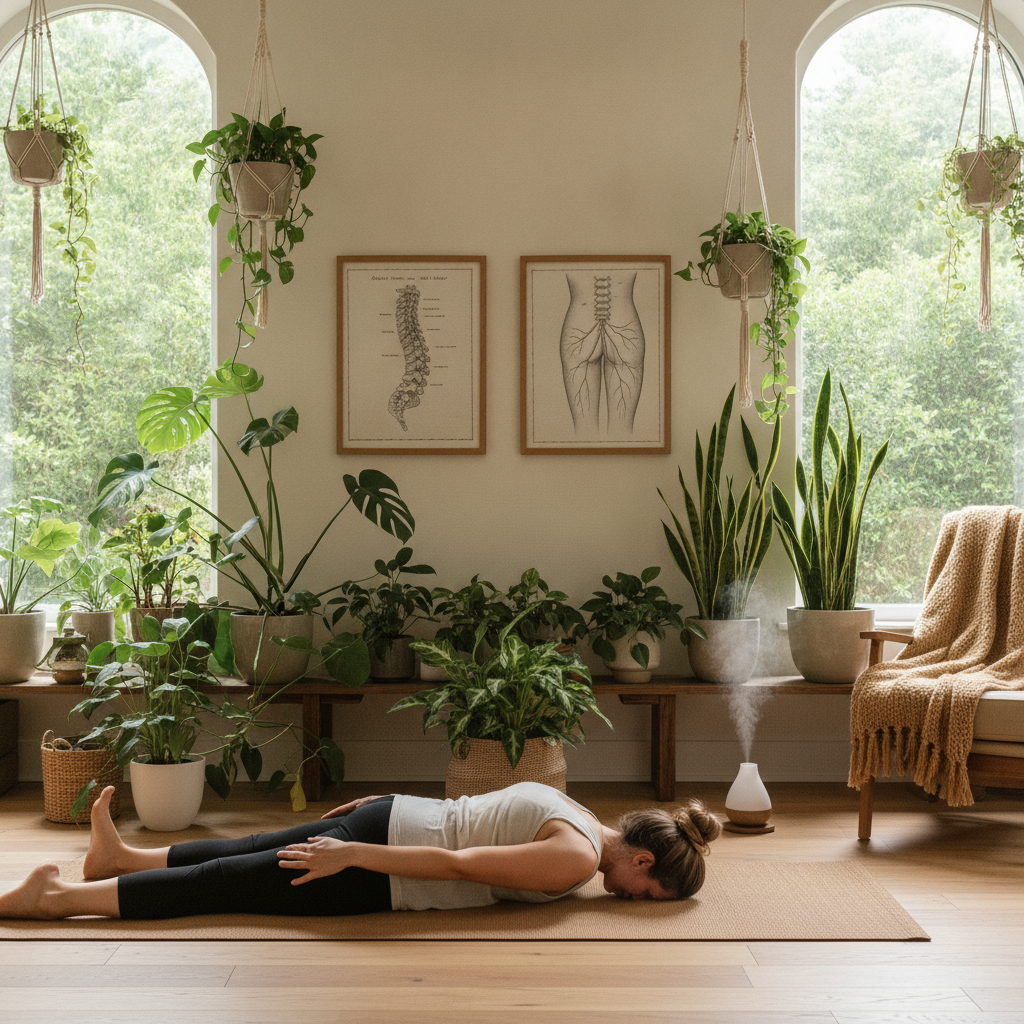
If you’ve ever felt that sharp, shooting pain down your leg or a persistent ache in your lower back, you’re not alone. Sciatic nerve irritation is a common complaint for many people in the area, often disrupting work, daily routines, and even sleep. For small business owners and developers who spend long hours at a desk, or anyone who finds themselves in repetitive positions, understanding the connection between posture and sciatica is crucial. In this article, we’ll explore how simple posture changes can play a powerful role in reducing sciatic nerve irritation, what science says about movement and nerve health, and practical strategies for integrating these habits into your life. Whether you’re seeking information for yourself, your employees, or your family, you’ll find actionable insights to help you move more comfortably and confidently. Let’s dive into the world of posture, nerves, and lasting relief, starting with the basics of sciatica treatment Rochester Hills residents are searching for.
Understanding Sciatic Nerve Irritation
The sciatic nerve is the largest nerve in the human body, running from the lower back through the hips and down each leg. When this nerve becomes compressed or irritated, often by a herniated disc, bone spur, or muscle tension, it can result in sharp, radiating pain, numbness, or tingling sensations. Many people experience these symptoms after long periods of sitting, standing, or performing repetitive motions. The discomfort can range from mild to severe, sometimes making it difficult to walk or even stand. For those seeking sciatica treatment Rochester Hills providers frequently emphasize the importance of identifying the root cause, as this helps tailor the most effective interventions. Understanding what triggers sciatic nerve irritation is the first step toward meaningful relief.
How Posture Influences Sciatica Symptoms
Posture isn’t just about how you look, it’s about how your body functions. Poor posture, such as slouching at a desk or standing with uneven weight distribution, can place extra pressure on the lower spine and surrounding muscles. This pressure may irritate the sciatic nerve, leading to pain or discomfort. Conversely, maintaining a balanced, upright posture helps distribute weight evenly, reducing unnecessary strain on the lower back. Small adjustments, like keeping feet flat on the floor or aligning the ears with the shoulders, can make a significant difference. Experts in posture and sciatica often recommend ergonomic workstations and mindful movement as foundational strategies for both prevention and relief.
The Science Behind Movement and Nerve Health
Scientific studies show that regular movement and frequent posture changes can help maintain nerve health and reduce irritation. When you remain in one position for too long, blood flow to the lower back and legs can decrease, increasing inflammation and compressing nerves. Gentle stretching, periodic standing, and even short walks throughout the day help keep muscles flexible and nerves less susceptible to irritation. Many people in this community have found that integrating micro-movements into their daily routine, such as shifting weight from one foot to the other or rolling shoulders periodically, can ease symptoms. Consulting a Chiropractor in Rochester Hills, MI can also provide personalized guidance on movement strategies tailored to your unique needs.
Common Postural Mistakes That Aggravate Sciatica
Certain postural habits are notorious for worsening sciatic nerve irritation. Crossing legs while sitting, slumping over a keyboard, or standing with weight shifted to one side can all contribute to nerve compression. Even seemingly harmless actions, like carrying a heavy bag on one shoulder, may create muscular imbalances that irritate the sciatic nerve. For those who spend hours driving or working at a computer, it’s especially important to be mindful of these tendencies. Addressing these habits early can prevent the escalation of symptoms. For further insight, see Why Rochester Hills Patients Turn to Chiropractic for Vertigo and Balance Concerns, which highlights how posture impacts more than just the lower back.
Why Sciatica Pain Feels Different for Everyone
No two cases of sciatic nerve irritation are exactly alike. Some people experience pain that shoots down the back of the leg, while others feel numbness or tingling in the foot. This variation is often due to differences in posture, muscle tightness, and the specific location of nerve compression. Factors such as body mechanics, daily activities, and even footwear can influence how and where pain is felt. Understanding these nuances is key to finding the right approach for relief. To learn more about why pain patterns differ, check out Why Sciatica Pain May Travel Differently Down the Leg for Rochester Hills Patients. Recognizing your unique experience can help guide more effective posture changes and interventions.
Simple Posture Adjustments for Everyday Life
Making small, consistent posture adjustments throughout the day can significantly reduce sciatic nerve irritation. Start by checking your sitting position: keep your feet flat, knees at hip level, and back supported. When standing, distribute your weight evenly between both feet and avoid locking your knees. For those who work at a desk, adjust your chair and monitor so that your eyes are level with the top of the screen and your shoulders remain relaxed. If you drive frequently, use a lumbar cushion to support your lower back and avoid slouching. These simple changes, when practiced regularly, can help relieve pressure on the sciatic nerve and promote long-term comfort. The key is to remain mindful of your body’s alignment and make adjustments as needed.
The Role of Ergonomics in Preventing Sciatic Discomfort
Ergonomics is the science of designing your environment to fit your body, rather than forcing your body to fit your environment. Proper ergonomic setups at work and home can help prevent sciatic nerve irritation by minimizing strain on the spine and muscles. Invest in an adjustable chair with good lumbar support, position your keyboard and mouse at a comfortable height, and ensure your monitor is at eye level. For those who use laptops, consider a separate keyboard and mouse to avoid hunching. At home, choose supportive seating and avoid prolonged lounging on soft couches. Even small ergonomic improvements can make a big difference in reducing discomfort and supporting healthy posture. Regularly reviewing your workspace and making necessary adjustments can help maintain nerve health and overall well-being.
Table: Posture Tips for Different Activities
| Activity | Posture Tip |
|---|---|
| Sitting at a Desk | Keep feet flat, hips and knees at 90°, use lumbar support |
| Standing | Distribute weight evenly, avoid locking knees |
| Driving | Use lumbar cushion, adjust seat for upright posture |
| Lifting Objects | Bend at knees, keep back straight, hold objects close |
| Using a Computer | Monitor at eye level, shoulders relaxed, wrists neutral |
Stretching and Movement Breaks for Nerve Relief
Incorporating regular stretching and movement breaks into your day can be a game-changer for those dealing with sciatic nerve irritation. Gentle stretches, such as knee-to-chest, seated spinal twists, and hamstring stretches, help release tension in the lower back and legs. Set a timer to remind yourself to stand up and move every 30 to 60 minutes, even if it’s just for a minute or two. Walking around the office, doing a few calf raises, or rolling your shoulders can stimulate blood flow and ease nerve compression. These habits are especially helpful for people with sedentary jobs or long commutes. Over time, consistent movement breaks can help reduce the frequency and intensity of sciatic symptoms, making daily life more comfortable and productive.
When to Seek Professional Help for Sciatica
While posture changes and movement can provide significant relief for many people, there are times when professional care is necessary. If you experience severe pain, persistent numbness, muscle weakness, or symptoms that do not improve with self-care, consult a healthcare provider. Chiropractors, physical therapists, and physicians can perform a thorough evaluation to determine the underlying cause of your symptoms and recommend targeted treatments. Early intervention can prevent chronic pain and help you return to normal activities more quickly. Remember, everyone’s experience with sciatic nerve irritation is unique, and personalized care is often the key to lasting relief. Don’t hesitate to reach out for support if your symptoms interfere with your quality of life or daily functioning.
Integrating Posture Awareness Into Your Routine
Building posture awareness into your daily routine doesn’t have to be complicated. Start by setting reminders on your phone or computer to check your alignment every hour. Use sticky notes or visual cues at your workstation to prompt posture checks. Consider joining a yoga or Pilates class to develop core strength and body awareness, which support healthy posture. Encourage your team or family members to join you in these habits, creating a culture of movement and self-care. Over time, these small changes become second nature, reducing the risk of sciatic nerve irritation and improving overall well-being. The more you practice, the easier it becomes to maintain good posture, even during busy or stressful days.
The Bottom Line
Sciatic nerve irritation can be a frustrating and sometimes debilitating condition, but the power of posture should not be underestimated. By making mindful adjustments to how you sit, stand, and move, you can relieve pressure on the sciatic nerve and reduce discomfort. Whether you’re a small business owner, developer, or simply someone looking to improve daily comfort, these strategies offer practical, sustainable relief. Remember, every body is different, what works for one person may not work for another. Stay curious, listen to your body, and don’t hesitate to seek professional guidance when needed. With consistent effort and the right support, you can move through life with greater ease and confidence, free from the limitations of sciatic pain.