


Tension headaches are often caused by stress, poor posture, muscle tension, and various environmental factors. Skipping meals, excessive caffeine, and dehydration can also trigger them. Hormonal fluctuations, especially in women, and prolonged screen time add to the risk. These headaches can disrupt your daily life and affect your emotional well-being. By understanding these causes, you can better manage and prevent tension headaches. Keep going to discover effective strategies for relief and improvement.
Key Takeaways
- Tension headaches are often triggered by stress, leading to muscle tension and discomfort around the head.
- Dietary factors like skipping meals and excessive caffeine can contribute to the onset of tension headaches.
- Environmental triggers, such as loud noises and strong odors, play a significant role in causing tension headaches.
- Poor posture, especially during prolonged screen time, increases strain on the neck and back, leading to headaches.
- Hormonal fluctuations, particularly in women, can trigger tension headaches during certain times of the month.
Identifying and Managing Tension Headaches: Symptoms and Solutions
 When you experience a tension headache, recognizing the symptoms early can help you manage the discomfort effectively. Common signs include a dull ache, tightness around your head, and sensitivity to light or noise.
Recognizing early symptoms of tension headaches, like dull aches and tightness, can significantly aid in effective management.
For pain relief, consider hydration importance; drinking water can ease symptoms. Incorporating stress management techniques like mindfulness practices and relaxation techniques, such as deep breathing exercises, can also provide relief.
Ergonomic adjustments to your workspace can reduce the strain on your body, while physical therapy might address any trigger points contributing to your headaches.
Regular engagement in these practices promotes tension reduction and helps you feel more balanced. Remember, managing tension headaches is about understanding your body and responding proactively.
Top Triggers for Tension Headaches
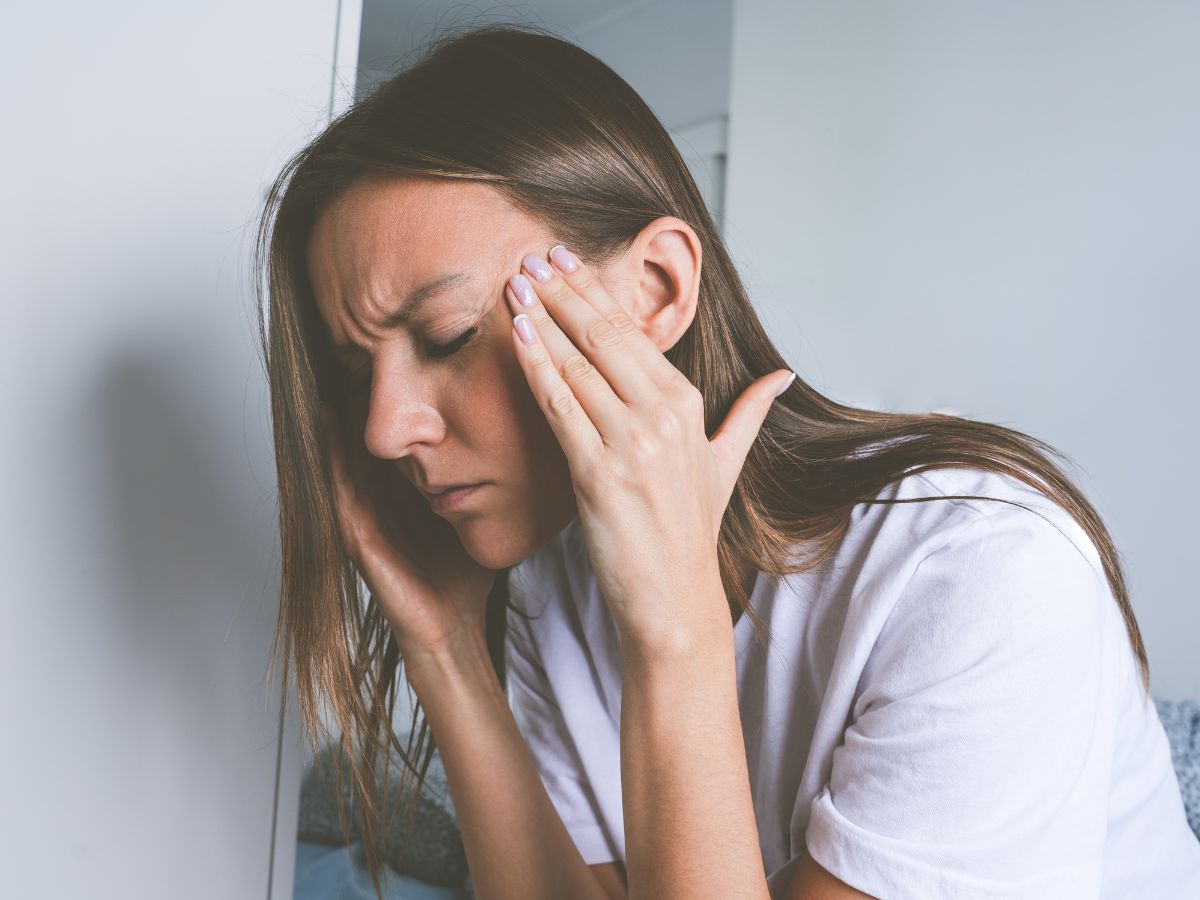 Understanding the top triggers for tension headaches can empower you to take control of your health. Several factors can contribute to these headaches, and being aware of them can help you avoid discomfort.
Dietary factors, such as skipping meals or consuming excessive caffeine, can lead to headaches. Environmental triggers, like loud noises or strong odors, might also play a role.
You should pay attention to your hydration levels; dehydration can cause tension headaches. Additionally, hormonal fluctuations, particularly in women, may trigger headaches at certain times.
Eye strain from prolonged screen time can add to the problem, so take breaks to rest your eyes. Finally, physical inactivity can increase your likelihood of developing tension headaches.
Understanding How Stress Contributes to Tension Headaches
Stress plays a significant role in triggering tension headaches, often creating a cycle that’s difficult to break. When you experience stress, your body tenses up, leading to discomfort and pain.
Emotional triggers, like anxiety or frustration, can heighten this tension, making headaches more likely. Cognitive factors, such as negative thought patterns, can also intensify your stress response.
To combat this, effective stress management is crucial. Incorporating relaxation techniques, like deep breathing or progressive muscle relaxation, can help ease your body and mind.
Developing coping strategies, such as journaling or talking with friends, allows you to process your emotions constructively. Mindfulness practices, like meditation, can further enhance your awareness of stressors, empowering you to respond more calmly.
How Poor Posture Contributes to Tension Headaches
Poor posture can greatly contribute to tension headaches, often exacerbating the effects of stress and emotional strain. When you’re slouched or misaligned, it can lead to increased muscle tension and discomfort. To help you understand how posture impacts your well-being, consider the following table:
| Factor | Poor Posture Impact | Solutions |
| Spinal Alignment | Increases strain on neck & back | Ergonomic adjustments |
| Desk Setup | Causes awkward angles | Proper desk arrangement |
| Body Mechanics | Affects movement efficiency | Stretching exercises |
| Mindful Awareness | Reduces focus on posture | Regular posture checks |
| Muscle Relaxation | Increases tension & pain | Relaxation techniques |
Engaging in posture correction and practicing mindful awareness can help reduce tension headaches. Incorporate stretching exercises into your routine for muscle relaxation and better spinal alignment.
How Muscle Tension Triggers Tension Headaches
Muscle tension can sneak up on you, often leading to debilitating tension headaches. When your muscles tighten, especially around your neck and shoulders, they can create painful trigger points.
These tight spots can radiate discomfort, causing headaches that disrupt your day. To combat this, consider implementing strategies for muscle relaxation and tension release.
- Practice ergonomic adjustments at your workspace.
- Use breathing techniques for quick stress relief.
- Engage in mindfulness practices to stay present and relaxed.
- Explore physical therapy to address underlying issues.
How Sleep Deprivation Leads to Tension Headaches
Tension headaches can also stem from lack of sleep, which disrupts your body’s ability to manage stress and tension. When you don’t get enough restorative sleep, your sleep quality suffers, leading to increased fatigue impact. This fatigue can heighten feelings of stress, making you more susceptible to headaches.
Your circadian rhythm plays an essential role in regulating your sleep patterns. Disruptions, whether from sleep disorders or late-night activities, can throw your body off balance, leaving you feeling mentally foggy and less focused.
Without proper rest, your brain struggles to function, diminishing mental clarity and increasing tension.
To combat tension headaches, prioritize good sleep hygiene. Establishing a consistent sleep schedule and creating a calming bedtime routine can help improve your sleep quality, ensuring you wake up refreshed and ready to tackle the day.
Lifestyle Choices That Can Trigger Tension Headaches
While many factors can contribute to headaches, certain lifestyle choices often play a significant role in triggering tension headaches. By being mindful of your daily habits, you can help reduce the frequency and intensity of these headaches.
Many factors contribute to headaches, but mindful lifestyle choices can significantly reduce their frequency and intensity.
Consider the following lifestyle choices:
- Dietary habits: Unbalanced meals or skipping meals can lead to headaches.
- Hydration levels: Dehydration often results from inadequate water intake.
- Screen time: Prolonged exposure to screens can strain your eyes and neck.
- Caffeine intake: Too much caffeine or withdrawal can trigger headaches.
Incorporating relaxation techniques into your routine, maintaining a comfortable work environment, and prioritizing social interactions can also make a difference.
Regular exercise routines help alleviate tension, while being aware of your habits can empower you to make positive changes.
When to Seek Medical Help for Tension Headaches?
If you’re dealing with tension headaches that last longer than a few days, it might be time to seek medical help.
Pay attention to any severe symptoms that accompany your pain, like vision changes or dizziness.
If your headaches interfere with your daily life, don’t hesitate to consult a healthcare professional.
Persistent Pain Duration
Understanding when to seek medical help for persistent pain can be essential in managing tension headaches effectively. If you’re experiencing chronic pain that lasts longer than a few days, it’s important to consult a healthcare professional. Recognizing the right time to reach out is significant for your well-being.
Consider seeking help if you notice:
- Pain duration exceeding 15 days in a month
- Headaches worsening in intensity or frequency
- Difficulty performing daily activities due to pain
- Over-the-counter medications proving ineffective
Don’t hesitate to get advice if your tension headaches disrupt your life. Early intervention can lead to better management and relief, allowing you to regain control over your daily activities.
Accompanying Severe Symptoms
Persistent pain isn’t the only factor to contemplate when evaluating tension headaches. If you experience nausea symptoms alongside your headache, it’s a signal that you should pay attention.
Light sensitivity is another severe symptom that can indicate a more serious issue. When these symptoms accompany your tension headaches, it’s vital to seek medical help.
Also, if your headaches are worsening or occurring more frequently, don’t hesitate to reach out to a healthcare professional. Ignoring these signs might lead to complications or misdiagnosis.
Trust your instincts; if something feels off, getting expert advice can provide peace of mind and appropriate care. Your health is important, so don’t wait too long to seek help if you notice these alarming symptoms.
Impact on Daily Life
Tension headaches can greatly impact your daily life, making it hard to focus on tasks or enjoy activities you once loved.
They can disrupt your daily activities and affect your emotional well-being, leading to stress and frustration. It’s crucial to recognize when these headaches become more than just a nuisance.
Consider seeking medical help if you experience:
- Frequent headaches that interfere with your daily activities
- Persistent pain lasting more than a few hours
- Increased severity or changes in headache patterns
- Additional symptoms like nausea or visual disturbances
Addressing tension headaches early can help you regain control over your life and improve your overall emotional well-being.
Don’t hesitate to reach out to a healthcare professional for guidance and support.
Frequently Asked Questions
Can Tension Headaches Occur Without Any Obvious Triggers?
Yes, tension headaches can occur without obvious triggers. Psychological stress and muscle tension often build up silently, leading to discomfort. You might not recognize these factors, but they can greatly contribute to your headaches.
Are Certain Demographics More Prone to Tension Headaches?
Yes, certain demographics are more prone to tension headaches. Younger adults often experience higher stress levels, while older individuals might face age factors that contribute to chronic tension headaches. Managing stress can help reduce occurrences.
How Do Hormonal Changes Affect Tension Headaches?
Hormonal fluctuations during menstrual cycles can trigger tension headaches for you. Changes in estrogen and progesterone levels often affect neurotransmitters, leading to increased muscle tension and headaches. Staying aware of these patterns can help manage symptoms.
Can Diet Influence the Frequency of Tension Headaches?
Yes, your diet can influence tension headaches. Certain dietary triggers, like aged cheeses or processed meats, might worsen them. Additionally, caffeine’s impact varies; too much can lead to headaches, while moderate intake might help relieve tension.
What Are the Long-Term Effects of Chronic Tension Headaches?
Chronic tension headaches can lead to persistent chronic pain, affecting your daily life. You might experience increased stress and anxiety, but various treatment options, like therapy or medication, can help manage these long-term effects effectively.
Final Thoughts
Tension headaches may be common, but that does not mean you have to live with them. When stress, poor posture, muscle tension, or spinal issues continue to build over time, headaches can become a recurring part of daily life. The key is not just managing the symptoms, but identifying and addressing the underlying cause.
At Delta Chiropractic Rochester Hills, we help patients get to the root of recurring headache pain with personalized chiropractic care. Whether your symptoms are tied to headaches, migraines, or ongoing neck pain, our goal is to help you find lasting relief and improve how you feel each day. If tension headaches are affecting your work, sleep, or quality of life, contact us today or schedule an appointment to take the next step toward lasting relief.