

Sciatica can be an unwelcome companion, especially for busy small business owners, developers, and anyone who spends long hours at a desk or on their feet. The sharp, radiating pain that shoots from your lower back down your leg can disrupt your work, hobbies, and even your sleep. If you’re looking for effective sciatica treatment Rochester Hills MI residents trust, you’re not alone. Many people in the area are seeking practical, at-home solutions to ease discomfort and regain mobility. In this guide, we’ll break down simple exercises and lifestyle tweaks that can help you manage sciatica symptoms, whether you’re new to this challenge or have been dealing with it for a while. Our approach is straightforward, actionable, and designed for real people juggling work and life in this community. Read on to discover how you can take control of your sciatica and start feeling better today.
Sciatica Treatment Options in Rochester Hills
When it comes to managing sciatica, understanding your treatment options is the first step toward relief. In the area, many people turn to a combination of professional care and home-based strategies. Chiropractic care, physical therapy, and targeted exercise routines are among the most recommended approaches. For those seeking sciatica treatment, local clinics offer personalized plans that address the root cause of nerve irritation. These plans often include spinal adjustments, stretching protocols, and ergonomic advice tailored to your daily routine. By combining professional guidance with self-care, you can create a comprehensive plan that fits your lifestyle and helps you get back to your best self. Remember, early intervention is key, don’t wait for the pain to become overwhelming before seeking help.
Effective Sciatica Treatment in Rochester Hills, MI
For those living in the region, finding effective sciatica treatment Rochester Hills MI professionals recommend is crucial for lasting relief. Physical therapists often design exercise programs that focus on strengthening the muscles supporting your spine and improving flexibility. These exercises not only reduce current discomfort but also help prevent future flare-ups. Simple stretches like the seated piriformis stretch, gentle hamstring stretches, and pelvic tilts can be performed at home with minimal equipment. Consistency is essential, committing to a daily routine, even if it’s just 10-15 minutes, can make a significant difference over time. Additionally, many practitioners in the neighborhood encourage integrating core strengthening into your regimen, as a strong core stabilizes the lower back and reduces pressure on the sciatic nerve. Always consult a healthcare provider before starting any new exercise program, especially if your symptoms are severe or worsening.
Personalized Sciatica Treatment in Rochester Hills Michigan
Personalized care is a cornerstone of successful sciatica treatment Rochester Hills MI clinics provide. Local specialists understand that each case of sciatica is unique, what works for one person may not work for another. That’s why individualized assessments are so important. During your initial visit, a provider will evaluate your posture, movement patterns, and medical history to identify contributing factors. This thorough approach ensures that your treatment plan addresses not just the symptoms but also the underlying causes. For example, if prolonged sitting at your desk is a trigger, your plan might include ergonomic adjustments and specific stretches to counteract tight hip flexors. If heavy lifting is part of your job, you’ll learn safe lifting techniques and core stabilization exercises. By tailoring your care, providers in this city help you achieve better outcomes and faster recovery.
Understanding Sciatica and Its Causes
Sciatica is not a condition in itself but a symptom of an underlying problem affecting the sciatic nerve. The sciatic nerve is the largest in the body, running from your lower back through your hips and down each leg. When this nerve is compressed or irritated, often due to a herniated disc, spinal stenosis, or muscle tightness, it can cause pain, tingling, numbness, or weakness along its path. Understanding the root cause of your sciatica is essential for effective treatment. For instance, if a herniated disc is to blame, exercises that reduce pressure on the spine can help. If muscle tightness is the issue, targeted stretching and mobility work are key. By identifying what’s causing your discomfort, you can choose the most effective strategies for relief. Consulting with a healthcare professional ensures you’re addressing the right problem and not just masking symptoms.
Simple Stretches for Sciatica Relief
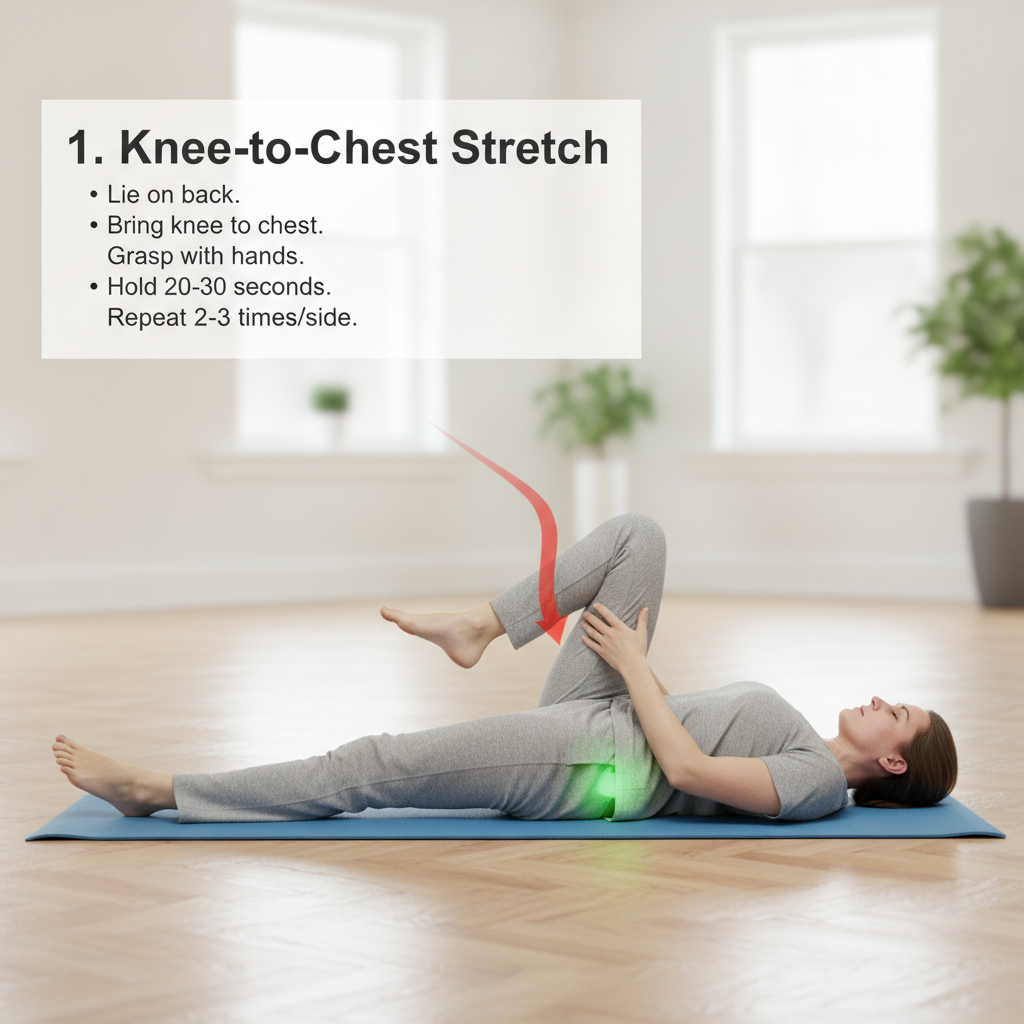
Stretching is a powerful tool for managing sciatica discomfort. Certain stretches target the muscles that commonly contribute to sciatic nerve irritation, such as the piriformis, hamstrings, and lower back muscles. Here are a few effective stretches to incorporate into your daily routine:
- Piriformis Stretch: Lie on your back, cross one leg over the opposite knee, and gently pull the uncrossed leg toward your chest. Hold for 20-30 seconds and switch sides.
- Seated Hamstring Stretch: Sit on the floor with one leg extended and the other bent. Lean forward gently over the extended leg, keeping your back straight. Hold for 20-30 seconds.
- Child’s Pose: Kneel on the floor, sit back on your heels, and stretch your arms forward on the floor. Hold for 30 seconds to a minute.
These stretches help release tension in the lower back and hips, reducing pressure on the sciatic nerve. Perform each stretch slowly and avoid bouncing or forcing your body into uncomfortable positions. If you experience sharp pain, stop immediately and consult a professional. Over time, regular stretching can improve flexibility and reduce the frequency and intensity of sciatica symptoms.
Strengthening Exercises for Sciatica Support
Strengthening the muscles that support your spine and pelvis is essential for long-term sciatica relief. Core stability exercises, in particular, can help distribute pressure more evenly across your lower back and reduce the risk of nerve compression. Here are some beginner-friendly exercises to try:
- Pelvic Tilts: Lie on your back with knees bent and feet flat on the floor. Tighten your abdominal muscles and gently tilt your pelvis upward, flattening your lower back against the floor. Hold for a few seconds, then release.
- Bird Dog: Start on your hands and knees. Extend one arm forward and the opposite leg back, keeping your back flat. Hold for a few seconds, then switch sides.
- Bridge Exercise: Lie on your back with knees bent. Lift your hips toward the ceiling, squeezing your glutes and core. Hold for a few seconds, then lower slowly.
Aim to perform these exercises 2-3 times per week, gradually increasing repetitions as you build strength. Stronger core and hip muscles provide better support for your spine and can help prevent future sciatica episodes.
Lifestyle Tips to Prevent Sciatica Flare-Ups
Beyond exercises, certain lifestyle adjustments can make a big difference in managing and preventing sciatica discomfort. Here are some practical tips for daily life:
- Practice Good Posture: Whether you’re sitting at a desk or standing, keep your back straight, shoulders relaxed, and feet flat on the floor.
- Take Regular Breaks: If your work involves long periods of sitting, stand up and stretch every 30-60 minutes.
- Use Supportive Furniture: Invest in an ergonomic chair or use lumbar support cushions to maintain proper spinal alignment.
- Lift Smart: When lifting objects, bend at your knees and hips, not your back. Hold items close to your body.
- Stay Active: Regular low-impact activities like walking, swimming, or cycling help keep your muscles flexible and strong.
By integrating these habits into your routine, you can reduce the risk of sciatica flare-ups and support your overall spinal health.
When to Seek Professional Help
While many cases of sciatica improve with self-care and exercise, there are times when professional intervention is necessary. If you experience severe pain, loss of sensation, muscle weakness, or difficulty controlling your bladder or bowels, seek medical attention immediately. These symptoms may indicate a more serious condition that requires prompt treatment. Additionally, if your symptoms persist for more than a few weeks or worsen despite your efforts, consult a healthcare provider. Professionals can offer advanced treatments such as physical therapy, chiropractic adjustments, or even minimally invasive procedures if needed. Early intervention can prevent complications and help you return to your normal activities more quickly. Remember, listening to your body and seeking help when needed is an important part of your recovery journey.
Comparing Common Sciatica Exercises
| Exercise | Target Area | Benefit |
|---|---|---|
| Piriformis Stretch | Hips/Buttocks | Relieves nerve pressure |
| Hamstring Stretch | Back of Thigh | Improves flexibility |
| Pelvic Tilt | Lower Back/Core | Strengthens core |
| Bird Dog | Back/Abdominals | Enhances stability |
| Bridge | Glutes/Core | Builds support muscles |
This table highlights some of the most effective exercises for sciatica relief, their target areas, and the benefits they offer. Incorporating a mix of these movements into your routine can help address different aspects of sciatica discomfort and promote overall spinal health.
Staying Motivated and Consistent
Consistency is the secret ingredient to successful sciatica treatment Rochester Hills MI residents can rely on. It’s easy to start strong and then let your routine slip as life gets busy. To stay motivated, set realistic goals and track your progress. Even small improvements, like reduced pain or increased flexibility, are worth celebrating. Consider joining a local support group or finding an accountability partner to keep you on track. Remember, it’s normal to have ups and downs, what matters is getting back on course when you stumble. If you’re struggling to stay consistent, revisit your goals and remind yourself of the benefits you’ve experienced. Over time, these healthy habits will become second nature, leading to lasting relief and improved quality of life.
Final Thoughts
Managing sciatica doesn’t have to be overwhelming. With the right combination of simple exercises, lifestyle adjustments, and professional guidance, you can take control of your discomfort and get back to doing what you love. Remember to listen to your body, stay consistent with your routine, and seek help if symptoms persist or worsen. By making small, sustainable changes, you’ll set yourself up for long-term relief and a healthier, more active life. Whether you’re a business owner, developer, or simply someone looking for answers, these strategies can help you find the comfort and mobility you deserve. Don’t let sciatica hold you back, take the first step today toward a pain-free future.