

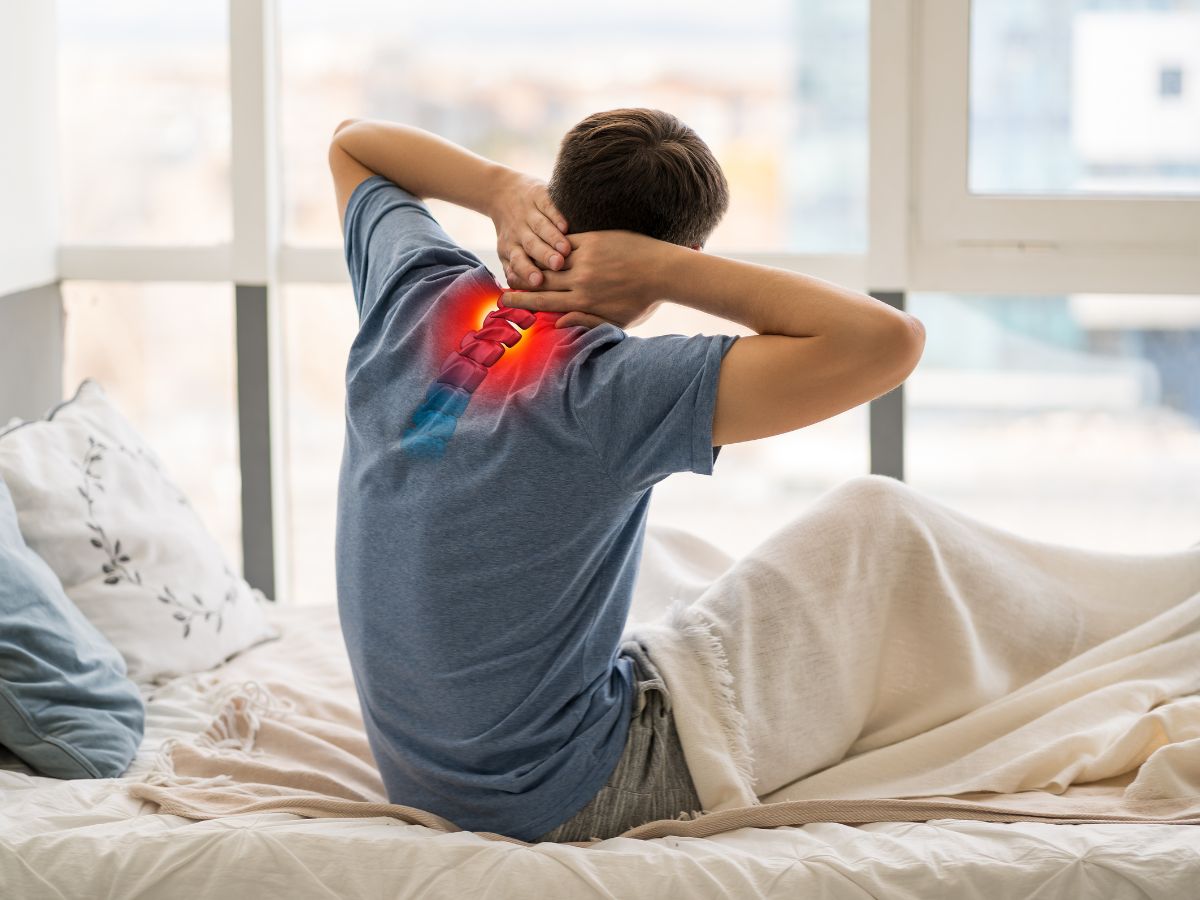
When you’re dealing with neck pain, it often comes from muscle strain or poor posture. In contrast, disc issues usually involve nerve compression, causing pain that may radiate down into your arms. You might feel stiffness and discomfort with neck pain, while disc problems can bring numbness or sharp sensations. Understanding these differences is key to effective treatment. If you stick around, you’ll discover more about managing both types of neck pain effectively.
Key Takeaways
- Muscle strain typically results in localized neck pain, while disc issues may cause radiating pain into the arms and numbness.
- Poor posture and overexertion often lead to muscle strain, whereas herniated discs are linked to nerve compression and age-related changes.
- Treatment for muscle strain focuses on rest and posture correction, while disc issues may require physical therapy or medication for nerve relief.
- Symptoms of muscle strain include stiffness and discomfort, while disc issues often present with persistent pain and potential neurological symptoms.
- Seeking medical attention is crucial for disc issues if pain radiates or if numbness occurs, indicating possible nerve involvement.
Understanding Neck Pain: Common Causes and Symptoms

Neck pain can feel like a heavy weight dragging you down, and understanding its common causes and symptoms is crucial for relief.
One major culprit is muscle strain, often caused by poor posture or ergonomic setups at work. If you spend hours hunched over a computer, your neck pays the price.
Stress factors and lifestyle habits, like inactivity or poor sleep positions, can also contribute to discomfort.
As you age, the effects on your neck can become more pronounced, making it essential to recognize your injury history. A past neck injury can lead to chronic pain, and being aware of these triggers helps you take proactive steps.
Identifying Intervertebral Disc Problems: Symptoms to Recognize

When you’re dealing with neck pain, it’s essential to recognize the signs of intervertebral disc problems.
You might notice specific pain patterns or other symptoms that can help pinpoint the issue.
Understanding these indicators can lead you to the right treatment and relief.
Common Symptoms Overview
Understanding the common symptoms associated with intervertebral disc problems can help you identify potential issues early on. You might notice muscle tension or stiffness in your neck, which can be exacerbated by poor posture or stress factors.
Nerve irritation often leads to tingling or numbness in your arms or hands. Reflect on your injury history and lifestyle habits; these can greatly influence your symptoms.
If you’re experiencing discomfort after specific sleep positions, it’s worth considering ergonomic adjustments to your workspace. Recognizing these signs early can lead to better management and treatment options, helping you maintain a healthier neck and overall well-being.
Keep an eye on how these factors interplay in your daily life.
Pain Patterns Analysis
Recognizing pain patterns is key to identifying intervertebral disc problems. You might experience muscle tension or nerve compression, often linked to poor posture impact.
If you notice pain radiating down your arms or legs, it could signal a disc issue. Stress factors, like work-related strain or injury types from accidents, play a significant role in your discomfort.
Age effects can also contribute; as you get older, your discs may wear down, leading to heightened sensitivity. Your activity levels matter, too—sedentary lifestyles can exacerbate issues.
Consider making ergonomic adjustments to your workspace to alleviate tension. By paying attention to these patterns, you’ll be better equipped to recognize and address potential disc problems effectively.
How to Differentiate Between Neck Pain and Disc Issues
How can you tell if your neck pain stems from a simple strain or a more serious disc issue? Recognizing the signs can help you seek appropriate treatment options. Here’s a quick comparison:
| Symptoms | Muscle Strain | Disc Issues |
| Pain Location | Localized, often in the back of the neck | Radiates into arms, possibly numbness |
| Cause | Overexertion, poor posture | Nerve compression, herniated disc |
| Treatment Focus | Rest, posture correction, stress management | Diagnostic imaging, ergonomic adjustments |
If you experience persistent pain or symptoms like numbness, it may indicate nerve compression due to a disc issue. For effective injury recovery, consider consulting a healthcare professional who can recommend the right diagnostic imaging and treatment options tailored to your needs.
Treating Neck Pain: Effective Approaches
When it comes to treating neck pain, you’ve got several effective approaches at your disposal.
Physical therapy techniques can help strengthen your neck, while medication can provide immediate relief.
Don’t forget to take into account lifestyle modifications to support your recovery long-term.
Physical Therapy Techniques
You can start with manual therapy, where a therapist uses hands-on techniques to relieve tension and improve mobility. Incorporating therapeutic exercises and stretching routines helps strengthen neck muscles and enhance flexibility.
Posture correction is essential; small ergonomic adjustments in your workspace can greatly reduce strain. Additionally, using heat therapy can soothe tight muscles, while ice application may reduce inflammation.
Strengthening techniques further support your neck, preventing future pain. By combining these approaches, you’ll develop a tailored plan that not only eases your discomfort but also promotes long-term relief and health.
Medication and Pain Relief
Many people find relief from neck pain through various medications and pain relief strategies. You might consider over-the-counter options like ibuprofen or acetaminophen as a first step. If your pain persists, prescription medications may be necessary. Topical treatments, such as creams or patches, can also provide localized relief. Additionally, alternative remedies like acupuncture or herbal supplements can be effective for some individuals. Here’s a quick overview:
| Type | Examples |
| Over the Counter Options | Ibuprofen, Acetaminophen |
| Prescription Medications | Muscle relaxants, Narcotics |
| Topical Treatments | Creams, Patches |
| Alternative Remedies | Acupuncture, Herbal supplements |
Incorporating these options into your pain management plan can help alleviate discomfort and improve your quality of life.
Lifestyle Modifications Strategies
To effectively manage neck pain, adopting lifestyle modifications can make a significant difference.
Start with ergonomic adjustments in your workspace; verify your chair and computer screen promote good posture.
Practice mindful movements during daily activities to reduce strain. Effective stress management techniques, like deep breathing or yoga, can also help alleviate tension in your neck.
Focus on improving your sleep quality by using supportive pillows and maintaining a consistent sleep schedule.
Stay hydrated to support overall health, and be conscious of your digital device usage—take regular breaks to avoid prolonged neck strain.
Finally, engage in regular physical activity to strengthen your neck and back muscles while enhancing posture awareness.
Making these changes can lead to lasting relief from neck pain.
Managing Disc-Related Neck Pain: Effective Strategies
While dealing with disc-related neck pain can be challenging, effective management strategies can greatly improve your quality of life. Here are four key approaches you can adopt:
- Posture Correction: Maintain a neutral spine by aligning your head over your shoulders. This reduces strain on your neck.
- Ergonomic Adjustments: Set up your workspace to support your neck’s natural curve. Use supportive chairs and screens at eye level.
- Heat and Cold Therapy: Alternate between heat therapy, which relaxes muscles, and cold therapy, which reduces inflammation, to manage pain effectively.
- Muscle Strengthening and Relaxation Techniques: Incorporate exercises that strengthen your neck and shoulders while practicing relaxation techniques to alleviate stress.
When Should You See a Doctor About Neck Pain?
Knowing when to seek medical attention for neck pain is important, especially after trying various management strategies. If you’ve been dealing with chronic symptoms that don’t improve or worsen over time, it’s time for a professional evaluation.
Acute injuries, like those from a fall or accident, also warrant immediate medical attention.
Don’t hesitate to consult a doctor if you experience numbness, weakness, or radiating pain into your arms. These symptoms may indicate a more serious underlying issue.
Consult a doctor immediately if you experience numbness, weakness, or radiating pain in your arms, as these may signal a serious condition.
Your doctor may recommend diagnostic imaging, such as an MRI or CT scan, to determine the cause of your pain.
Based on the findings, they can discuss appropriate treatment options, which may include physical therapy or medication.
If necessary, your doctor might provide referrals to specialists, ensuring you get the thorough care you need for a proper recovery.
Preventing Neck Pain: Tips and Exercises for a Healthy Neck
Preventing neck pain involves a proactive approach that combines good posture, regular exercise, and mindful habits. By taking simple steps, you can keep your neck healthy and pain-free.
- Posture Correction: Keep your head aligned with your spine, especially when sitting or using devices.
- Ergonomic Adjustments: Arrange your workspace to minimize strain; use a chair that supports your neck.
- Neck Stretches: Incorporate gentle neck stretches and warm-up exercises to release tension throughout the day.
- Sleep Position: Choose a supportive pillow and avoid sleeping on your stomach to maintain proper alignment.
Additionally, focus on stress management and muscle strengthening through regular exercise.
Don’t forget to stay hydrated, as proper hydration supports muscle function.
Frequently Asked Questions
Can Stress Contribute to Neck Pain Symptoms?
Yes, stress can definitely contribute to neck pain symptoms. It often leads to muscle tension, which tightens your neck. Finding effective stress relief techniques can help ease this tension and reduce your discomfort considerably.
How Does Poor Posture Affect Neck Health?
Poor posture strains your neck muscles, leading to discomfort and pain. You can improve your neck health through posture correction and ergonomic adjustments, helping maintain alignment and reducing stress on your neck.
Are Certain Sleep Positions Better for Neck Pain?
Yes, certain sleep positions can help with neck pain. Choose a supportive pillow and guarantee your mattress firmness suits your preference. Proper alignment reduces strain, promoting better neck health while you sleep.
Can Neck Pain Cause Headaches?
Yes, neck pain can cause tension headaches. When your cervical spine is strained, it can lead to muscle tension and discomfort, triggering headaches. Addressing neck issues can greatly reduce the frequency and intensity of these headaches.
What Lifestyle Changes Can Improve Neck Health?
To improve neck health, incorporate regular exercise routines and make ergonomic adjustments in your workspace. Stretch often, maintain good posture, and stay hydrated. These changes can greatly enhance your neck’s strength and flexibility.
Final Thoughts
At Delta Chiropractic Rochester Hills, we know that understanding whether your discomfort is coming from general neck pain or a disc-related issue is an important step toward getting the right care. While these conditions can share similar symptoms, identifying the true source of the problem can make a major difference in finding lasting relief, improving function, and helping you get back to living more comfortably.
If you are dealing with neck pain, headaches, migraines, or posture concerns, our team is here to help with focused chiropractic care tailored to your needs. Contact Delta Chiropractic Rochester Hills today or schedule your appointment to take the next step toward better alignment, lasting relief, and improved quality of life.