

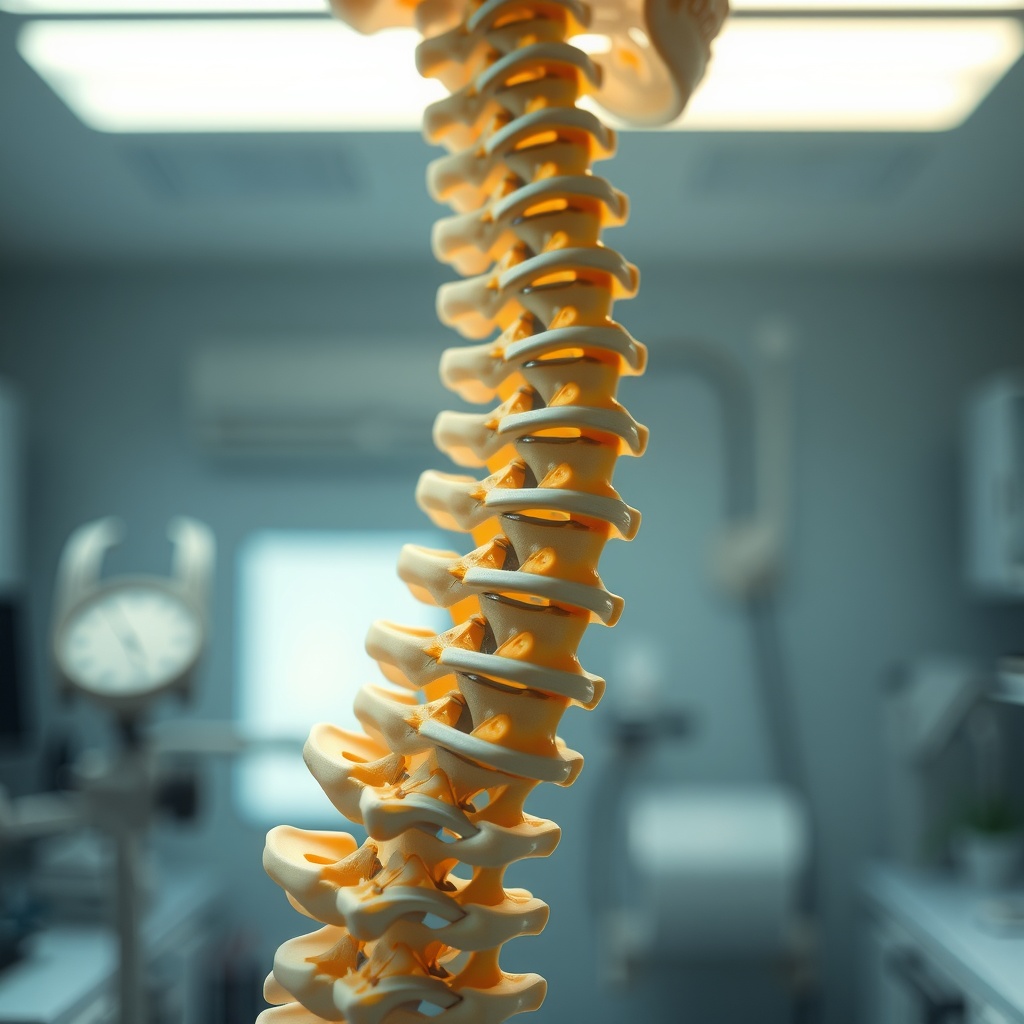
Your spine plays a crucial role in your overall health. It supports your body structure, protects your nervous system, and affects your mobility and mental well-being. Proper spinal alignment not only reduces strain and pain but also enhances organ function and energy levels. Good posture can boost your confidence and reduce anxiety. By maintaining your spine, you can improve flexibility and strength. Discover more about how to support your spine and enhance your health.
Key Takeaways
- The spine’s alignment supports overall body function, reducing muscle strain and enhancing mobility.
- Proper spinal health improves organ function, facilitating better communication between nerves and internal systems.
- Good posture contributes to mental well-being, reducing anxiety and depression linked to misalignment.
- Regular exercise and lifestyle choices strengthen the spine, enhancing flexibility and reducing pain.
- Nutritional support and hydration maintain spinal disc health, preventing injury and promoting recovery.
The Structure and Function of the Spine
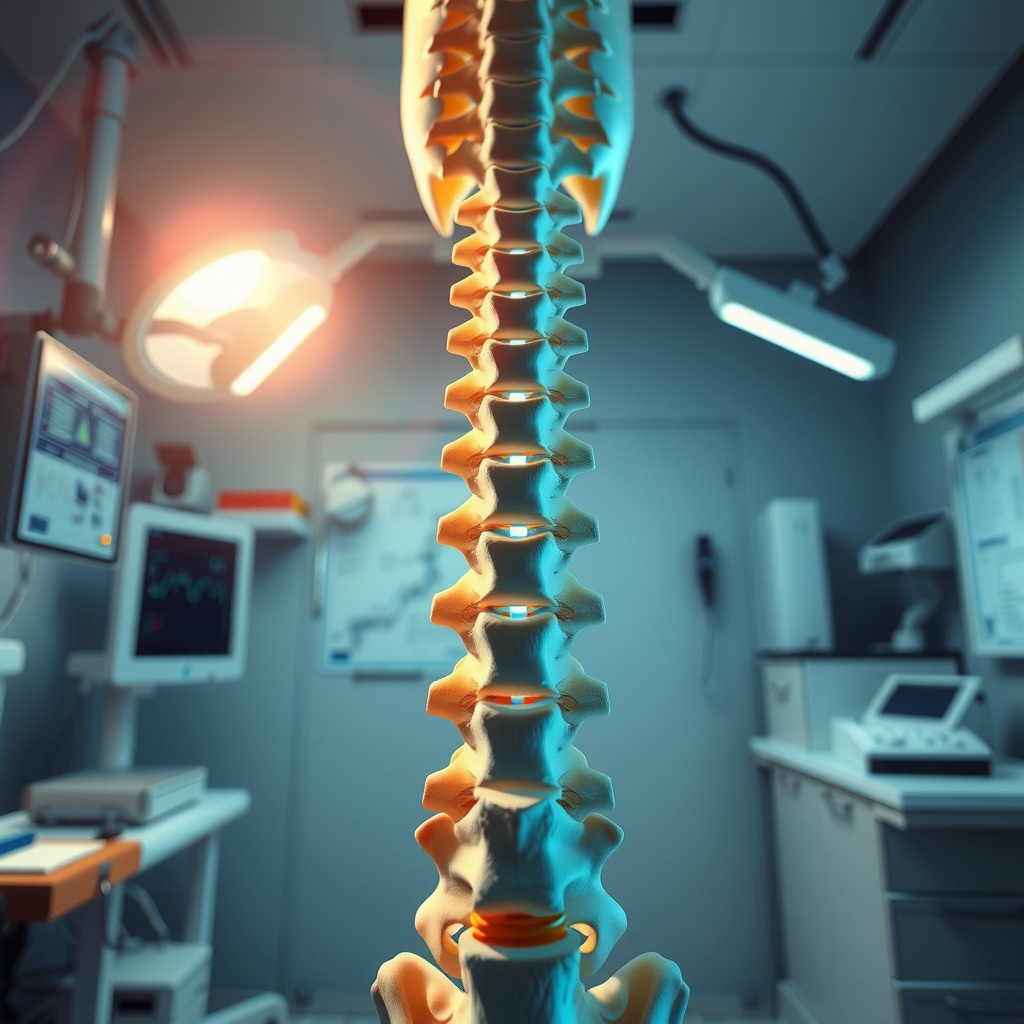 The spine, often referred to as the backbone, plays a crucial role in your body’s overall structure and function. It’s made up of 33 vertebrae that stack together, forming a flexible column. This structure not only supports your head and torso but also protects your spinal cord, which transmits signals between your brain and the rest of your body.
The spine has natural curves that enhance its strength and flexibility, allowing you to maintain balance and posture. Each vertebra is cushioned by discs that absorb shock and enable movement.
Muscles and ligaments connect to the spine, providing stability and facilitating motion. When your spine is in proper alignment, it helps you move efficiently and reduces stress on your body.
Understanding this structure is essential for appreciating how it impacts your overall health, as any misalignment can lead to discomfort and limit your mobility.
How to Manage Pain for Better Mobility
While pain can be a barrier to mobility, effective management strategies can help you regain your freedom of movement. Start by identifying the type and source of your pain; understanding this is essential for effective management.
Regular physical activity, like gentle stretching or low-impact exercises, can strengthen your muscles and improve flexibility, reducing discomfort.
Incorporating heat or cold therapy can also provide immediate relief—heat soothes tight muscles, while cold reduces inflammation.
Don’t underestimate the power of mindfulness practices, such as meditation or deep breathing; they can help you cope with pain more effectively.
Consider consulting a healthcare professional for personalized advice or treatments, like physical therapy or medication.
Finally, staying hydrated and maintaining a balanced diet supports overall health, making it easier to manage pain.
How to Achieve Proper Spinal Alignment for Better Posture
 Achieving proper spinal alignment is essential for maintaining good posture and overall health.
You can enhance your alignment through specific exercises and by setting up an ergonomic workspace.
Let’s explore how these factors can make a significant difference in your daily life.
Importance Of Spinal Alignment
Proper spinal alignment is vital for maintaining overall health and well-being, as it directly influences your posture and can prevent discomfort. When your spine is aligned, it allows your body to function efficiently, reducing strain on muscles and ligaments.
This alignment helps distribute weight evenly, preventing undue pressure on specific areas, which can lead to pain.
Additionally, good spinal alignment supports your nervous system, allowing signals to flow freely between your brain and body. When you prioritize alignment, you’re not just improving your posture; you’re also enhancing your energy levels and mood.
Simple adjustments in your daily habits can lead to significant improvements, making it important to pay attention to how you sit, stand, and move throughout your day.
Exercises For Better Posture
To improve your posture and achieve better spinal alignment, incorporating specific exercises into your routine can make a significant difference.
Start with planks to strengthen your core, which supports your spine. Shoulder blade squeezes help open up your chest and counteract slouching. Wall angels are excellent for improving shoulder mobility and alignment.
Don’t forget about stretching; try chest stretches to relieve tightness and enhance flexibility. Incorporate pelvic tilts to strengthen your lower back and promote proper alignment.
Aim for consistency—perform these exercises regularly to see lasting results. By focusing on these targeted movements, you’ll not only improve your posture but also enhance overall spinal health, leading to greater comfort and well-being in daily activities.
Ergonomic Workspace Setup
While setting up your workspace, it’s crucial to prioritize ergonomics to support spinal alignment and enhance your posture.
Start by adjusting your chair to make sure your feet rest flat on the floor and your knees are at hip level. Your back should be fully supported, with a slight curve at the lower back.
Position your computer screen at eye level, about an arm’s length away, to prevent straining your neck. Use a keyboard and mouse that allow your wrists to remain straight and relaxed.
Keep frequently used items within easy reach to minimize twisting or leaning.
Finally, take regular breaks to stand, stretch, and reset your posture. This approach not only boosts comfort but also promotes overall spinal health.
The Impact of Spinal Health on Mobility and Flexibility
Your spinal alignment plays an essential role in how well you move and stay flexible.
When your spine is properly aligned, you’ll notice improved range of motion and less stiffness.
This connection between spinal health and mobility can greatly enhance your overall quality of life.
Spinal Alignment Importance
When spinal alignment is off, it can greatly affect your mobility and flexibility. Misalignment can lead to restricted movement, making everyday activities like bending, twisting, or even walking feel challenging.
You might notice stiffness or discomfort, which can discourage you from being active. Proper alignment guarantees that your muscles and joints work together efficiently, allowing for smoother, more fluid movements.
It also helps maintain balanced posture, reducing strain on your body. By prioritizing spinal health, you can enhance your overall movement capabilities, making it easier to engage in physical activities you enjoy.
Regular check-ups and exercises focused on alignment can make a significant difference in how you feel and move each day.
Flexibility and Range of Motion
How does spinal health influence your flexibility and range of motion? Your spine plays an essential role in how well you move.
When your spine is aligned and healthy, it supports proper posture, allowing your muscles and joints to function effectively. Poor spinal health can lead to stiffness, limiting your ability to bend, twist, or reach. It may also cause discomfort that discourages movement altogether.
Maintaining flexibility in your spine enhances your overall mobility, making daily activities easier and reducing the risk of injury. Regular exercise, stretching, and good posture can improve your spinal health, ultimately boosting your flexibility and range of motion.
Prioritizing your spine means prioritizing your ability to move freely and live actively.
How Your Spine Protects Your Nervous System
Although the spine is often overlooked, it plays an essential role in safeguarding your nervous system. Your spine encases the spinal cord, a vital part of your nervous system that transmits signals between your brain and body. When your spine is healthy, it guarantees proper alignment, which allows for peak nerve function. Misalignments can lead to nerve compression, resulting in pain and dysfunction.
| Function | Importance |
| Protection | Shields the spinal cord |
| Communication | Transmits signals |
| Support | Maintains body structure |
Maintaining spinal health through good posture, regular exercise, and stretching can help you avoid potential issues. By prioritizing your spine, you’re also prioritizing your nervous system, enhancing your overall well-being. Remember, a healthy spine supports a healthy life!
How Spinal Health Affects Your Organs
Your spinal health plays an essential role in how your organs function.
When your spine is misaligned, it can disrupt nerve signals, affecting everything from digestion to heart health.
Maintaining good posture not only supports your spine but also helps your organs operate more efficiently.
Nervous System Connection
The connection between spinal health and the nervous system is crucial, as a well-aligned spine supports optimal organ function.
When your spine is in alignment, it can positively influence your nervous system, allowing for better communication between your brain and organs.
Here are four ways this connection matters:
- Improved Nerve Function: A healthy spine reduces nerve interference, enhancing signals sent to and from organs.
- Enhanced Blood Flow: Proper alignment promotes better circulation, delivering nutrients and oxygen effectively.
- Reduced Stress: A well-aligned spine can lower stress levels, positively impacting organ health.
- Boosted Immunity: Ideal spinal health supports your immune system, helping your body fight off illness.
Taking care of your spine isn’t just about posture; it’s essential for your overall health.
Organ Function Influence
A healthy spine doesn’t just support your nervous system; it directly impacts how your organs function. When your spine is aligned, it allows for ideal nerve flow, which is essential for the communication between your brain and organs.
Misalignments can lead to nerve interference, potentially disrupting functions like digestion, respiration, and circulation. For instance, if your thoracic spine is out of alignment, it can affect your heart and lungs, leading to issues like shortness of breath or irregular heartbeats.
Additionally, a compromised spine can hinder blood flow, depriving organs of necessary nutrients and oxygen. By maintaining spinal health, you support not only your nervous system but also the overall function and health of your organs.
Posture and Health
How can poor posture impact your overall health? When you slouch or hunch, you’re not just affecting your spine; you’re also compromising your organ function. Your internal systems rely on proper alignment to operate efficiently.
Here are four ways poor posture can hurt your health:
- Reduced Lung Capacity: Slouching compresses your lungs, making it harder to breathe deeply.
- Digestive Issues: A bent spine can squeeze your digestive organs, leading to discomfort and slowed digestion.
- Circulation Problems: Poor posture can restrict blood flow, causing fatigue and numbness.
- Increased Pain: Misalignment can lead to muscle tension and chronic pain in your back and neck.
Improving your posture can enhance your overall well-being and support your body’s functions.
How Spinal Health Influences Mental Well-Being
While many don’t realize it, spinal health plays an essential role in mental well-being. Your spine houses the central nervous system, which communicates with your brain. If your spine is misaligned or tense, it can lead to nerve interference, affecting your mood and mental clarity.
When you’re in pain or discomfort, it’s hard to focus or feel positive. Additionally, poor spinal health can disrupt sleep patterns, leaving you fatigued and more susceptible to stress. This cycle can contribute to anxiety and depression, making it important to prioritize spinal care.
Regular check-ups and good posture not only keep your spine aligned but also support your mental state. By taking steps to improve your spinal health, you’re investing in a clearer mind and a more balanced emotional life.
Lifestyle Choices That Support Spinal Health
Making mindful lifestyle choices can greatly enhance your spinal health. By prioritizing specific habits, you can support your spine and overall well-being. Here are four key choices to contemplate:
- Stay Active: Regular exercise strengthens your back muscles and improves flexibility. Aim for a mix of cardio, strength training, and stretching.
- Maintain Good Posture: Whether sitting or standing, keeping your spine aligned reduces strain. Use ergonomic furniture to help support your posture.
- Eat a Balanced Diet: Nutrient-rich foods, especially those high in calcium and vitamin D, strengthen bones and support spinal health.
- Stay Hydrated: Drinking enough water keeps your spinal discs hydrated and helps maintain overall health.
Techniques for Maintaining a Healthy Spine
To maintain a healthy spine, you can incorporate several effective techniques into your daily routine. First, focus on your posture. Whether you’re sitting, standing, or walking, keeping your back straight and shoulders relaxed can make a big difference.
Regular exercise is essential, too; activities like swimming, yoga, and strength training strengthen your core and support spinal alignment.
Regular exercise, including swimming, yoga, and strength training, is vital for strengthening your core and maintaining proper spinal alignment.
Don’t forget to take breaks if you sit for long periods. Stand up, stretch, and move around every hour to relieve tension. Additionally, investing in a supportive chair and mattress can greatly enhance your comfort and spinal health.
Lastly, be mindful of your lifting technique. Always bend at the knees, not the waist, to avoid strain.
Signs You Need Professional Help for Spinal Problems?
How can you tell when it’s time to seek professional help for spinal issues? Recognizing the signs early can prevent further complications. If you’re experiencing any of the following symptoms, it’s essential to consult a healthcare professional:
- Persistent Pain: If you’ve had back or neck pain lasting more than a few weeks, it’s time to get checked out.
- Numbness or Tingling: Feeling numbness or tingling in your arms or legs could indicate nerve involvement.
- Weakness: If you notice sudden weakness in your limbs, this could signal a serious issue requiring immediate attention.
- Loss of Mobility: Difficulty in bending or straightening your back can be a sign of underlying problems.
Don’t ignore these symptoms. Seeking help can lead to effective treatment and a healthier spine, ultimately improving your overall well-being.
Taking action sooner rather than later is always best.
Frequently Asked Questions
Can Spinal Health Affect Sleep Quality and Duration?
Yes, spinal health can greatly affect your sleep quality and duration. If your spine’s alignment or tension disrupts comfort, it can lead to restless nights, making it harder for you to achieve restorative sleep.
How Does Aging Impact Spinal Health?
As you age, your spine naturally degenerates. Discs lose hydration, joints may stiffen, and bone density decreases. These changes can lead to discomfort, reduced mobility, and an increased risk of injury if not managed properly.
Are There Specific Exercises for Spinal Strengthening?
Yes, you can strengthen your spine with exercises like planks, bridges, and back extensions. These movements improve core stability and posture, helping you maintain a healthy spine and reducing the risk of injuries.
What Role Does Nutrition Play in Spinal Health?
Nutrition’s essential for spinal health; it fuels your body with the vitamins and minerals needed for strong bones and tissues. Calcium, vitamin D, and magnesium support your spine, helping you maintain mobility and reduce pain.
How Can Stress Affect Spinal Health?
Stress can tighten your muscles, leading to tension and pain in your spine. When you’re stressed, you might also adopt poor posture, which further strains your spine and exacerbates discomfort. Managing stress is essential for spinal health.
Final Thoughts
Your spine is more than structural support—it plays a central role in how your nervous system communicates, how well your body moves, and how you feel day to day. When spinal alignment and motion are compromised, it can contribute to pain, limited mobility, tension, and reduced overall function. Supporting spinal health through better posture, regular movement, and targeted care can help your body perform more efficiently and keep you feeling stronger, more flexible, and more resilient over time.
At Delta Chiropractic Rochester Hills, we focus on improving how your body functions—not just chasing symptoms. Whether you’re working through neck pain, low back pain, or posture-related strain and fatigue, our evidence-informed chiropractic care is designed to restore healthier movement patterns and support long-term results, including care that targets posture and tension-related headaches and migraines.
If you’re ready to take better care of your spine and see what’s holding your health back, schedule your visit here: Schedule Appointment or reach out through our Contact Us page to get started.