


Neck pain can trigger head pain through muscle tension, misalignment, and stress. When your neck muscles are strained or your cervical spine is misaligned, it often leads to tension headaches or migraines. Poor posture and stress only add to the discomfort, creating a vicious cycle. Regular stretching, ergonomic adjustments, and mindful techniques can help. By taking proactive steps, you can alleviate some of that throbbing pain and keep your neck healthy. Discover more strategies to find relief.
Key Takeaways
- Neck pain can trigger headaches through muscle trigger points, often exacerbated by poor posture and misalignment.
- Misaligned cervical vertebrae compress muscles and ligaments, leading to tension headaches and migraines.
- Muscle tension in the neck is a significant migraine trigger, creating a cycle of discomfort.
- Stress-induced muscle tightening increases the likelihood of neck pain and subsequent headaches.
- Regular stretching, ergonomic adjustments, and stress management techniques can alleviate neck-related head pain.
How Neck Pain Leads to Headaches
 Neck pain often creeps up on you, setting off a chain reaction that can lead to debilitating headaches. When you experience tightness in your neck, it often creates trigger points—those painful knots in your muscles that can refer pain to your head.
If you’re slouching or have poor posture, you’re more likely to develop these trigger points, which can intensify your discomfort.
Posture correction is essential for breaking this cycle. By being mindful of how you hold your head and neck, you can alleviate strain and reduce the risk of headaches.
Simple adjustments, like keeping your computer screen at eye level or using ergonomic chairs, make a significant difference.
Pay attention to your neck’s signals; addressing pain early can keep those headaches at bay.
When you prioritize posture and muscle care, you create a pathway to relief and improved overall well-being.
How Neck Anatomy Affects Head Pain
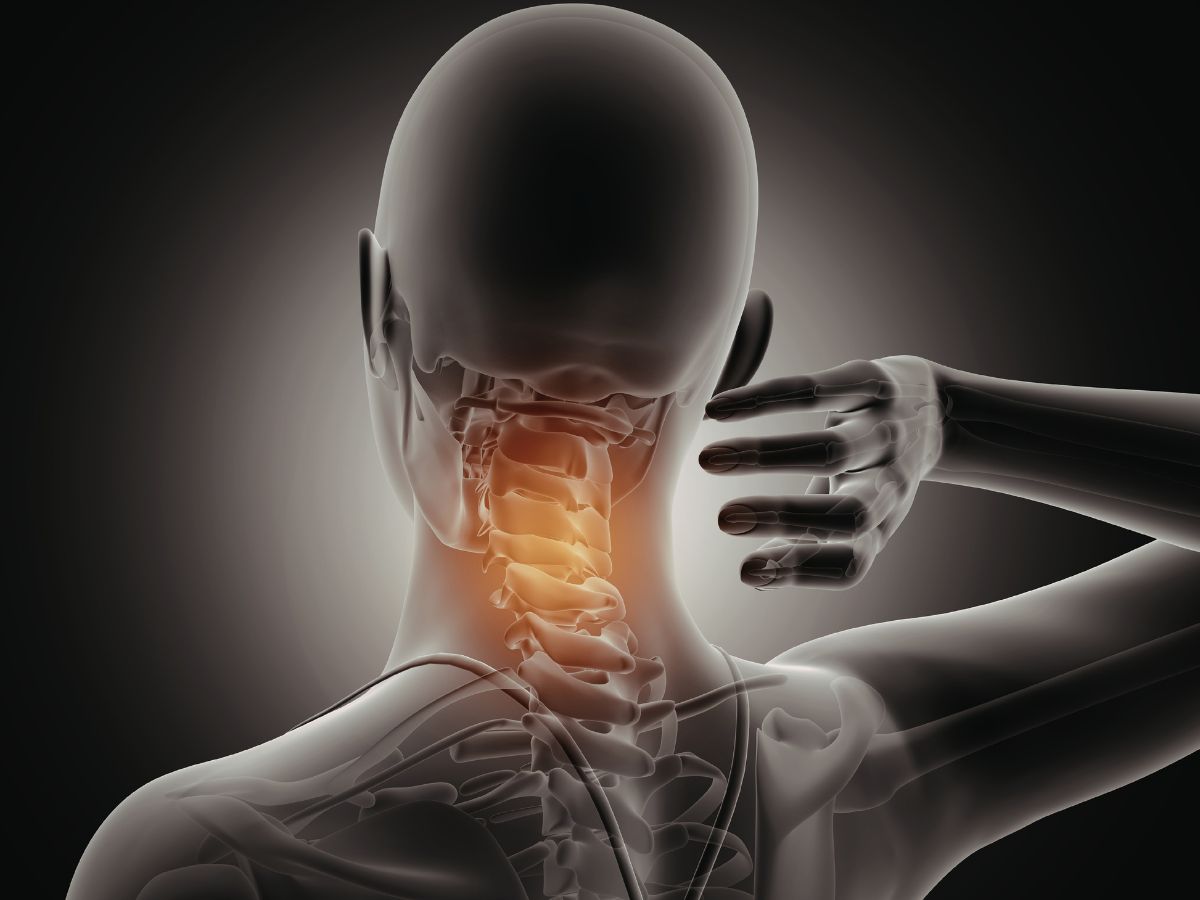 Understanding your neck’s anatomy is essential in figuring out why you’re experiencing head pain.
The structure of your cervical spine and its nerve pathways can greatly impact how pain radiates to your head.
Cervical Spine Structure Impact
When the cervical spine is misaligned or strained, it can lead to significant head pain, often manifesting as tension headaches or migraines.
Your cervical alignment plays a vital role in overall spinal mobility, affecting how well your neck can move and function. If the cervical vertebrae are out of place, they can put pressure on nearby muscles and ligaments, causing discomfort and pain that radiates to your head.
Maintaining proper alignment not only helps reduce strain but also promotes better blood flow and nerve function.
Simple adjustments, stretching, and strengthening exercises can improve your cervical structure, enhancing spinal mobility and ultimately decreasing the likelihood of head pain.
Prioritizing neck health is essential for overall well-being.
Nerve Pathways and Pain
While the cervical spine supports your head and facilitates movement, it also houses complex nerve pathways that can greatly influence head pain. Nerve entrapment in this region can disrupt sensory pathways, altering pain perception. Neural connections between the cervical spine and craniofacial nerves mean that issues in your neck can lead to referred pain, often felt as headaches. These neurological responses can trigger further pain modulation, exacerbating discomfort. Understanding these connections helps you grasp why neck problems often manifest as head pain.
| Aspect | Description |
| Nerve Entrapment | Compression of nerve pathways |
| Sensory Pathways | Routes transmitting pain signals |
| Pain Perception | How you interpret pain |
| Neural Connections | Links between spine and head nerves |
| Referred Pain | Pain felt in areas distant from origin |
Common Neck Conditions That Trigger Migraines
Your neck plays an essential role in migraine triggers, with cervical spine disorders and muscle tension being major culprits.
These conditions can lead to referred pain, making your headaches even more intense. Understanding how they connect can help you find effective relief strategies.
Cervical Spine Disorders
Cervical spine disorders can greatly contribute to the onset of migraines, as issues in the neck often lead to tension and inflammation that radiate pain to the head. Common conditions include cervical spondylosis and herniated discs, which can disrupt spinal alignment and cause nerve compression. The facet joints may become inflamed, resulting in muscle stiffness and discomfort. Injuries like whiplash can exacerbate these issues, leading to degenerative changes over time. Posture correction is essential in managing these conditions, helping to alleviate pain and prevent migraines.
| Condition | Symptoms | Treatment Options |
| Cervical Spondylosis | Neck pain, stiffness | Physical therapy, meds |
| Herniated Discs | Nerve pain, weakness | Surgery, chiropractic care |
| Joint Inflammation | Swelling, tenderness | Ice, anti-inflammatories |
| Muscle Stiffness | Limited movement, pain | Stretching, massage |
| Whiplash Injury | Headaches, dizziness | Rest, pain relievers |
Muscle Tension Issues
Neck disorders often lead to muscle tension, which can be a significant trigger for migraines. When you experience muscle strain in your neck, it can tighten the surrounding muscles, creating a cycle of discomfort.
This tension can radiate to your head, leading to debilitating pain. To combat this, seeking tension relief is essential. Regular stretching, ergonomic adjustments, and targeted exercises can help alleviate muscle strain and reduce tension.
Additionally, consider incorporating relaxation techniques like deep breathing or meditation to ease stress. By addressing muscle tension in your neck, you can take proactive steps to lessen the frequency and intensity of your migraines, improving your overall quality of life.
How Stress Affects Neck Pain and Headaches
When you experience stress, it can lead to tension in your neck, amplifying the likelihood of headaches. This tension often results from the way stress affects your muscles, causing them to tighten and become sore.
You might find yourself unconsciously holding your shoulders high or clenching your jaw, which can worsen discomfort.
To combat this, effective stress management techniques are essential. Incorporating relaxation techniques, like deep breathing or gentle stretching, can help ease muscle tightness and promote overall relaxation.
Consider setting aside time daily to practice mindfulness or yoga, which can greatly reduce stress levels and relieve neck tension.
Top Treatments for Neck-Related Head Pain
Many effective treatments can help alleviate head pain linked to neck issues. Here’s a quick overview of some options you might consider:
| Treatment | Description |
| Chiropractic Adjustments | Realigns the spine for better function. |
| Physical Therapy | Strengthens neck muscles and improves mobility. |
| Massage Therapy | Relieves tension and promotes relaxation. |
| Acupuncture Techniques | Targets pain points to reduce discomfort. |
| Ergonomic Improvements | Adjusts workspaces to enhance posture. |
You may also benefit from relaxation exercises, heat therapy, or cold therapy to ease pain. Medication options can provide temporary relief, while posture correction is essential for long-term improvement. Each treatment can be tailored to your specific needs, so consult with a healthcare professional to find the best approach for you. Taking these steps can make a significant difference in managing neck-related head pain.
Tips for Maintaining Neck Health to Prevent Headaches
To keep headaches at bay, prioritizing neck health is essential. You can make simple changes in your daily routine to support your neck and prevent discomfort. Here are some effective tips:
Prioritizing neck health is key to preventing headaches; simple daily changes can make a significant difference.
- Posture awareness: Maintain a neutral spine when sitting or standing to reduce strain on your neck.
- Ergonomic adjustments: Set up your workspace with proper chair and screen height for comfort.
- Stretching exercises: Incorporate gentle neck stretches to enhance flexibility and relieve tension.
- Hydration habits: Drink plenty of water throughout the day to keep your muscles hydrated.
Additionally, pay attention to your sleep positions, manage stress through mindful breathing, and engage in regular movement.
Heat therapy can soothe tight muscles, while physical therapy offers personalized strategies.
Lifestyle Changes for Reducing Neck and Head Pain
Incorporating lifestyle changes can considerably reduce both neck and head pain. Start with posture improvement—maintaining an upright position while sitting or standing helps relieve strain.
Make ergonomic adjustments to your workspace; a proper chair and desk height can make a big difference. Don’t forget to hydrate, as good hydration habits are essential for muscle function.
Enhancing sleep quality is vital; aim for a supportive pillow and mattress. Regular physical activity strengthens neck muscles and can alleviate tension.
Incorporate stretching routines into your daily life to keep muscles flexible and reduce stiffness.
Additionally, practice relaxation techniques like deep breathing or yoga to manage stress, which often contributes to pain. Mindfulness practices can help you stay aware of your body’s signals, allowing for timely adjustments.
Frequently Asked Questions
Can Poor Posture Cause Neck Pain and Headaches?
Yes, poor posture can definitely cause neck pain and headaches. By making ergonomic adjustments to your workspace and practicing tension relief techniques, you can improve your posture and reduce discomfort effectively.
How Do Sleeping Positions Affect Neck and Head Pain?
Your sleeping position directly impacts neck and head pain. Choosing the right pillow and ensuring proper mattress support can align your spine, reducing strain and discomfort while you sleep. Comfort matters for a restful night!
Is There a Connection Between Jaw Issues and Neck Pain?
Yes, there’s a connection between jaw issues and neck pain. Poor jaw alignment can create muscle tension, leading to discomfort in your neck. Addressing both areas can help relieve overall pain and improve your well-being.
Can Dehydration Lead to Neck-Related Headaches?
Yes, dehydration can lead to neck-related headaches. You might experience dehydration symptoms like fatigue or dizziness. To stay hydrated, drink plenty of water and consider electrolyte-rich beverages to support your overall health and well-being.
What Role Does Exercise Play in Neck and Head Pain Relief?
Exercise plays an essential role in relieving neck and head pain. By incorporating stretching techniques and muscle strengthening, you enhance flexibility and support, reducing tension and improving overall posture, which can greatly alleviate discomfort.
Final Thoughts
Head pain often starts with the neck. When the muscles, joints, and alignment of the cervical spine are under stress, that tension can travel upward and lead to recurring headaches that affect how you feel and function throughout the day. The key is not just calming the pain temporarily, but finding and correcting the source of the problem.
At Delta Chiropractic Rochester Hills, we help patients understand how neck pain, spinal misalignment, and muscle tension can contribute to recurring headaches and migraines. Through personalized chiropractic care, we focus on helping you get lasting relief and better long-term function. If neck-related head pain is interfering with your daily life, contact us today or schedule an appointment to take the next step toward lasting relief.