

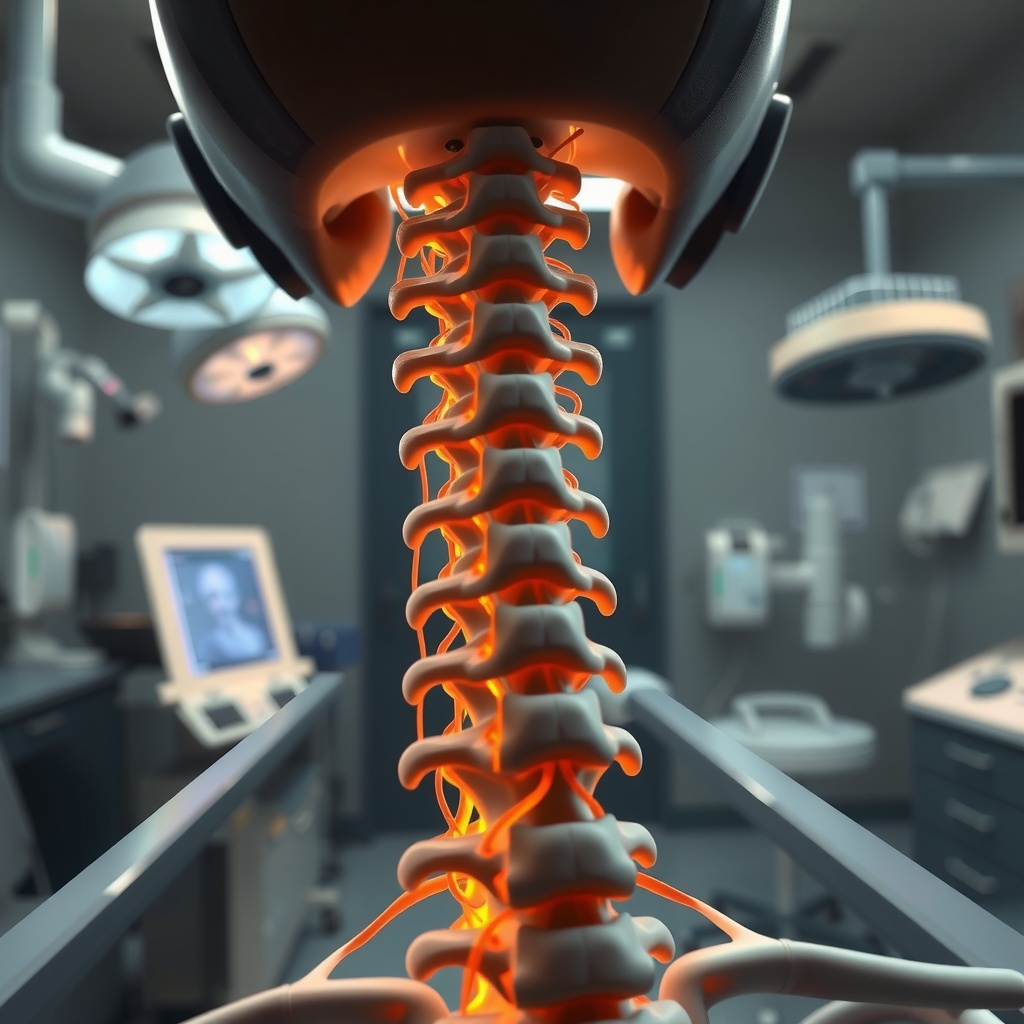
The cervical spine protects your nerves by supporting your head and allowing movement while absorbing shocks. Its seven vertebrae create a flexible structure that shields the spinal cord, essential for transmitting nerve signals between your brain and body. Intervertebral discs act as cushions, preventing damage during activities. Strong neck muscles enhance this protection, maintaining alignment and stability. Want to know how to further safeguard your cervical spine and improve its function? There’s more to discover!
Key Takeaways
- The cervical vertebrae create a protective bony structure that safeguards vital nerves and the spinal cord from injury during movement.
- Their unique shapes provide flexibility and strength, allowing for a range of motion while maintaining nerve protection.
- The intervertebral discs cushion vertebrae, absorbing shock and preventing nerve compression during daily activities.
- Open spaces between cervical vertebrae facilitate the passage of nerves, ensuring effective communication between the brain and body.
- The cervical spine’s natural curvature helps absorb shocks, reducing the risk of nerve damage during impacts or sudden movements.
The Anatomy of the Cervical Spine
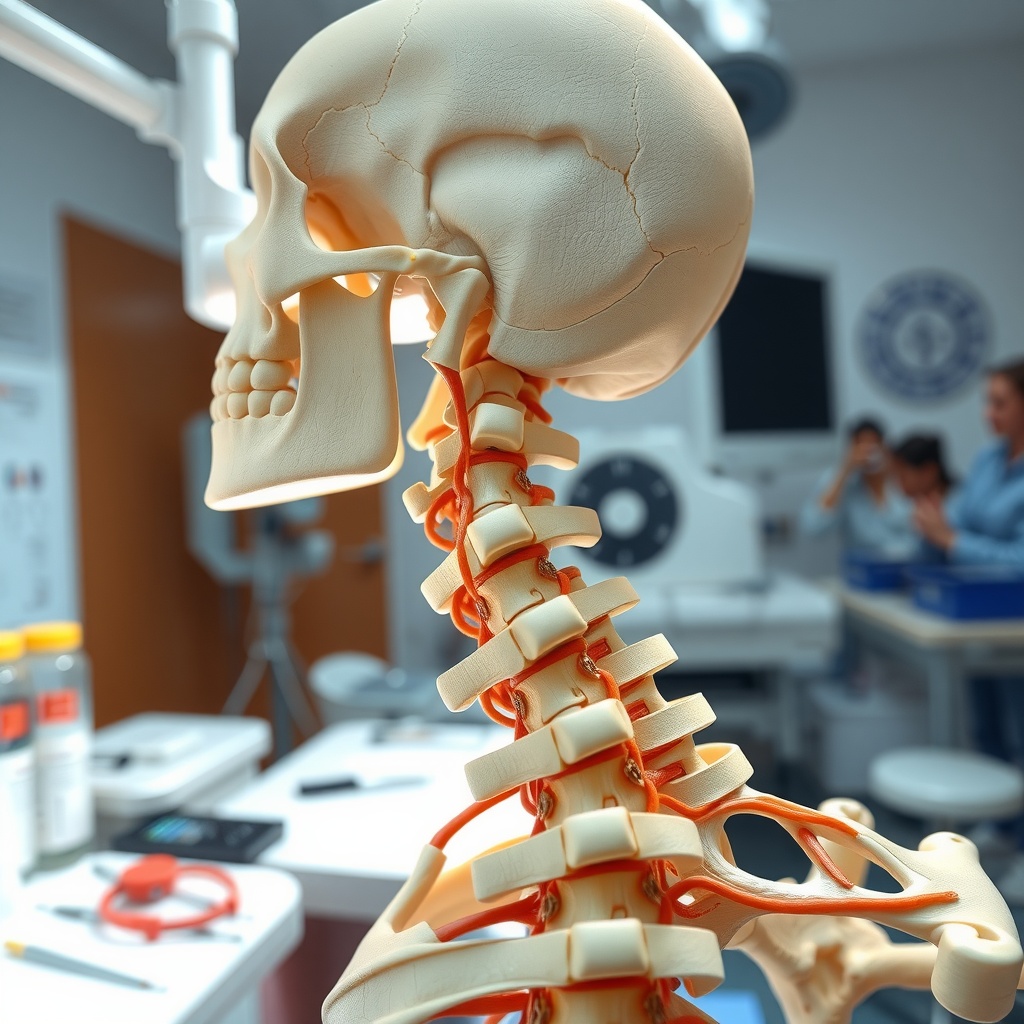 The cervical spine, essential for protecting the spinal cord and supporting your head, consists of seven vertebrae labeled C1 through C7. Each vertebra has a unique shape and function, tailored to allow flexibility and stability.
The cervical spine, with its seven vertebrae, is crucial for head support and spinal cord protection, balancing flexibility and stability.
C1, known as the atlas, supports your skull and enables nodding motions. C2, or the axis, allows for rotation of the head, letting you turn your gaze side to side.
Intervertebral discs sit between the vertebrae, acting as shock absorbers to cushion movements. Ligaments and muscles surround the cervical spine, providing additional support and facilitating movement.
Nerves exit the spinal cord through openings between these vertebrae, branching out to various parts of your body.
Understanding this anatomy helps you appreciate how the cervical spine maintains both mobility and protection. When you know how everything fits together, you can better care for your neck and overall spinal health.
The Role of Cervical Vertebrae in Supporting the Head
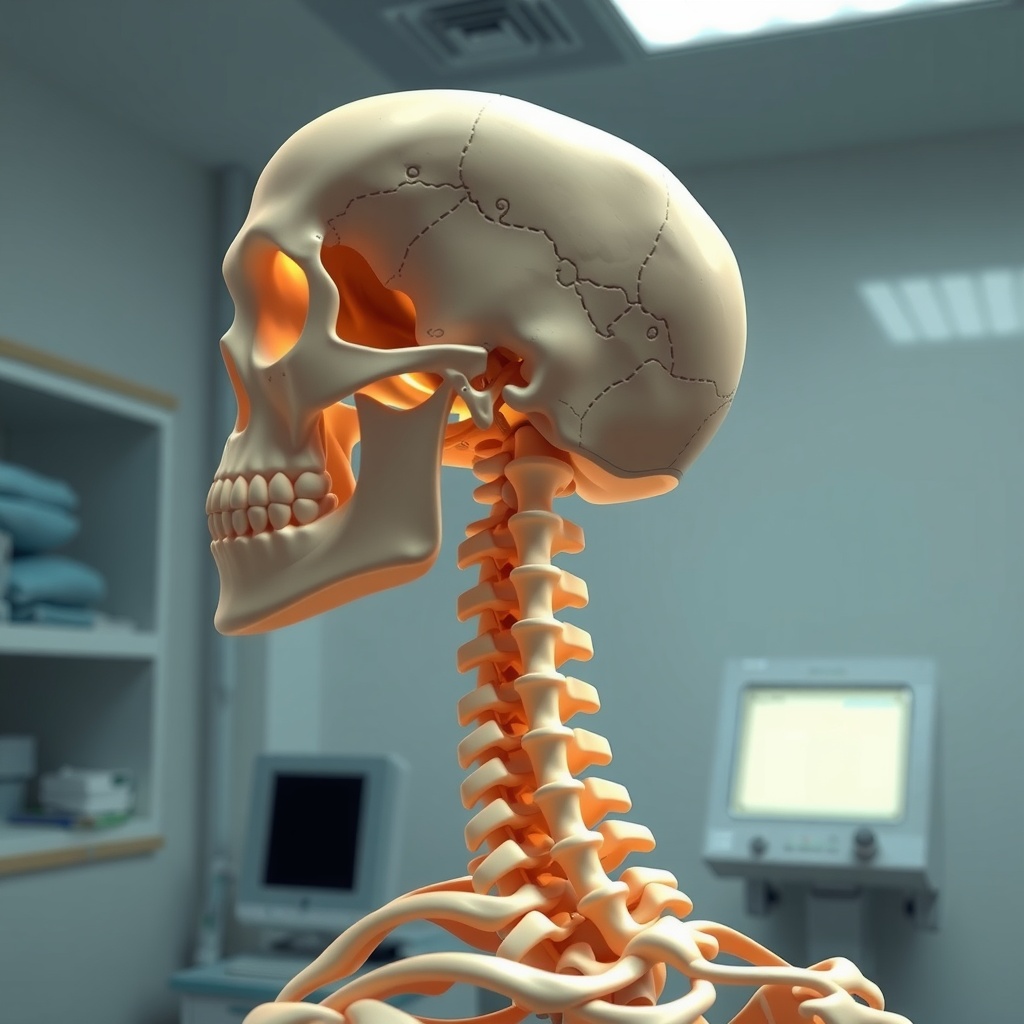 Cervical vertebrae play an important role in supporting your head, allowing for a remarkable range of motion and stability. These seven vertebrae, known as C1 through C7, form the upper part of your spine and create a flexible yet strong structure.
The first vertebra, the atlas, cradles your skull and enables you to nod and tilt your head. The second vertebra, the axis, allows for rotational movements, letting you turn your head side to side.
Together, these vertebrae not only support the weight of your head but also protect crucial nerves that run through the cervical spine. Their unique shape and arrangement provide both strength and flexibility, ensuring you can move freely without compromising safety.
Understanding this support system helps you appreciate how important cervical vertebrae are for daily activities, from simple head turns to more complex movements like sports and exercise.
How Discs Cushion and Protect the Cervical Spine
Cervical discs play an essential role in cushioning your cervical spine.
Their unique structure allows them to absorb shock, protecting the vertebrae and nerves during everyday movements.
Understanding how these discs function helps you appreciate their importance in spinal health.
Structure of Cervical Discs
Discs serve as the essential shock absorbers of your cervical spine, playing an important role in cushioning and protecting the vertebrae. Each disc consists of two main parts: the outer annulus fibrosus and the inner nucleus pulposus. This unique structure allows the discs to withstand pressure and absorb forces.
| Component | Description |
| Annulus Fibrosus | Tough outer layer providing stability |
| Nucleus Pulposus | Gel-like center that absorbs shock |
| Hydration | Discs maintain moisture for flexibility |
Role in Shock Absorption
The structure of cervical discs allows them to play an essential role in shock absorption within your spine. These discs act like cushions, situated between the vertebrae in your neck.
When you move—whether you’re walking, running, or even just turning your head—these discs compress and expand, absorbing the impact from daily activities. This cushioning effect helps protect the vertebrae and surrounding nerves from damage.
If the discs didn’t function properly, you might experience pain or discomfort due to increased pressure on the spinal structures. By efficiently absorbing shocks, cervical discs guarantee that your spine remains flexible and resilient, allowing you to maintain a healthy range of motion while safeguarding your nervous system.
Cervical Spine’s Role in Spinal Cord Protection
While you mightn’t realize it, the cervical spine plays an essential role in protecting the spinal cord from injury. This upper part of your spine consists of seven vertebrae, which form a flexible yet sturdy structure. These vertebrae safeguard the spinal cord, a critical pathway for nerve signals between your brain and body.
In addition to providing support, the cervical spine’s unique curvature helps absorb shocks during movements, reducing the risk of damage to the spinal cord. The space between each vertebra allows for the passage of nerves, guaranteeing they remain unhindered.
Ligaments and muscles surrounding the cervical spine also contribute to its protective function by stabilizing the vertebrae and supporting the head.
What Injuries Can Compromise Cervical Spine Protection?
Injuries like whiplash, fractures, and herniated discs can seriously compromise cervical spine protection, leading to potential damage to the spinal cord.
When you experience whiplash, the rapid movement of your head can strain the muscles and ligaments, affecting stability.
Fractures, whether from falls or accidents, can disrupt the bony structure of the cervical spine, risking misalignment and nerve compression.
Herniated discs occur when the gel-like center of a disc pushes through a crack, pressing on nearby nerves. This can lead to pain, numbness, or weakness in your arms or hands.
Each of these injuries not only impacts your comfort but also jeopardizes the overall integrity of the protective mechanisms of your cervical spine.
Recognizing these injuries early can be essential for preventing further complications and ensuring your spinal health remains intact.
Always consult a healthcare professional if you suspect an injury.
Conditions Affecting Cervical Spine Function
Conditions affecting cervical spine function can greatly impact your overall well-being. Issues like herniated discs, cervical spondylosis, and spinal stenosis can lead to pain, stiffness, and reduced mobility.
When the discs between your vertebrae wear down or shift, they can compress nearby nerves, causing discomfort that radiates into your arms or hands.
Muscle strain and tension are also common, often resulting from poor posture or repetitive movements. These factors can create a cycle of pain and limited range of motion, making everyday tasks challenging.
In addition, conditions like arthritis can lead to inflammation, further complicating cervical spine function. You might experience not just physical symptoms but also emotional stress, as chronic pain can affect your mood and overall quality of life.
Understanding these conditions is crucial for seeking appropriate treatment and maintaining a healthy cervical spine.
How to Protect Your Cervical Spine
To protect your cervical spine, focus on maintaining good posture throughout the day.
Strengthening your neck muscles is equally important, as it provides better support and stability.
Maintain Good Posture
Maintaining good posture is essential for protecting your cervical spine, especially during long hours at a desk or while using your phone. When you sit or stand, keep your shoulders back and your head aligned over your spine. This alignment reduces pressure on your cervical discs and nerves.
If you’re sitting, make sure that your feet are flat on the floor and your knees are at a right angle. Adjust your screen height so your eyes are level with the top of the monitor, preventing you from craning your neck.
Take regular breaks to stretch and reset your posture. By being mindful of your posture, you can greatly lower the risk of discomfort and long-term damage to your cervical spine.
Strengthen Neck Muscles
Good posture alone isn’t enough; strengthening your neck muscles plays an essential role in protecting your cervical spine.
When your neck muscles are strong, they support your head and help maintain proper alignment, reducing strain on your spine. Incorporate exercises like neck stretches, isometric holds, and resistance training to build strength.
Simple movements, such as gently tilting your head side to side or nodding, can enhance flexibility and stability. Remember to focus on your breath and maintain control during these exercises.
Consistency is key; aim for a few sessions each week. By prioritizing neck strength, you not only safeguard your cervical spine but also improve your overall posture and reduce the risk of injury.
Your neck will thank you!
Frequently Asked Questions
What Lifestyle Habits Can Harm Cervical Spine Health?
Poor posture, prolonged screen time, and lack of exercise can harm your cervical spine health. Smoking and carrying heavy bags can also contribute to issues, so it’s essential to adopt healthier habits for better spine support.
How Does Aging Affect the Cervical Spine’s Protective Abilities?
Aging reduces the cervical spine’s flexibility and strength, making it less effective at protecting nerves. You might experience stiffness, pain, or herniated discs, which can further compromise nerve function and overall spinal health.
Can Stress Impact Cervical Spine Function?
Yes, stress can impact your cervical spine function. When you’re stressed, tension builds in your muscles, leading to misalignments and discomfort. This tension can hinder movement and nerve function, affecting your overall well-being.
What Exercises Strengthen the Cervical Spine?
To strengthen your cervical spine, try neck stretches, chin tucks, and resistance exercises. Incorporating yoga and Pilates can also improve flexibility and stability, helping you maintain a healthy, strong neck for better overall support.
How Do Ergonomics Influence Cervical Spine Protection?
Ergonomics influence cervical spine protection by promoting proper posture and alignment, reducing strain on your neck. When you adjust your workspace and habits, you help maintain spinal health and prevent discomfort or injury over time.
Final Thoughts
Your cervical spine is designed to do two critical jobs at once: allow everyday movement and protect the spinal cord and nerves that connect your brain to the rest of your body. When posture, stress, repetitive strain, or injury begins to overload the neck, it can reduce healthy motion, increase pressure on sensitive structures, and contribute to symptoms like stiffness, radiating discomfort, or headaches. Protecting your cervical spine isn’t just about avoiding injury—it’s about maintaining alignment, strength, and mobility so your nervous system can communicate clearly and efficiently.
At Delta Chiropractic Rochester Hills, we help patients improve cervical spine function and reduce mechanical stress that can compromise nerve protection. If you’re dealing with neck pain, posture strain linked to posture, or tension that shows up as headaches and migraines, our evidence-informed chiropractic care is designed to restore healthier movement and support long-term stability.
If you want to protect your neck, improve mobility, and understand what’s driving your symptoms, schedule your visit here: Schedule Appointment or reach out through our Contact Us page to get started.