

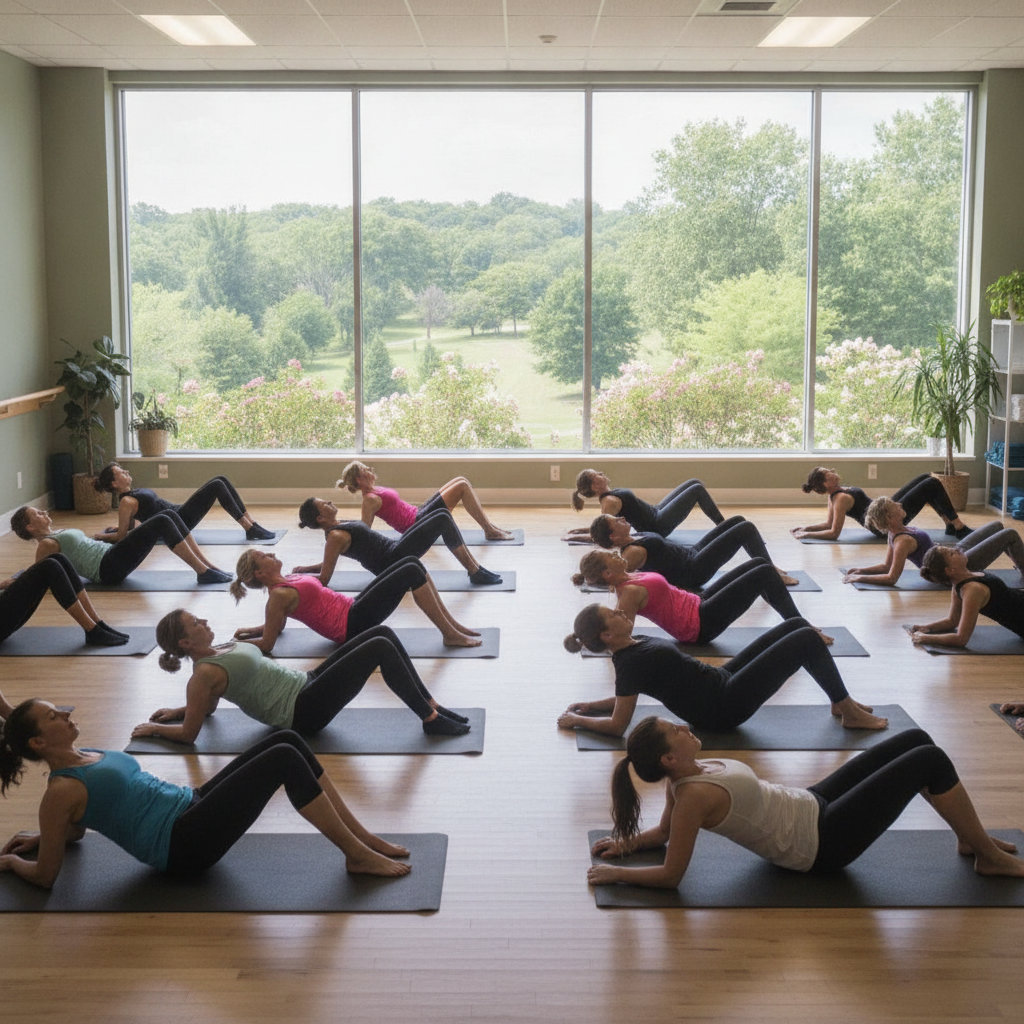
Back pain is a challenge that touches nearly everyone at some point, whether you’re a small business owner, a developer spending long hours at a desk, or simply someone wanting to stay active and pain-free. If you’re searching for effective back pain relief in Rochester Hills, you might be surprised to learn that strengthening your core could be the missing piece. Core stability training isn’t just about getting six-pack abs, it’s a powerful tool for supporting your spine, improving posture, and preventing recurring pain. In this article, we’ll explore how core stability training works, why it’s especially valuable for lasting relief, and how you can incorporate it into your daily routine. Whether you’re new to exercise or already active, understanding the connection between your core and your back can open the door to a healthier, more comfortable life. Let’s dive into the science, practical tips, and local resources that can help you take control of your back health for the long term.
Understanding Core Stability and Its Role in Spinal Health
Core stability refers to the ability of the muscles surrounding your trunk, think abdominals, obliques, lower back, and hips, to work together to support your spine and pelvis. These muscles act as a natural brace, providing a stable foundation for movement and protecting the spine from excessive strain. When your core is strong and well-coordinated, it distributes forces evenly throughout your body, reducing the risk of injury and pain.
For many people, especially those who spend long hours sitting or performing repetitive tasks, the core muscles can become weak or imbalanced. This often leads to poor posture, compensatory movements, and eventually, back pain. Core stability training targets these issues by retraining the muscles to activate properly, improving both strength and endurance. It’s not just about doing crunches, effective core training includes exercises that challenge balance, coordination, and control.
A stable core is essential for everyday activities like lifting, bending, and even standing. Without this stability, the spine is more vulnerable to stress and injury. By focusing on core stability, you’re investing in the long-term health of your back, making it easier to stay active and pain-free. For those seeking professional guidance, Delta Chiropractic offers expertise in integrating core stability into comprehensive back pain management plans.
Why Core Weakness Often Leads to Chronic Back Pain
Chronic back pain is rarely the result of a single incident. More often, it develops gradually as a consequence of muscle imbalances, poor movement patterns, and insufficient support for the spine. One of the most common culprits is a weak or underactive core. When the deep stabilizing muscles aren’t doing their job, other muscles, like those in the lower back, are forced to compensate. This overuse leads to fatigue, tightness, and eventually, pain.
For small business owners and developers, the risk is even higher. Hours spent at a desk or on your feet can cause the core muscles to switch off, while stress and lack of movement further exacerbate the problem. Over time, this can result in a cycle where pain discourages movement, leading to even greater weakness and discomfort.
Addressing core weakness is a proactive way to break this cycle. Core stability training not only strengthens the muscles but also retrains them to engage at the right time, providing consistent support for the spine throughout the day. For those interested in exploring a variety of non-invasive strategies, Non-Surgical Back Pain Relief Options in Rochester Hills, MI can provide further insights and local solutions.
How Core Stability Training Supports Lasting Relief in Rochester Hills
Lasting back pain relief isn’t just about treating symptoms, it’s about addressing the underlying causes. In this city, many residents are turning to core stability training as a foundational strategy for long-term results. Unlike quick fixes or temporary solutions, core training builds resilience from the inside out, making the spine less susceptible to future flare-ups.
Core stability exercises are highly adaptable, making them accessible for people of all ages and fitness levels. Whether you’re recovering from an injury, managing chronic discomfort, or simply aiming to prevent future problems, a well-designed core program can be tailored to your needs. Local health professionals, such as the Top Chiropractor in Rochester Hills, MI for Personalized Spinal Care, often incorporate core stability into their treatment plans, recognizing its value in both rehabilitation and prevention.
By committing to regular core training, you’re not only reducing your current pain but also investing in a healthier future. Many people report improved mobility, better posture, and greater confidence in their ability to stay active. This holistic approach empowers you to take control of your back health, minimizing reliance on medication or invasive procedures.
The Science Behind Core Stability and Back Pain
Scientific research has consistently highlighted the importance of core stability in maintaining spinal health and preventing back pain. The core acts as a dynamic support system, stabilizing the spine during movement and static postures. When these muscles are weak or uncoordinated, the spine is exposed to excessive forces, increasing the risk of injury and chronic discomfort.
Studies have shown that individuals with chronic back pain often exhibit delayed activation of the deep core muscles, such as the transverse abdominis and multifidus. This delay compromises spinal stability, making everyday movements more taxing on the back. Core stability training addresses this issue by retraining the muscles to activate more efficiently, providing immediate and long-term benefits.
Additionally, core training has been linked to improved balance, coordination, and athletic performance. By enhancing the body’s ability to control movement, core stability reduces the likelihood of compensatory patterns that can lead to pain. This evidence-based approach is why so many healthcare providers recommend core exercises as a cornerstone of back pain management.
Common Core Stability Exercises for Back Pain Relief
Effective core stability training doesn’t require fancy equipment or a gym membership. Many of the best exercises can be performed at home or in the office with minimal space. The key is to focus on controlled movements that engage the deep stabilizing muscles without straining the back.
- Plank: A classic exercise that targets the entire core. Maintain a straight line from head to heels, engaging the abdominals and glutes.
- Bird Dog: Begin on hands and knees, then extend one arm and the opposite leg. This challenges balance and coordination while activating the core.
- Dead Bug: Lying on your back, alternate lowering opposite arms and legs while keeping the lower back pressed into the floor.
- Side Plank: Focuses on the obliques and helps improve lateral stability.
- Glute Bridge: Strengthens the glutes and lower back, supporting the pelvis and spine.
It’s important to start with proper form and gradually increase the difficulty as your strength improves. For those with existing pain or injuries, consulting a healthcare professional before beginning a new exercise program is recommended. Personalized guidance ensures that exercises are safe and effective for your specific needs.
How to Integrate Core Stability into Your Daily Routine
Incorporating core stability exercises into your daily life doesn’t have to be time-consuming. Even a few minutes each day can yield significant benefits over time. The key is consistency and variety, ensuring that all core muscles are engaged and challenged.
- Set aside 5-10 minutes in the morning or evening for a quick core routine.
- Take movement breaks during long periods of sitting, try standing planks or seated core activations.
- Incorporate core engagement into daily activities, such as standing tall while waiting in line or bracing your core during household chores.
- Use reminders or apps to stay accountable and track your progress.
For small business owners and busy professionals, integrating core exercises into the workday can be especially helpful. Simple strategies like desk stretches, stability ball seating, or walking meetings can make a big difference. The goal is to make core stability a natural part of your lifestyle, rather than a separate task.
Comparing Core Stability Training to Other Back Pain Solutions
When it comes to back pain relief, there are countless approaches, medication, physical therapy, chiropractic care, massage, and even surgery. Core stability training stands out because it addresses the root cause of many back issues: inadequate support for the spine. Unlike passive treatments, core training empowers you to take an active role in your recovery and prevention.
While other methods can provide temporary relief, core stability training builds lasting resilience. It complements other therapies by enhancing their effectiveness and reducing the likelihood of recurrence. For example, combining core exercises with chiropractic adjustments or physical therapy can accelerate recovery and improve long-term outcomes.
Below is a table comparing core stability training to other common back pain solutions:
| Approach | Addresses Root Cause | Active Participation | Long-Term Benefit |
|---|---|---|---|
| Core Stability Training | Yes | Yes | High |
| Medication | No | No | Low |
| Chiropractic Care | Sometimes | Sometimes | Moderate |
| Surgery | Varies | No | Varies |
This comparison highlights the unique advantages of core stability training as part of a comprehensive back pain relief strategy.
Tailoring Core Stability Programs for Different Lifestyles
No two people experience back pain in exactly the same way. That’s why core stability programs should be customized to fit your unique lifestyle, activity level, and health history. For small business owners who are constantly on the move, dynamic exercises that can be done quickly and without equipment may be ideal. Developers and office workers might benefit from routines that counteract the effects of prolonged sitting, focusing on posture and flexibility in addition to strength.
Parents, athletes, and older adults all have different needs and challenges. A skilled healthcare provider can assess your movement patterns, identify weaknesses, and design a program that targets your specific goals. The most effective core stability routines are those that you enjoy and can stick with over time, ensuring consistent progress and lasting relief.
Remember, it’s never too late to start. Even if you’ve struggled with back pain for years, a personalized core program can help you regain strength, confidence, and control over your health.
Recognizing When to Seek Professional Guidance
While many people can safely begin core stability exercises on their own, there are situations where professional guidance is essential. If you experience severe pain, numbness, tingling, or weakness in your legs, it’s important to consult a healthcare provider before starting any new program. These symptoms could indicate a more serious underlying condition that requires specialized care.
A professional can perform a thorough assessment, identify any movement restrictions or muscle imbalances, and develop a safe, effective plan tailored to your needs. They can also provide hands-on instruction to ensure proper form and technique, reducing the risk of injury. In the area, there are many qualified providers who specialize in back pain relief and core stability training, making it easier than ever to access expert support.
Don’t hesitate to reach out for help if you’re unsure where to start or if your pain isn’t improving with self-care. Early intervention can make a significant difference in your recovery and long-term wellbeing.
Tips for Staying Motivated with Core Stability Training
Sticking with a new exercise routine can be challenging, especially when life gets busy. However, consistency is key to reaping the full benefits of core stability training. Here are some practical tips to help you stay on track:
- Set realistic goals and track your progress over time.
- Find a workout buddy or join a local class for accountability and support.
- Mix up your routine to keep things interesting, try new exercises or increase the challenge as you get stronger.
- Celebrate small victories, like improved posture or reduced pain, to stay motivated.
- Remind yourself of the long-term benefits, such as greater mobility and reduced risk of future injury.
Remember, progress may be gradual, but every step you take brings you closer to lasting back pain relief and a healthier, more active lifestyle.
How Core Stability Benefits Small Business Owners and Developers
For small business owners and developers, back pain can be more than just a nuisance, it can impact productivity, focus, and quality of life. Core stability training offers a practical solution that fits into even the busiest schedules. By investing a few minutes each day in targeted exercises, you can reduce discomfort, improve posture, and boost your energy levels.
Developers who spend hours at a computer are particularly prone to core weakness and related back issues. Simple strategies like standing desks, movement breaks, and core engagement during work tasks can make a big difference. Small business owners who are constantly on the go can benefit from portable exercises that require no equipment, allowing them to stay active and pain-free throughout the day.
Ultimately, core stability training empowers you to take control of your health, reducing reliance on medications and minimizing downtime due to pain. It’s a smart investment in both your personal wellbeing and your professional success.
Key Takeaways
Core stability training is a powerful, evidence-based approach for achieving lasting back pain relief in the Rochester Hills area and beyond. By strengthening and coordinating the muscles that support your spine, you can break the cycle of pain, improve your posture, and enjoy greater freedom of movement. Whether you’re a small business owner, developer, or simply someone seeking a healthier lifestyle, core stability offers benefits that extend far beyond the gym.
Remember, the journey to a pain-free back starts with small, consistent steps. Integrate core exercises into your daily routine, seek professional guidance when needed, and stay motivated by focusing on your progress. With the right approach, you can build a strong foundation for lifelong spinal health and resilience.
If you’re ready to take the next step, explore local resources and connect with professionals who can help you design a personalized core stability program. Your back will thank you for it.