

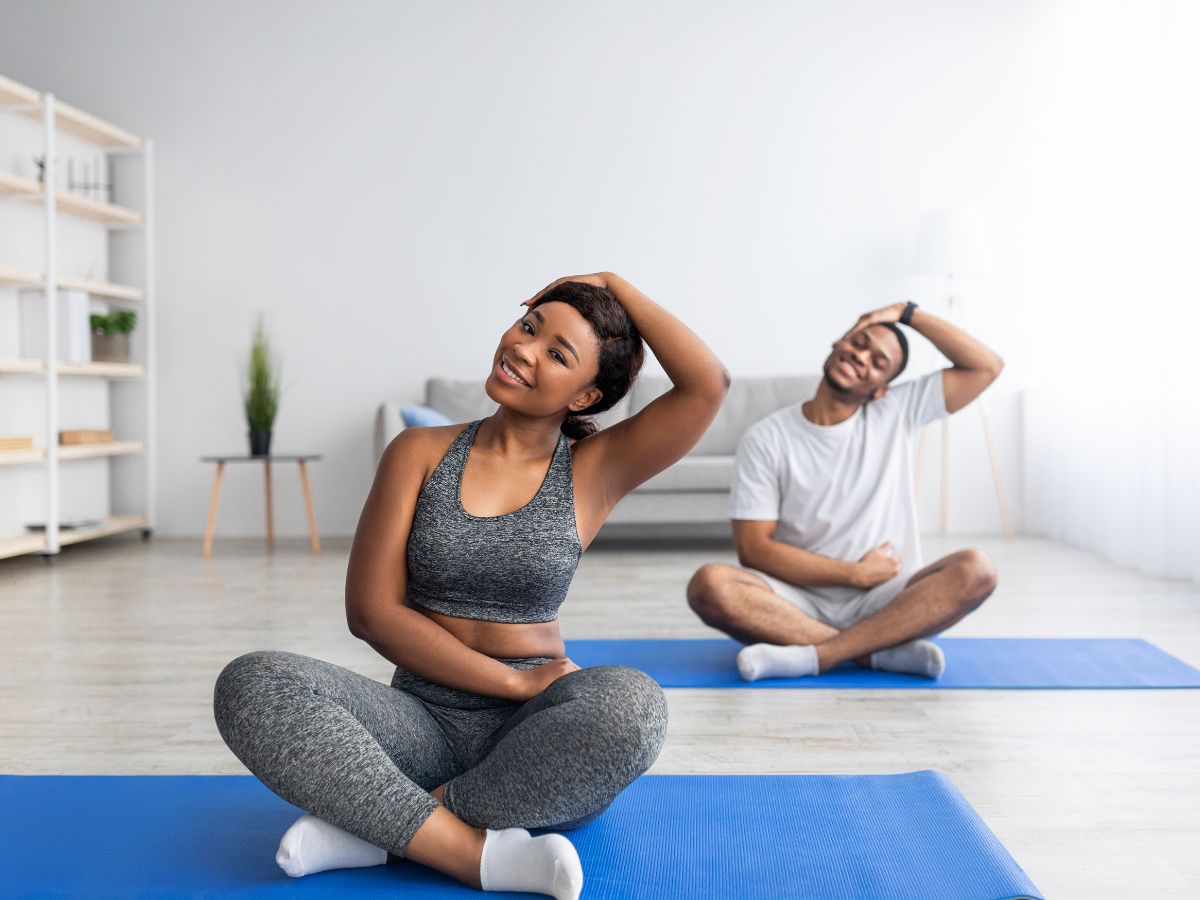
To support your neck health, try exercises like neck tilts, rotations, and chin tucks that enhance strength and flexibility. Incorporate shoulder shrugs to relieve tension and improve posture. Regularly practicing these movements can reduce discomfort and promote better mobility. Don’t forget to use ergonomic furniture and take breaks to stretch throughout your day. There’s so much more you can do to keep your neck healthy, and discovering additional tips can help you maintain overall well-being.
Key Takeaways
- Incorporate warm-up techniques like neck tilts and gentle rotations to enhance flexibility before exercising.
- Strengthen neck muscles with exercises such as chin tucks and isometric presses for better support.
- Practice posture correction by setting hourly reminders and adjusting your workspace for ergonomic alignment.
- Use essential tools like cervical pillows and ergonomic furniture to maintain proper neck alignment during daily activities.
- Engage in mindfulness practices to alleviate tension and enhance overall neck health through relaxation techniques.
Why Neck Health Matters

Neck health matters because it’s vital for your overall well-being. When your neck is in good shape, you can enjoy better mobility and reduced discomfort.
Neck pain can hinder daily activities, making even simple tasks feel intimidating. By prioritizing your neck health, you not only alleviate pain but also enhance your quality of life.
Engaging in neck-focused exercises promotes muscle strength and flexibility, which can greatly contribute to stress relief.
As you relieve tension in your neck, you’re likely to feel calmer and more centered. This connection between neck health and mental well-being is essential; when you feel good physically, it often translates to improved emotional health.
Common Causes of Neck Pain
 Neck pain often stems from poor posture habits, especially if you spend long hours hunched over a screen.
You might also experience discomfort due to muscle strain from activities like lifting or sleeping in awkward positions.
Recognizing these causes is the first step toward effective relief and better neck health.
Poor Posture Habits
Since many people spend hours hunched over screens or phones, poor posture habits have become a leading cause of neck pain. To combat this, you can make ergonomic adjustments and cultivate mindful awareness of your posture throughout the day. Here’s a quick overview of common poor posture habits:
| Poor Posture Habits | Effects on Neck Health |
| Slouching | Strain on neck muscles |
| Craning neck forward | Increased tension |
| Tension in shoulders | Restricted blood flow |
| Leaning on one side | Imbalance in muscles |
| Looking down at screens | Compressed cervical spine |
Muscle Strain Factors
Muscle strain can sneak up on you, especially if you’re unaware of the everyday activities that contribute to it. Common causes include prolonged poor posture, like slouching at your desk or craning your neck to look at your phone. These habits create muscle tension that can lead to discomfort and pain.
You mightn’t realize how vital ergonomic adjustments are in your workspace. Simple changes, like raising your monitor to eye level or using a supportive chair, can make a huge difference.
Regular breaks to stretch and reposition yourself are also important. By being mindful of these factors, you can prevent muscle strain and promote better neck health in your daily life.
How to Warm Up Your Neck for Better Mobility?
Warming up your neck is essential for improving mobility and preventing stiffness.
You can try simple neck stretches and breathing exercises to enhance flexibility and relaxation.
Let’s explore these techniques to keep your neck feeling great.
Importance Of Neck Warm-Ups
Although you might not think about it often, warming up your neck is essential for enhancing mobility and preventing injury. Engaging in neck warm-ups prepares your muscles and joints for activity, reducing stiffness and improving range of motion. Incorporating dynamic movements and gentle rotations can make a significant difference.
Here’s a quick table to illustrate some effective warm-up techniques:
| Exercise | Duration | Benefits |
| Neck Tilts | 30 sec | Stretches side muscles |
| Gentle Rotations | 30 sec | Increases flexibility |
| Forward/Backward | 30 sec | Strengthens neck muscles |
| Shoulder Shrugs | 30 sec | Relieves tension |
| Side Stretches | 30 sec | Enhances lateral mobility |
Simple Neck Stretch Techniques
A few simple neck stretch techniques can greatly enhance your mobility and flexibility. Start with gentle rotations: slowly turn your head to the right, hold for a moment, then rotate to the left. Repeat this several times to loosen your neck muscles.
Next, try seated stretches. While sitting comfortably, tilt your head to the right, bringing your ear towards your shoulder. Hold this position for 15-30 seconds, then switch sides.
You can also look up towards the ceiling and down towards the floor, repeating each movement a few times. These stretches help alleviate tension and improve range of motion, making it easier to move your neck freely throughout the day.
Remember to breathe deeply during each stretch.
Breathing Exercises For Relaxation
To enhance your neck mobility even further, incorporating breathing exercises can be incredibly beneficial.
Start with deep breathing to relax your body and mind. Find a comfortable position, close your eyes, and inhale slowly through your nose, allowing your abdomen to expand. Hold for a moment, then exhale gently through your mouth.
Repeat this for several minutes, focusing on the rhythm of your breath.
You can combine this with mindfulness techniques, like visualizing tension melting away from your neck. As you breathe deeply, consciously relax your shoulders and neck.
This practice not only improves mobility but also enhances overall relaxation, helping you feel more at ease.
With regular practice, you’ll notice increased flexibility and reduced tension in your neck.
Strengthen Your Neck Muscles With Effective Exercises
Strengthening your neck muscles can greatly enhance your overall stability and posture. By focusing on neck strengthening exercises, you can improve muscle endurance and reduce the risk of strain or injury.
Here are some effective exercises to contemplate:
- Chin Tucks: Gently pull your chin toward your chest, keeping your spine straight. Hold for a few seconds.
- Neck Rotations: Slowly turn your head to one side, then the other. This helps improve flexibility.
- Isometric Neck Press: Press your forehead against your hands without moving your head, engaging your neck muscles.
- Shoulder Shrugs: Raise your shoulders toward your ears and hold. This strengthens the upper neck and shoulder area.
Incorporating these exercises into your routine won’t only boost muscle endurance but also help maintain a healthy neck.
Make sure to perform them consistently for the best results!
Neck Health: Stretching Techniques for Relief
Finding relief from neck tension is essential for maintaining overall comfort and mobility. Incorporating dynamic stretches into your routine can greatly alleviate discomfort. Start with gentle neck rolls, moving your head in a circular motion to release tightness.
Then, try side bends by tilting your head toward each shoulder, holding for a few seconds on each side.
In addition to these stretches, relaxation techniques can further enhance your neck health. Deep breathing exercises can help reduce stress, allowing your muscles to relax more effectively.
Pair these practices with mindful movements, like shoulder shrugs, to promote better blood flow.
Remember to listen to your body; if you feel pain, ease off and adjust. By making these stretching exercises a regular part of your day, you’ll support your neck’s health, improving your overall well-being and helping you feel more at ease.
Daily Posture Correction Tips
Although it’s easy to overlook, maintaining proper posture throughout your day can greatly improve neck health. By incorporating simple posture reminders and ergonomic adjustments into your routine, you can create a supportive environment for your neck.
- Set reminders on your phone or computer to check your posture every hour.
- Adjust your workspace to guarantee your monitor is at eye level and your chair supports your back.
- Practice the “chin tuck” exercise throughout the day to align your head with your spine.
- Take breaks every 30 minutes to stretch and reset your posture.
These small but effective changes can make a big difference. By being mindful of your posture and making adjustments as needed, you’ll promote comfort and reduce strain on your neck.
Prioritizing these habits daily will lead to lasting improvements in your neck health.
Essential Tools for Supporting Neck Health at Home
Creating a supportive environment goes beyond just posture correction; having the right tools at home can greatly enhance your neck health. Start by investing in ergonomic furniture, like chairs and desks that promote a neutral spine position. These pieces help reduce strain on your neck while you work or relax.
Supportive gadgets can also play a crucial role. Consider using a cervical pillow during sleep to maintain proper alignment, or a phone stand to keep your device at eye level, preventing you from craning your neck.
Stretching straps and massage balls are excellent for relieving tension and promoting mobility.
Incorporating these tools into your daily routine not only supports your neck health but also encourages better overall posture. By prioritizing comfort and alignment at home, you can create a more supportive environment that benefits your neck in the long run.
When to Seek Professional Help for Neck Issues
When should you consider seeking professional help for neck issues? If you’re experiencing persistent discomfort or any concerning symptoms, it’s crucial to consult a healthcare provider.
Here are some signs that warrant professional attention:
- Chronic pain that lasts longer than a few weeks and interferes with daily activities.
- Neurological symptoms, such as numbness, tingling, or weakness in your arms or hands.
- Difficulty moving your neck or severe stiffness that doesn’t improve with rest or over-the-counter treatments.
- Pain that radiates to your shoulders, arms, or back, suggesting a more serious underlying issue.
Don’t ignore these signals.
Early intervention can prevent more extensive problems down the line.
Prioritize your neck health and seek help when needed.
Tips for Maintaining Long-Term Neck Health
To maintain long-term neck health, it’s essential to adopt a proactive approach that includes proper posture, regular exercise, and mindful habits.
Start by making ergonomic adjustments to your workspace. Confirm your computer screen is at eye level and your chair supports your lower back. This simple change can greatly reduce neck strain.
Incorporate mindfulness practices into your daily routine. Take breaks every hour to stretch and relax your neck muscles. Simple neck rolls or gentle stretches can alleviate tension and improve flexibility.
Pay attention to your posture throughout the day. Keep your shoulders relaxed and your head aligned over your spine, whether you’re sitting or standing.
Lastly, stay active with specific neck-strengthening exercises.
By nurturing your neck with these habits, you’ll promote long-term health and prevent future discomfort.
Frequently Asked Questions
Can Neck Pain Be Related to Stress or Anxiety?
Yes, neck pain can definitely relate to stress or anxiety. When you manage stress effectively and seek anxiety relief, you may notice a significant reduction in tension and discomfort in your neck.
How Does Hydration Affect Neck Health?
Hydration plays an essential role in neck health. When you increase your water intake, you enhance muscle function and reduce stiffness, helping prevent discomfort. Staying well-hydrated offers numerous hydration benefits for overall well-being.
Are There Any Specific Foods That Improve Neck Health?
Yes, incorporating anti-inflammatory foods like berries and leafy greens, along with muscle strengthening nutrients such as lean proteins and healthy fats, can greatly improve your neck health and support overall muscle function.
Can Poor Eyesight Contribute to Neck Pain?
Yes, poor eyesight can contribute to neck pain. When you strain to see, it affects your posture. By using vision correction and maintaining posture awareness, you can reduce neck discomfort and promote overall well-being.
Is It Safe to Sleep on My Stomach for Neck Health?
It’s not safe to sleep on your stomach for neck health. This position can compromise spinal alignment, leading to increased strain on your neck. Try sleeping on your side or back for better support.
Final Thoughts
At Delta Chiropractic Rochester Hills, we know that supporting neck health takes more than short-term relief. Building strength, improving flexibility, correcting posture, and making simple daily changes can all help reduce tension and support better long-term function. Consistent care and the right habits can make a meaningful difference in how your neck feels and performs each day.
If you are dealing with neck pain, headaches, migraines, or posture concerns, our team is here to help with focused chiropractic care tailored to your needs. Contact Delta Chiropractic Rochester Hills today or schedule your appointment to take the next step toward better neck health, improved comfort, and lasting relief.