

Back pain is a common concern for professionals across all industries, especially those who spend long hours at a desk or on their feet. For small business owners, developers, and anyone working in an office environment, understanding the best practices for preventing back pain is essential for long-term health and productivity. The search for effective Back Pain Relief Rochester Hills MI solutions is more relevant than ever, as more people recognize the importance of ergonomics in the workplace. This article explores practical ergonomic strategies, local insights, and actionable steps that can help you and your team avoid discomfort and maintain a healthy back throughout your workday. Whether you’re setting up a new office, managing a team, or simply looking to improve your own workspace, these best practices will empower you to take control of your spinal health and boost your overall well-being.
Back Pain Relief Rochester Hills: Ergonomic Strategies That Work
Ergonomics is more than just a buzzword in today’s professional landscape. It’s a science-backed approach to designing workspaces that fit the user, not the other way around. In the area, many professionals are realizing that simple changes to their environment can lead to significant improvements in comfort and productivity. The foundation of back pain prevention starts with an ergonomic assessment of your workspace. This means evaluating your chair, desk, computer monitor, and even the way you move throughout the day.
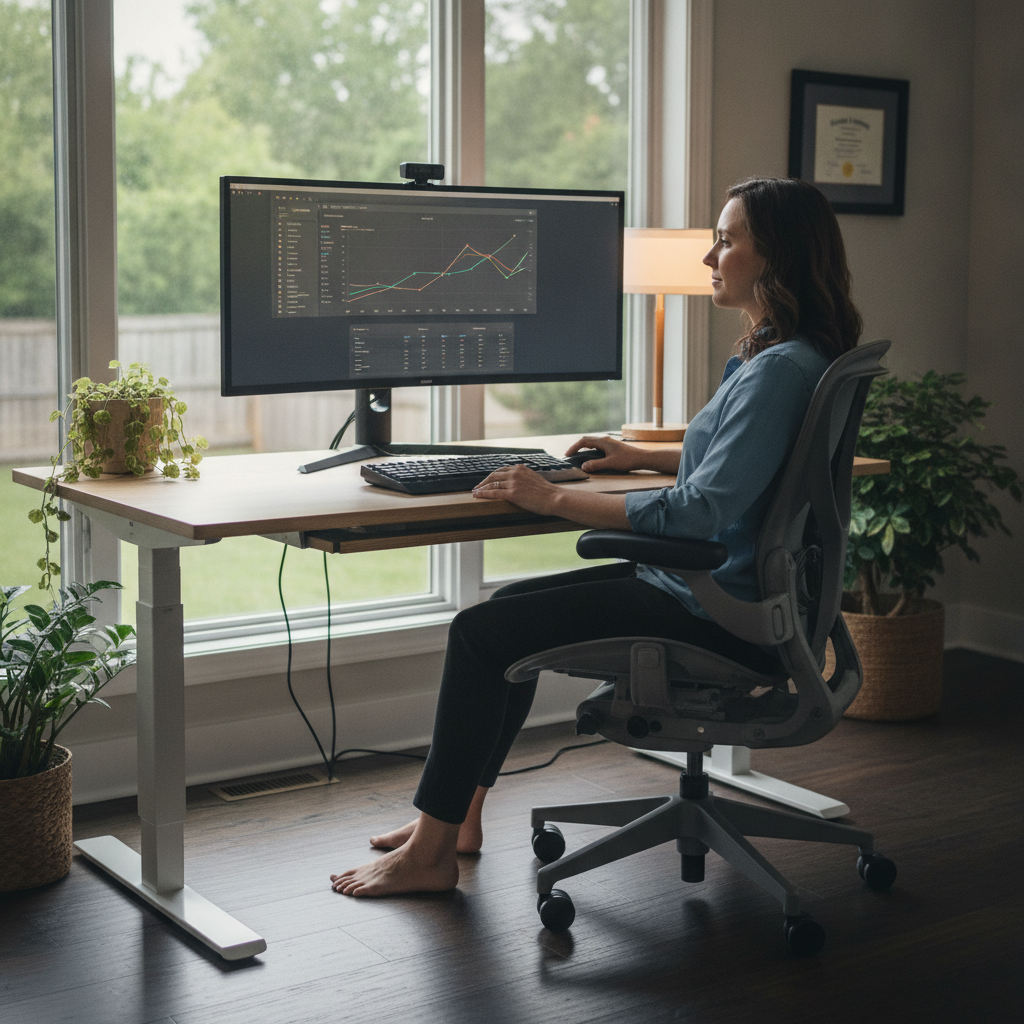
A properly adjusted chair should support the natural curve of your spine, allowing your feet to rest flat on the floor and your knees to be at a right angle. Your desk height should enable your elbows to remain close to your body and form a 90-degree angle when typing. Monitors should be at eye level to prevent neck strain. Even small tweaks, such as using a footrest or adjusting the tilt of your keyboard, can make a big difference in reducing the risk of back pain.
For those seeking Back Pain Relief Rochester Hills MI, it’s important to recognize that ergonomics is not a one-size-fits-all solution. Personal preferences, body types, and job requirements all play a role. Many local businesses have found success by consulting with ergonomic specialists who tailor recommendations to individual needs. Investing in adjustable furniture and providing training on proper posture can yield long-term benefits for both employees and employers. By prioritizing ergonomics, you can create a healthier, more comfortable, and more productive work environment for everyone.
Back Pain Relief Rochester Hills MI: Office Setup Essentials
Setting up your office with back health in mind is crucial for anyone looking to avoid chronic discomfort. In this region, many small businesses and tech professionals are turning to ergonomic furniture and accessories to support their well-being. The essentials begin with a supportive office chair that offers lumbar support and adjustable features. Look for chairs with height, tilt, and armrest adjustments so you can customize your seating position throughout the day.
Your desk should be at a height where you can type comfortably without hunching your shoulders or straining your wrists. Consider a sit-stand desk, which allows you to alternate between sitting and standing, reducing the pressure on your lower back. Monitor stands or adjustable arms can help position your screen at eye level, preventing neck and upper back strain. Keyboard trays and ergonomic mice can further enhance your setup by promoting natural wrist and hand positions.
Lighting also plays a role in back health. Poor lighting can cause you to lean forward or strain your eyes, leading to poor posture. Ensure your workspace is well-lit, using task lighting if necessary. Cable management solutions keep cords organized and out of the way, reducing the risk of tripping or awkward reaching. By investing in these office setup essentials, you lay the groundwork for effective Back Pain Relief Rochester Hills MI and create an environment that supports your health and productivity.
Back Pain Relief Rochester Hills Michigan: Movement and Microbreaks
No matter how ergonomic your workspace is, staying in one position for too long can contribute to back pain. Regular movement and microbreaks are essential for maintaining spinal health and preventing discomfort. In this community, many professionals have adopted routines that encourage standing, stretching, and walking throughout the day. These habits not only reduce the risk of back pain but also improve circulation and boost energy levels.
A simple strategy is to set a timer to remind yourself to stand up and move every 30 to 60 minutes. Even a brief walk around the office or a few stretches at your desk can make a significant difference. Focus on movements that target the back, shoulders, and hips, such as gentle twists, shoulder rolls, and hamstring stretches. Incorporating these microbreaks into your daily routine can help counteract the negative effects of prolonged sitting or repetitive tasks.
Many local businesses are now encouraging a culture of movement by providing standing meeting spaces, organizing group stretch breaks, or even offering on-site yoga classes. These initiatives not only support physical health but also foster a sense of community and well-being among employees. By making movement a priority, you can significantly enhance your efforts toward Back Pain Relief Rochester Hills MI and create a more dynamic, healthy workplace.
The Science of Ergonomics: Why It Matters
Ergonomics is grounded in the study of how people interact with their environment and tools. The primary goal is to optimize comfort, efficiency, and safety. Poor ergonomic practices can lead to musculoskeletal disorders, including chronic back pain, neck strain, and repetitive stress injuries. Research shows that employees who work in ergonomically optimized environments experience fewer injuries, reduced absenteeism, and higher productivity.
The science behind ergonomic interventions is robust. For example, studies have demonstrated that adjustable chairs and desks can significantly reduce lower back pain. Similarly, proper monitor placement can prevent eye strain and neck discomfort. Ergonomics also considers the psychological impact of the workspace, recognizing that a comfortable environment can enhance focus and job satisfaction.
For business owners, investing in ergonomics is not just about employee comfort, it’s a smart business decision. Reduced workplace injuries mean lower healthcare costs and less downtime. Employees who feel cared for are more likely to stay engaged and loyal to the company. By understanding the science of ergonomics, you can make informed decisions that benefit both your team and your bottom line.
Common Causes of Workplace Back Pain
Understanding the root causes of workplace back pain is the first step toward prevention. One of the most common culprits is prolonged sitting in a poorly designed chair. When the spine is not properly supported, pressure builds up in the lower back, leading to discomfort and, over time, chronic pain. Other contributing factors include repetitive movements, awkward postures, and heavy lifting without proper technique.
Technology can also play a role. Laptops, tablets, and smartphones encourage users to hunch over, increasing the strain on the neck and upper back. Inadequate lighting or cluttered workspaces may force workers into unnatural positions, compounding the risk of injury. Stress and fatigue can further exacerbate back pain by causing muscle tension and reducing awareness of posture.
By identifying these common causes, you can take proactive steps to address them. This might involve investing in ergonomic furniture, reorganizing your workspace, or providing training on safe lifting techniques. The key is to create an environment that minimizes risk factors and supports healthy movement throughout the day.
Table: Ergonomic Checklist for Back Pain Prevention
| Ergonomic Element | Best Practice | Benefit |
|---|---|---|
| Chair | Adjust height, lumbar support, armrests | Reduces lower back strain |
| Desk | Set at elbow height, consider sit-stand option | Promotes healthy posture |
| Monitor | Position at eye level, arm’s length away | Prevents neck and shoulder pain |
| Keyboard/Mouse | Keep wrists straight, use ergonomic tools | Reduces wrist and hand strain |
| Lighting | Ensure adequate, glare-free lighting | Minimizes eye strain and poor posture |
| Movement | Take breaks, stretch regularly | Improves circulation, reduces stiffness |
Posture Tips for Desk Workers
Maintaining good posture is one of the most effective ways to prevent back pain at work. Start by sitting with your back against the chair and your feet flat on the floor. Your knees should be at hip level or slightly lower, and your shoulders relaxed. Avoid crossing your legs, as this can shift your spine out of alignment.
Keep your computer monitor directly in front of you at eye level, and your keyboard and mouse within easy reach. This reduces the need to twist or reach, which can strain the back and shoulders. If you use a phone frequently, consider a headset to avoid cradling the phone between your ear and shoulder. Remember to check your posture periodically throughout the day, especially when you feel tired or distracted.
Simple exercises, such as shoulder blade squeezes and seated spinal twists, can help reinforce good posture habits. Encourage your team to share posture tips and support each other in maintaining healthy habits. Over time, these small adjustments can lead to significant improvements in comfort and productivity.
Standing Desks and Active Workstations
Standing desks and active workstations are gaining popularity as effective tools for reducing back pain. By allowing workers to alternate between sitting and standing, these setups help distribute pressure more evenly across the body. This can alleviate lower back pain and reduce the risk of developing musculoskeletal issues over time.
When using a standing desk, it’s important to maintain proper posture. Stand with your feet shoulder-width apart, knees slightly bent, and weight evenly distributed. Your monitor should be at eye level, and your keyboard at a comfortable height. Anti-fatigue mats can provide additional support and reduce strain on your legs and back.
Active workstations, such as treadmill desks or balance boards, offer even more opportunities for movement throughout the day. These options may not be suitable for every workplace, but they can be a valuable addition for those seeking to increase activity levels and support back health. Encourage employees to experiment with different setups to find what works best for their needs.
Stretching and Strengthening Exercises
Incorporating stretching and strengthening exercises into your daily routine is a powerful way to prevent and relieve back pain. Focus on stretches that target the lower back, hamstrings, and hip flexors, as these areas are commonly affected by prolonged sitting. Simple movements like knee-to-chest stretches, seated spinal twists, and cat-cow stretches can help maintain flexibility and reduce muscle tension.
Strengthening exercises are equally important. Core exercises, such as planks and bridges, support the spine and improve overall stability. Incorporate these movements into your routine a few times a week to build resilience and protect your back from injury. Many online resources and fitness apps offer guided routines specifically designed for office workers.
Encourage your team to take short stretch breaks during the day, especially after long periods of sitting. Even a few minutes of movement can make a significant difference in how you feel by the end of the workday. By prioritizing both stretching and strengthening, you lay the foundation for lasting back health and effective Back Pain Relief Rochester Hills MI.
Employee Wellness Programs: Building a Culture of Health
Employee wellness programs are a powerful way to promote back health and overall well-being in the workplace. These programs can include ergonomic assessments, onsite fitness classes, educational workshops, and incentives for healthy behaviors. By investing in wellness, business owners demonstrate a commitment to their team’s health and create a positive, supportive work environment.
Successful wellness programs are tailored to the needs and interests of the workforce. This might involve offering flexible work arrangements, providing standing desks, or organizing group stretch breaks. Regular communication and feedback are essential to ensure that initiatives remain relevant and effective.
In this city, many organizations have found that wellness programs lead to improved morale, lower healthcare costs, and reduced absenteeism. By fostering a culture of health, you empower employees to take charge of their well-being and support each other in maintaining healthy habits. The result is a more engaged, productive, and resilient workforce.
When to Seek Professional Help
While ergonomic adjustments and healthy habits can prevent most cases of workplace back pain, there are times when professional intervention is necessary. Persistent or severe pain, numbness, tingling, or weakness in the legs may indicate a more serious condition that requires medical attention. Early intervention can prevent minor issues from becoming chronic problems.
Chiropractors, physical therapists, and occupational health specialists are valuable resources for diagnosing and treating back pain. They can provide personalized recommendations, hands-on therapy, and guidance on exercises and stretches. Many professionals in the region offer ergonomic assessments and workplace consultations to help identify and address risk factors.
Encourage your team to report any discomfort early and seek help when needed. By addressing issues promptly, you can minimize downtime and support long-term health and productivity. Remember, prevention is always more effective than treatment, but professional support is available when needed.
Key Takeaways
Preventing back pain at work is a multifaceted effort that combines ergonomic best practices, regular movement, and a supportive workplace culture. By investing in adjustable furniture, promoting healthy posture, and encouraging movement throughout the day, you can significantly reduce the risk of discomfort and injury. Employee wellness programs and professional support further enhance these efforts, ensuring that everyone in the workplace can thrive.
Remember, the journey to effective Back Pain Relief Rochester Hills MI begins with small, consistent changes. Whether you’re a business owner, developer, or employee, taking proactive steps today will pay dividends in comfort, productivity, and long-term health. Empower yourself and your team to embrace ergonomic enlightenment and create a workplace where everyone feels their best.