

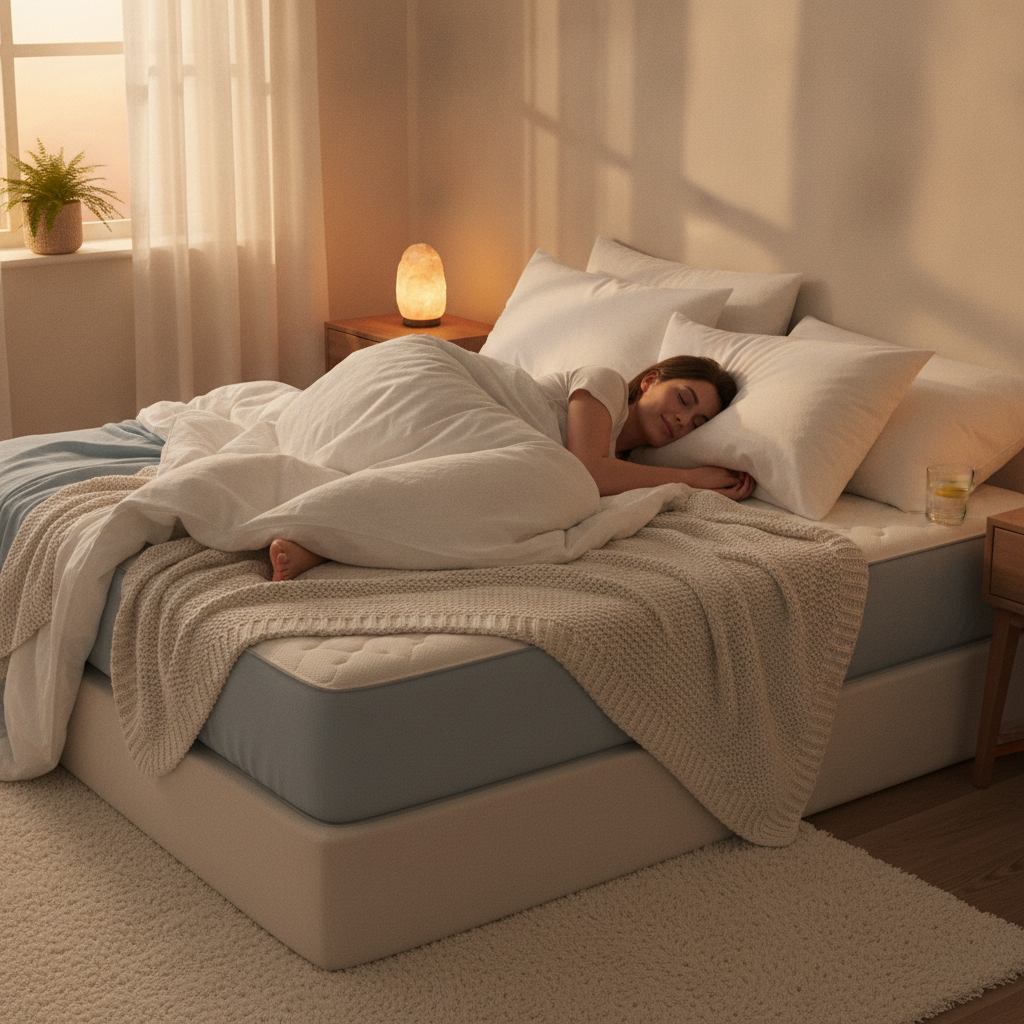
There is a special kind of misery reserved for the person who goes to bed hoping to recover and wakes up with a hot, tingling line of pain running from the lower back down one leg. Sciatica has a way of making the night feel longer than the day, and a poor night’s sleep makes pain feel louder the next morning. If you are searching for sciatica treatment Rochester Hills residents can rely on, it helps to know that what happens in bed matters just as much as what happens during daytime care.
The reason is simple. You spend roughly a third of your life horizontal, and the shape your spine holds during those hours can either give irritated nerve tissue some breathing room or squeeze it a little harder. A mattress that sags, a pillow that tilts your neck, or a twisted pelvis can all quietly feed the cycle of pain, poor rest, and more pain.
The good news is that small adjustments often make a noticeable difference. Changing how you lie down costs almost nothing, takes no special equipment beyond a pillow or two, and can be tested tonight. In this guide, we walk through the sleeping positions people commonly find helpful, the ones that tend to cause trouble, and the little setup details that turn a restless night into a more restorative one. Think of these ideas as practical starting points to discuss with a qualified professional, not a replacement for a proper evaluation.
Why Sleep Position Changes How Sciatica Feels
The sciatic nerve is the longest nerve in the body, running from the lower spine through the buttock and down the back of each leg. When something irritates it, such as a bulging disc or tight surrounding muscles, the discomfort can radiate far from the original source. Position matters because it changes how much space the nerve roots have as they exit the spine.
Lying flat for hours can increase or decrease pressure on those structures depending on the curve of your lower back. A position that gently opens the spaces around the nerve may calm things down, while one that arches or twists the spine can provoke symptoms. People differ a great deal, so there is no single perfect posture for everyone.
If your symptoms keep disrupting your nights despite home adjustments, a structured plan may help. Many people explore sciatica treatment Rochester Hills options to pair a hands-on assessment with at-home strategies like the ones below.
Side Sleeping With a Pillow Between the Knees
For many people, lying on one side is the most comfortable starting point. The trick is what you do with your legs. When you stack one leg directly on top of the other, the upper leg tends to drop forward and rotate the pelvis, which can twist the lower spine and tug on irritated tissue.
Placing a firm pillow between your knees keeps the hips level and the pelvis stacked, so the spine stays closer to its natural line. The pillow should be thick enough that your knees and ankles sit at roughly the same height, which keeps the top hip from collapsing downward.
A few practical details help here:
- Choose a pillow that stays put instead of squishing flat in the middle of the night.
- Try both sides, since one may feel clearly better than the other.
- Keep your head pillow tall enough to fill the gap between your ear and the mattress.
- Bend your knees slightly rather than pulling them tightly toward your chest.
If one side clearly aggravates symptoms, listen to that signal and avoid lying on it for long stretches.
Back Sleeping With Support Under the Knees
Lying on your back spreads your body weight across the largest surface area, which can reduce pressure on any single spot. Many people with sciatica find it comfortable once they add a little support in the right places.
The key tweak is a pillow or rolled towel placed under the knees. This gentle bend lets the hip flexors relax and flattens an overly arched lower back, which can ease strain on the structures surrounding the nerve. Without it, straight legs may pull the pelvis forward and increase the curve in the lumbar spine.
Some people also like a small, thin towel roll under the curve of the lower back for a touch of extra support, though this is personal preference. If it feels like it pushes your back into an uncomfortable arch, skip it. The goal is a neutral, relaxed feeling, not a forced shape.
If you want a professional to look at how your spine is actually moving, a local Chiropractor in Rochester Hills, MI can assess your posture and suggest which supported position suits your particular pattern of symptoms.
The Fetal Position and Why Moderation Matters
Curling up on your side with your knees drawn toward your chest is a classic recommendation, especially for people whose discomfort is linked to a disc issue. Flexing the spine slightly can open the small spaces where nerve roots exit, and some people feel quick relief in this posture.
There is a catch, though. Tucking too tightly for hours can leave you stiff and sore, and it may make it harder to straighten up in the morning. A loose, comfortable curl tends to work better than a tight ball.
If you try this approach, keep a pillow between your knees and avoid hunching your shoulders forward. Switching sides periodically through the night is fine if you wake and notice numbness building. Mild changes in position are normal and actually healthy, since staying frozen in one posture for eight hours can increase stiffness.
If you find that only extreme curling brings relief, take note, because that detail can be useful information when describing your symptoms to a professional. Persistent pain that forces you into one exact posture deserves a proper evaluation rather than more guesswork at home.
Stomach Sleeping and Other Positions to Approach Carefully
Lying on your stomach is generally the position most people are advised to avoid when sciatica is active. It tends to flatten the natural curve of the neck and push the lower back into extension, forcing the head to rotate to one side for hours. That combination can strain both the neck and lumbar spine.
If stomach sleeping is a lifelong habit and you cannot imagine switching, you do not have to quit overnight. A thin pillow under the hips and abdomen can soften the arch in the lower back, and using a very flat pillow, or none at all, under the head may reduce neck strain.
Other positions that often cause trouble include:
- Sleeping on a couch or recliner that holds the spine in a twist.
- Lying with one leg dropped far forward or crossed over the other.
- Falling asleep sitting up with your head slumped forward.
Habit changes take time, so give a new position a few nights before deciding whether it helps. If you want a wider look at managing discomfort across your whole day, you can click here to explore broader back care options.
Choosing a Mattress That Works With Your Spine
People often assume a rock-hard mattress is best for a sore back, but research and common experience suggest that is not always true. A surface that is too firm can create pressure points at the hips and shoulders, while one that is too soft lets the pelvis sink and the spine sag out of line.
A medium-firm surface tends to suit many people because it supports the natural curves while still allowing some contouring. Still, body weight, sleeping position, and personal comfort all play a role, so the best mattress is the one that keeps your spine reasonably level and lets you wake with less stiffness.
Here is a quick way to evaluate your current bed:
- Lie on your side and check whether your spine stays roughly horizontal.
- Notice visible dips where you usually sleep.
- Think about how old the mattress is, since sagging builds slowly.
If replacing a mattress is not in the budget, a mattress topper or placing a firm board beneath a sagging mattress can sometimes help as a stopgap.
Pillow Height, Neck Alignment, and Nerve Comfort
It is easy to focus entirely on the lower back and forget that the spine is one continuous chain. If your head is propped too high or sinks too low, the neck bends out of line, and that tension can travel down through the upper and mid back, influencing how your whole body settles.
For side sleepers, the pillow should fill the space between the ear and the shoulder so the head stays level with the rest of the spine. For back sleepers, a thinner pillow that supports the natural curve of the neck usually works better than a tall, stacked one.
Many people also benefit from simple pre-bed rituals. Gentle movement before lying down, such as an easy stroll, can leave the body looser and more relaxed. If you are curious how light activity fits into recovery, reading about How Walking Programs Can Support Sciatica Recovery in Rochester Hills can give you a gentle framework to build on.
A Quick Comparison of Common Sleeping Positions
Because every body responds a little differently, a side-by-side look can make choices easier. The table below summarizes the general patterns people report, not a medical guarantee. Treat it as a starting point and adjust based on your own comfort.
| Position | Helpful Support | General Notes |
|---|---|---|
| Side sleeping | Pillow between the knees | Keeps hips and pelvis level; often comfortable for many people |
| Back sleeping | Pillow under the knees | Reduces lower back arch; spreads body weight evenly |
| Loose fetal curl | Pillow between the knees | May open nerve spaces; avoid curling too tightly |
| Stomach sleeping | Thin pillow under the hips | Usually discouraged; strains the neck and lower back |
Getting In and Out of Bed Without Aggravating Symptoms
Even the best sleeping position can be undone by a rough transition. Sitting straight up from lying flat forces the spine to bend and twist at once, which can spark a sharp jolt of leg pain. The smoother way is the log roll, where the whole body moves as one unit.
To get out of bed, bend your knees and roll onto your side, keeping your shoulders and hips moving together. Then let your legs swing off the edge while you push up through your arms, so the weight of your legs helps lift your torso. Reverse the steps when lying down.
A few small habits make mornings easier:
- Pause on the edge of the bed for a few breaths before standing.
- Avoid reaching for the floor or twisting to grab something while seated.
- Take a short, gentle walk to loosen up before demanding tasks.
These tiny motion choices add up over weeks, and many people notice fewer sharp flare-ups simply by moving more deliberately at the edges of the day.
Using Heat, Ice, and Wind-Down Habits Before Bed
How you prepare your body for sleep can matter nearly as much as how you lie in bed. A warm shower or a heating pad on a low setting for a short time may relax tight muscles around the lower back and hips, making it easier to settle into a comfortable position.
Some people prefer cold, especially when pain feels sharp or inflamed. Deciding between the two depends on the type of discomfort, and it helps to understand the reasoning. If you want a clear explanation, the guide on When Heat or Ice Works Best for Back Pain in Rochester Hills breaks down how to choose.
Beyond temperature, consider a calming routine: dim the lights, step away from screens, and try slow breathing or gentle stretching that does not provoke leg symptoms. Keep the room cool and quiet, and avoid heavy meals right before bed. Never fall asleep on a heating pad, since skin burns can happen when you are not alert.
Signs It Is Time to Get Professional Guidance
Home adjustments are worth trying, but they have limits. If pain keeps waking you every night, if numbness or weakness is spreading, or if symptoms are not easing after a couple of weeks of consistent changes, it is wise to get evaluated rather than keep guessing.
Certain red flags call for urgent medical attention instead of waiting. These include sudden loss of bladder or bowel control, numbness in the groin or saddle area, or rapidly worsening leg weakness. Do not delay if you notice any of these.
For ongoing but less urgent symptoms, a hands-on assessment can identify what is driving the irritation, whether that is a joint restriction, muscle tension, or a disc-related pattern. Residents of Rochester Hills often find that combining targeted care with smart sleep habits gives them more lasting comfort than either approach alone. Bring notes on which positions help or hurt, since those details help a clinician tailor recommendations to you.
Your Next Steps
Sleep and sciatica share a frustrating relationship: pain disrupts rest, and poor rest makes pain feel worse. The encouraging part is that you have more control over the night than you might think. Lying on your side with a pillow between your knees, resting on your back with support under your legs, or trying a loose, relaxed curl can each give irritated nerves a little more room. Avoiding stomach sleeping, choosing a supportive mattress, and fine-tuning your pillow height round out a setup that works with your body rather than against it.
Remember that this is about experimentation. Change one thing at a time, give it a few nights, and keep track of what actually improves how you feel in the morning. Small habits like rolling out of bed carefully and winding down with a calming routine can compound into noticeable relief over the following weeks.
At the same time, be honest about when self-care is not enough. Persistent, worsening, or unusual symptoms deserve a proper evaluation, and urgent warning signs should never wait. Pairing smart bedtime habits with a thoughtful, professional plan gives you the best chance of waking up feeling more rested and ready for the day. Start with tonight: grab a pillow, find your most comfortable position, and give your back the supportive rest it has been asking for.