

Neck pain and headaches are more than just minor annoyances, they can disrupt your work, sleep, and daily life, especially for small business owners and developers who rely on focus and productivity. If you’ve been searching for a chiropractor Rochester Hills residents trust, you’re not alone. Many in the area are turning to chiropractic care as a natural, non-invasive solution for persistent neck discomfort and recurring headaches. Whether you’re hunched over a laptop all day, managing a team, or simply want to enjoy life without constant pain, understanding how chiropractic care addresses these issues can open the door to lasting relief. In this article, we’ll explore how chiropractors help with neck pain and headaches, what makes their approach unique, and why so many in this community are seeing real results. Let’s dive into the science, the process, and the practical benefits of working with a skilled chiropractor in your neighborhood.
Why Neck Pain and Headaches Are So Common
Modern lifestyles have made neck pain and headaches increasingly prevalent. Hours spent at computers, frequent smartphone use, and poor posture can all contribute to tension in the neck and shoulders. For small business owners and developers, the pressure to meet deadlines and the tendency to work long hours can add to the strain. This tension often leads to what’s known as “tech neck,” a condition where the natural curve of the cervical spine is lost, resulting in stiffness, soreness, and headaches that can radiate from the base of the skull into the forehead or behind the eyes.
But it’s not just about technology. Stress, lack of movement, and even previous injuries can all play a role. The neck is a delicate structure, supporting the weight of the head and housing nerves that travel to the arms and hands. When something is out of balance, it can trigger pain signals and muscle spasms. Headaches, especially tension and cervicogenic types, are often closely linked to problems in the neck. Understanding these underlying causes is the first step in finding effective, lasting relief.
Chiropractors are uniquely trained to assess these patterns and identify the root causes of discomfort. By looking beyond the site of pain and considering your daily habits, stress levels, and movement patterns, they can create a targeted plan to address both neck pain and the headaches that often accompany it. For those seeking a holistic, drug-free approach, Delta Chiropractic is one local option that offers comprehensive care tailored to your needs.
How Chiropractic Adjustments Ease Neck Pain
Chiropractic adjustments are at the heart of how chiropractors help with neck pain. These gentle, precise movements restore proper alignment to the cervical spine, which can relieve pressure on nerves, reduce muscle tension, and improve mobility. When the vertebrae in your neck are even slightly misaligned, it can lead to inflammation, restricted movement, and pain that radiates into the shoulders or upper back.
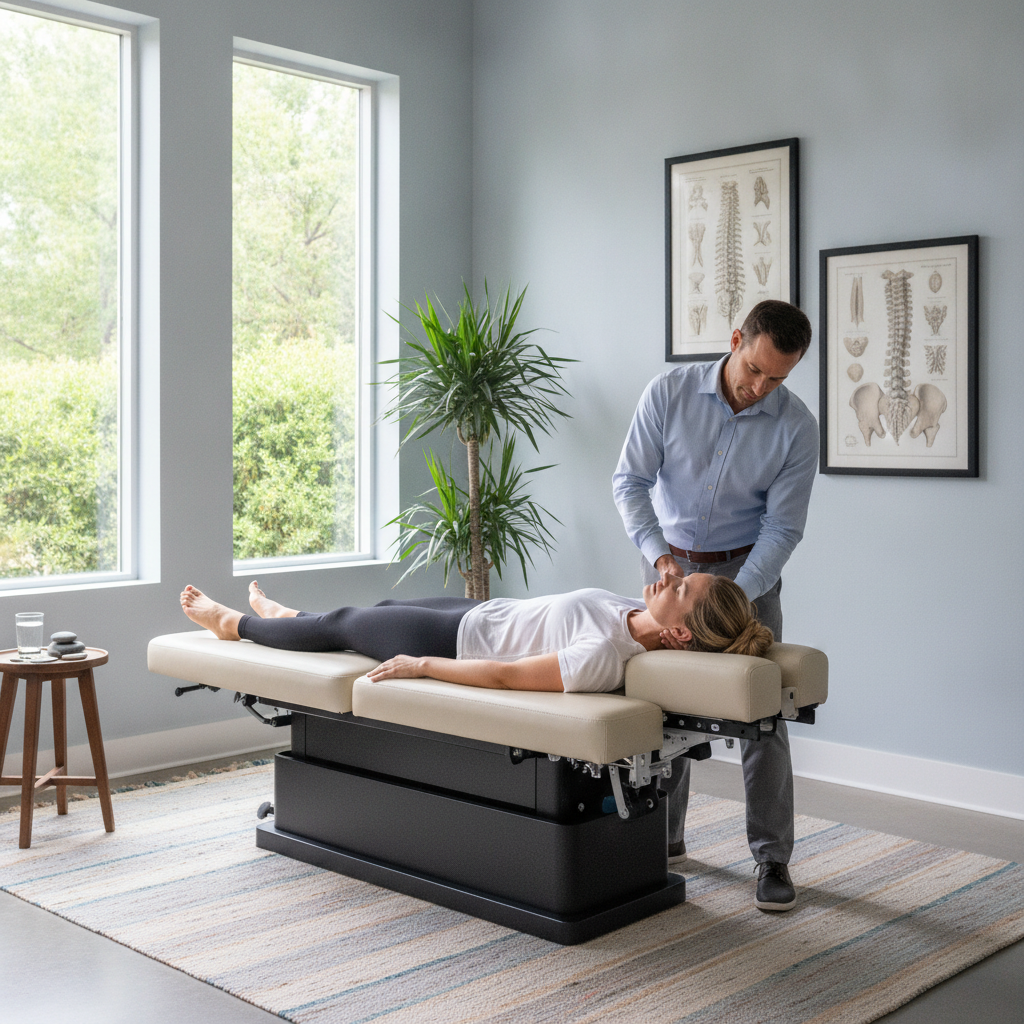
During an adjustment, the chiropractor will use their hands or a specialized instrument to apply a controlled force to specific joints. This process is usually painless and often brings immediate relief. Over time, regular adjustments can help retrain muscles, improve posture, and prevent future flare-ups. For many, this means fewer painkillers, less time off work, and a greater ability to focus on what matters most.
If you’re curious about what to expect, What Happens During Your First Visit to a Rochester Hills Chiropractor? offers a detailed overview of the process, from initial assessment to personalized care recommendations. Understanding the steps involved can help you feel more confident and prepared as you begin your journey toward pain relief.
The Connection Between Neck Issues and Headaches
Many people don’t realize just how closely connected neck problems and headaches can be. Cervicogenic headaches, for example, originate from dysfunction in the neck’s joints, muscles, or nerves. When the upper cervical vertebrae are misaligned or restricted, they can irritate nerves that travel up into the head, resulting in pain that mimics migraines or tension headaches.
Chiropractors are skilled at identifying these patterns through a combination of physical examination, posture analysis, and a review of your health history. By addressing the underlying neck dysfunction, they can often reduce the frequency and intensity of headaches. This approach is especially appealing for those who want to avoid relying on medication or who haven’t found relief through traditional treatments.
For individuals who also experience radiating pain or symptoms like tingling and numbness, it’s important to rule out conditions such as sciatica. If you’re interested in learning more about how different non-surgical treatments compare, take a look at Sciatica Relief in Rochester Hills, MI: Comparing Non-Surgical Treatment Approaches for an in-depth discussion.
Understanding the Chiropractic Evaluation Process
A thorough evaluation is the foundation of effective chiropractic care for neck pain and headaches. When you visit a chiropractor, the process typically begins with a detailed health history, focusing on your symptoms, daily activities, and any previous injuries. This information helps the practitioner understand the context of your pain and identify potential contributing factors.
Next, the chiropractor will perform a physical examination. This may include assessing your posture, range of motion, muscle strength, and joint mobility. Special attention is paid to the cervical spine, but the evaluation often extends to the shoulders, upper back, and even the jaw, as these areas can influence neck function. In some cases, orthopedic or neurological tests are used to pinpoint the source of discomfort and rule out more serious conditions.
Based on the findings, your chiropractor will develop a personalized care plan. This plan may include adjustments, soft tissue therapy, exercises, and ergonomic recommendations tailored to your unique needs. The goal is to not only relieve pain but also address the underlying causes, helping you achieve long-term results.
Beyond Adjustments: Complementary Chiropractic Techniques
While spinal adjustments are a key component of chiropractic care, many practitioners incorporate additional techniques to enhance results. Soft tissue therapies, such as myofascial release or trigger point therapy, target tight muscles and fascia that may be contributing to neck pain or headaches. These hands-on methods can improve blood flow, reduce inflammation, and promote relaxation.
Some chiropractors also use modalities like therapeutic ultrasound, electrical stimulation, or cold laser therapy to support healing. These treatments are designed to accelerate tissue repair, decrease pain, and reduce muscle spasms. For individuals with chronic tension or stress-related symptoms, relaxation techniques and breathing exercises may be recommended as part of a holistic approach.
By combining these complementary therapies with regular adjustments, chiropractors can address multiple aspects of your discomfort, leading to more comprehensive and lasting relief.
Lifestyle Factors That Influence Neck Pain and Headaches
Your daily habits play a significant role in the development and persistence of neck pain and headaches. Poor posture, especially when sitting at a desk or using mobile devices, can strain the muscles and ligaments that support your neck. Over time, this can lead to imbalances and chronic discomfort.
Stress is another major contributor. When you’re under pressure, your body tends to hold tension in the neck and shoulders, which can trigger or worsen headaches. Lack of physical activity, inadequate hydration, and poor sleep quality can also set the stage for recurring pain.
Chiropractors often work with patients to identify these lifestyle factors and develop strategies for improvement. This might include ergonomic adjustments to your workspace, recommendations for regular movement breaks, or guidance on stress management techniques. Addressing these factors not only supports your recovery but also helps prevent future episodes of pain.
Ergonomics and Workplace Adjustments for Lasting Relief
For small business owners and developers, the workplace is often a major source of neck strain. Poorly arranged desks, unsupportive chairs, and long hours at the computer can all contribute to pain and headaches. Making simple ergonomic changes can have a profound impact on your comfort and productivity.
Start by ensuring your monitor is at eye level, your chair supports your lower back, and your feet are flat on the floor. Consider using a headset for phone calls to avoid cradling the phone between your ear and shoulder. Take regular breaks to stretch and move, and practice gentle neck and shoulder exercises throughout the day.
Chiropractors can provide personalized recommendations based on your unique workspace and habits. By addressing these environmental factors, you can reduce the likelihood of recurring pain and create a healthier, more comfortable work environment.
The Role of Exercise and Movement in Recovery
Regular movement is essential for maintaining a healthy neck and preventing headaches. Sedentary lifestyles can lead to muscle weakness, joint stiffness, and poor circulation, all of which contribute to discomfort. Incorporating targeted exercises into your routine can help strengthen the muscles that support your neck, improve flexibility, and reduce the risk of future problems.
Chiropractors often prescribe specific stretches and strengthening exercises tailored to your needs. These may include chin tucks, shoulder blade squeezes, and gentle neck rotations. The goal is to restore balance, improve posture, and promote optimal function. Even simple activities like walking or yoga can make a significant difference in your overall well-being.
Consistency is key. By making movement a regular part of your day, you can support your body’s natural healing processes and enjoy greater comfort and mobility.
What to Expect During Your Recovery Journey
Recovery from neck pain and headaches is a highly individual process. Some people experience significant relief after just a few chiropractic sessions, while others may require ongoing care to address chronic issues or long-standing imbalances. Your chiropractor will work closely with you to monitor your progress and adjust your care plan as needed.
It’s important to communicate openly about your symptoms, any changes you notice, and your goals for treatment. This collaborative approach ensures that your care remains personalized and effective. In addition to in-office treatments, your chiropractor may recommend at-home exercises, lifestyle modifications, and self-care strategies to support your recovery.
Patience and consistency are essential. While some improvements may be immediate, lasting change often takes time. By staying committed to your care plan and making healthy choices, you can achieve meaningful, long-term relief.
Comparing Chiropractic Care to Other Approaches
When it comes to managing neck pain and headaches, there are many options available. Chiropractic care stands out for its focus on addressing the root causes of discomfort rather than simply masking symptoms. Unlike medications, which may provide temporary relief but come with potential side effects, chiropractic treatments are non-invasive and aim to restore natural function.
Physical therapy, massage, and acupuncture are other popular approaches. Each has its strengths and may be used in conjunction with chiropractic care for a more comprehensive solution. For example, physical therapy can help build strength and stability, while massage can ease muscle tension. The key is to find the combination of therapies that works best for your unique needs and preferences.
The following table provides a high-level comparison of common approaches for neck pain and headache relief:
| Approach | Focus | Benefits |
|---|---|---|
| Chiropractic | Spinal alignment, nerve function | Non-invasive, addresses root cause, personalized care |
| Physical Therapy | Strength, mobility, rehabilitation | Improves function, supports recovery, exercise-based |
| Massage Therapy | Muscle tension, relaxation | Reduces stress, eases tightness, promotes circulation |
| Medication | Symptom relief | Quick relief, accessible, but may have side effects |
Discuss your options with your healthcare provider to determine the best path forward for your situation. Combining therapies can often provide the most effective and sustainable results.
When to Seek Chiropractic Care for Neck Pain and Headaches
Knowing when to seek professional help is crucial. While occasional neck pain or headaches can often be managed with rest and self-care, persistent or worsening symptoms should not be ignored. If you experience pain that interferes with your work, sleep, or daily activities, or if your headaches are becoming more frequent or severe, it may be time to consult a chiropractor.
Other warning signs include pain that radiates into your arms or hands, numbness or tingling, or a history of trauma such as a car accident or sports injury. Early intervention can prevent minor issues from becoming chronic problems and help you get back to your normal routine more quickly.
Chiropractors can work alongside your primary care physician and other specialists to ensure a comprehensive approach to your health. Don’t wait until the pain becomes unbearable, proactive care is the key to lasting relief and a higher quality of life.
Final Thoughts
Neck pain and headaches can be disruptive, but they don’t have to be a permanent part of your life. Chiropractic care offers a holistic, non-invasive approach that addresses both the symptoms and their underlying causes. By focusing on spinal alignment, muscle balance, and lifestyle factors, chiropractors help residents of this area find real, lasting relief without relying solely on medication.
Whether you’re a busy entrepreneur, a developer, or simply someone seeking a better quality of life, taking the step to consult a skilled chiropractor can make a significant difference. With personalized care plans, practical advice, and a focus on prevention, you can regain comfort, productivity, and peace of mind. Remember, your health is your most valuable asset, invest in it, and enjoy all that life in this community has to offer.